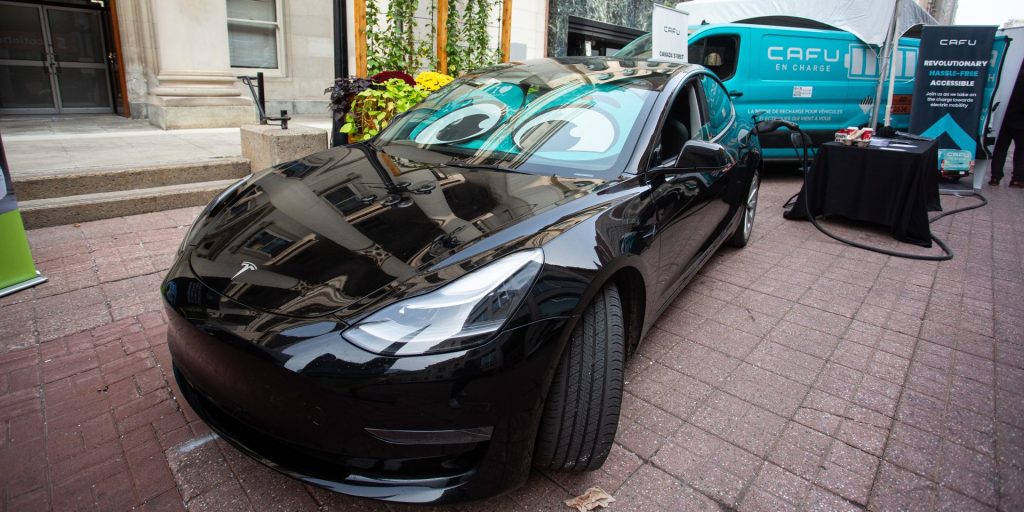
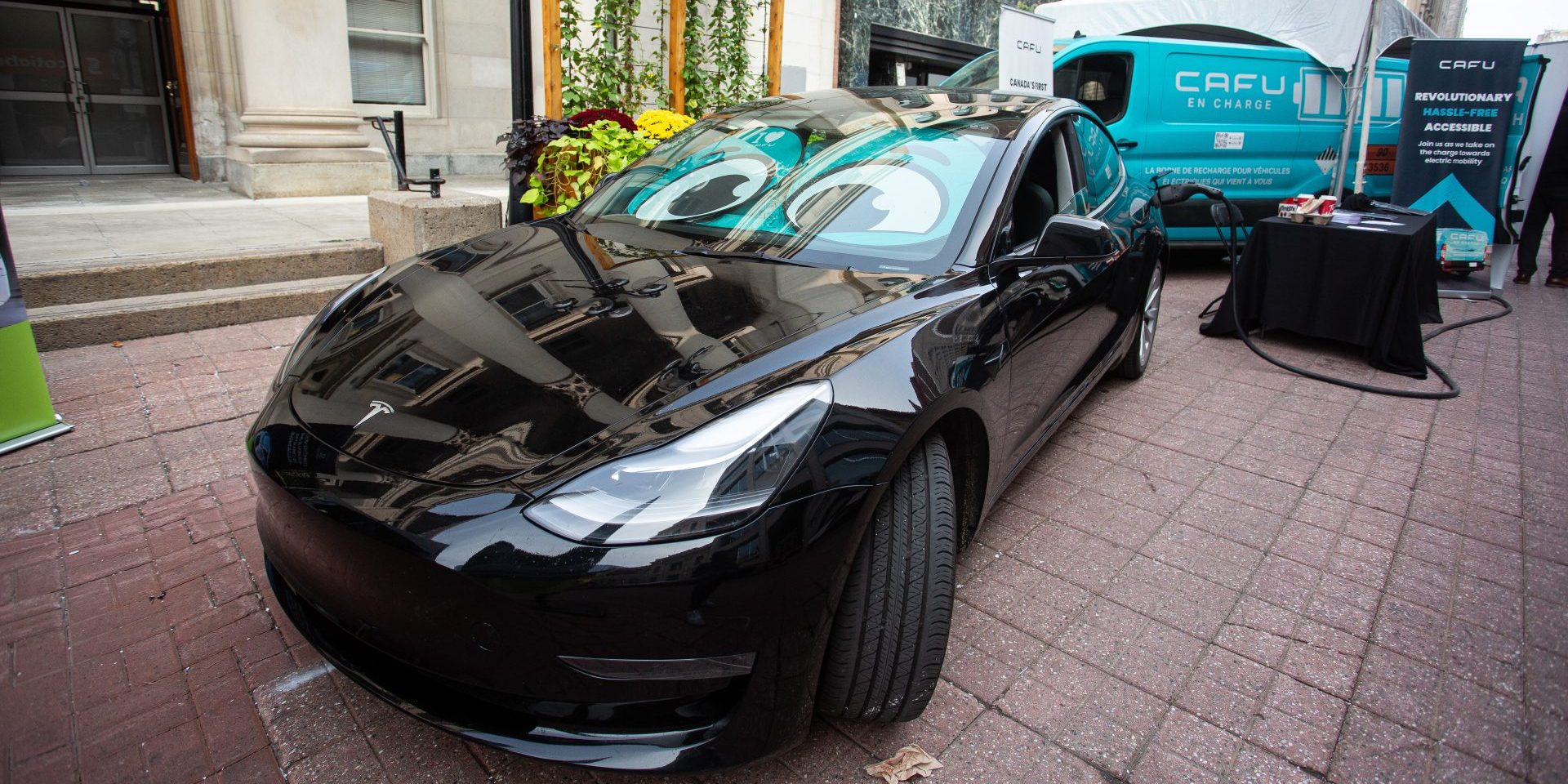
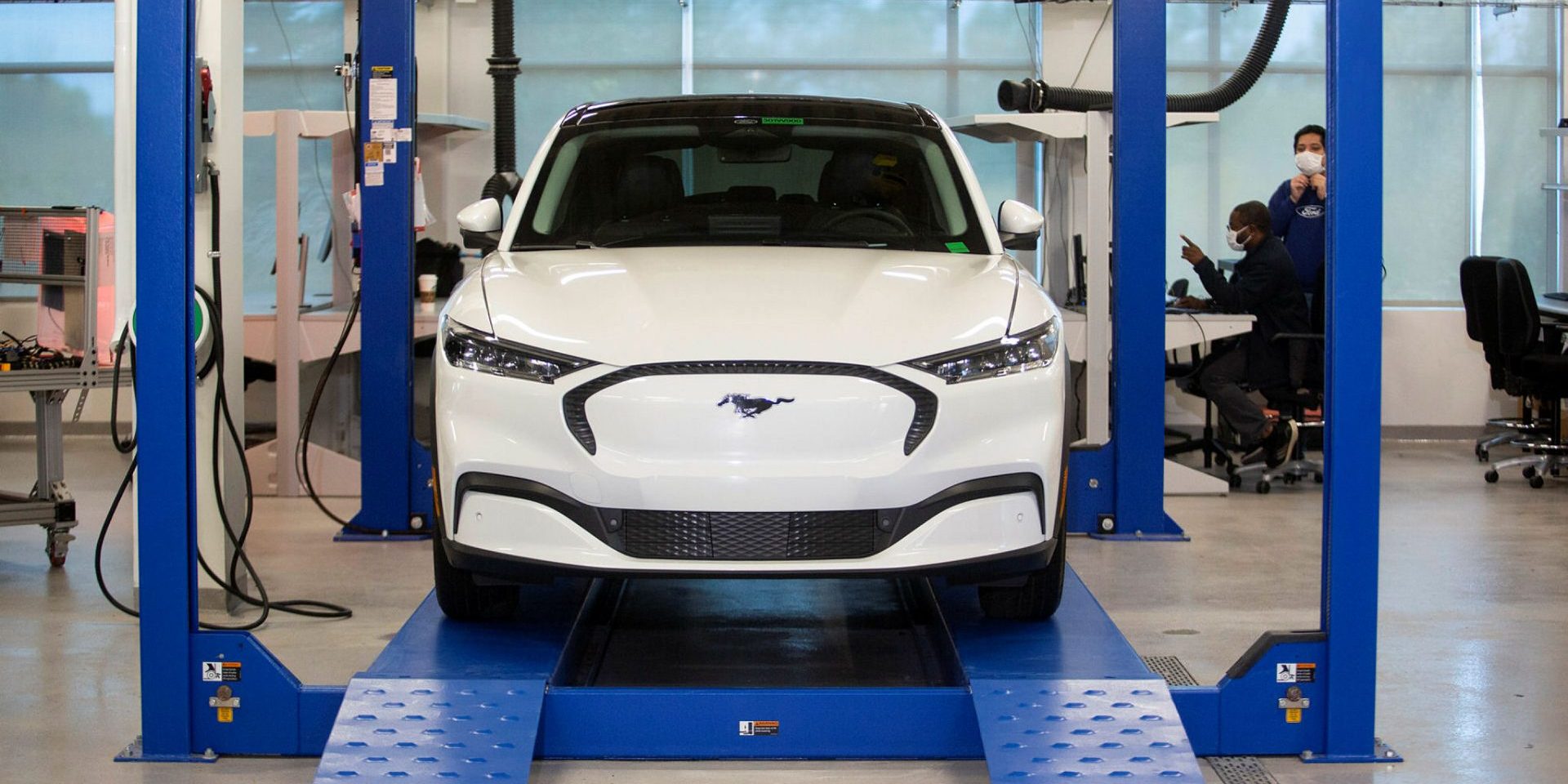
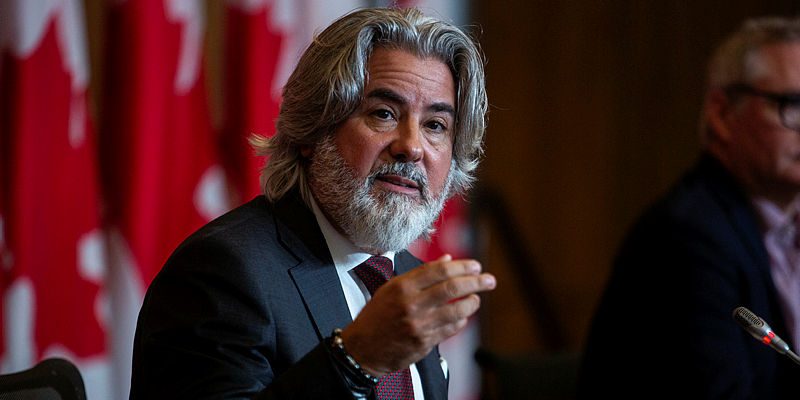
Canada’s auto sector is now undergoing one of its most significant transformations driven by three converging forces: electrification, digitalization, and geoeconomics, write David Abonyi and George Abonyi. The Hill Times photograph by Andrew Meade
Strategy carries higher risks when economic, technological, geopolitical shocks are more varied, arrive faster, spread wider, and intersect more than before.
Strategy carries higher risks when economic, technological, geopolitical shocks are more varied, arrive faster, spread wider, and intersect more than before.
By entering your email address you consent to receive email from The Hill Times containing news, analysis, updates and offers. You may unsubscribe at any time. See our privacy policy
By connecting the dots between youth employment, transportation innovation, and climate action, we can design policies that deliver a more resilient, inclusive economy.
By connecting the dots between youth employment, transportation innovation, and climate action, we can design policies that deliver a more resilient, inclusive economy.
By connecting the dots between youth employment, transportation innovation, and climate action, we can design policies that deliver a more resilient, inclusive economy.
Young people today are not only ready to work—they want to work for a purpose, writes Sen. Farah Mohamed. Pexels photograph by Markus Spiske
Speed, throughput, and the removal of constraints need to be made the cardinal organizing principles of Canada’s transportation and goods-moving policy.
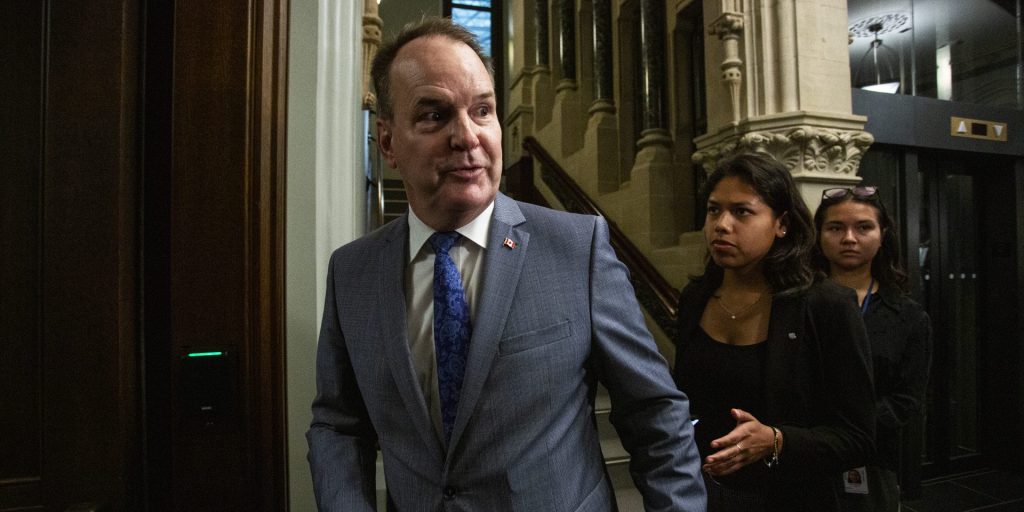
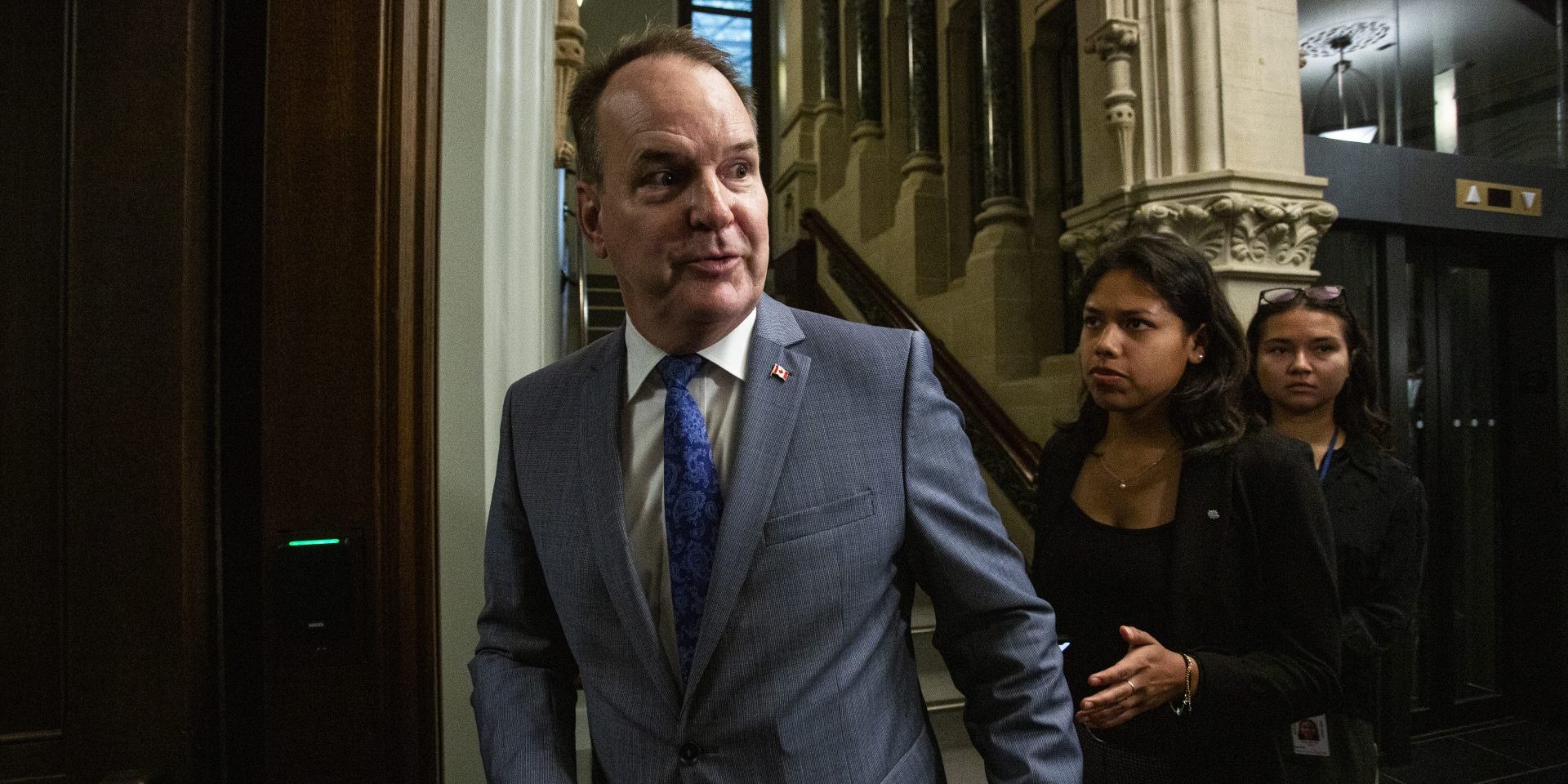
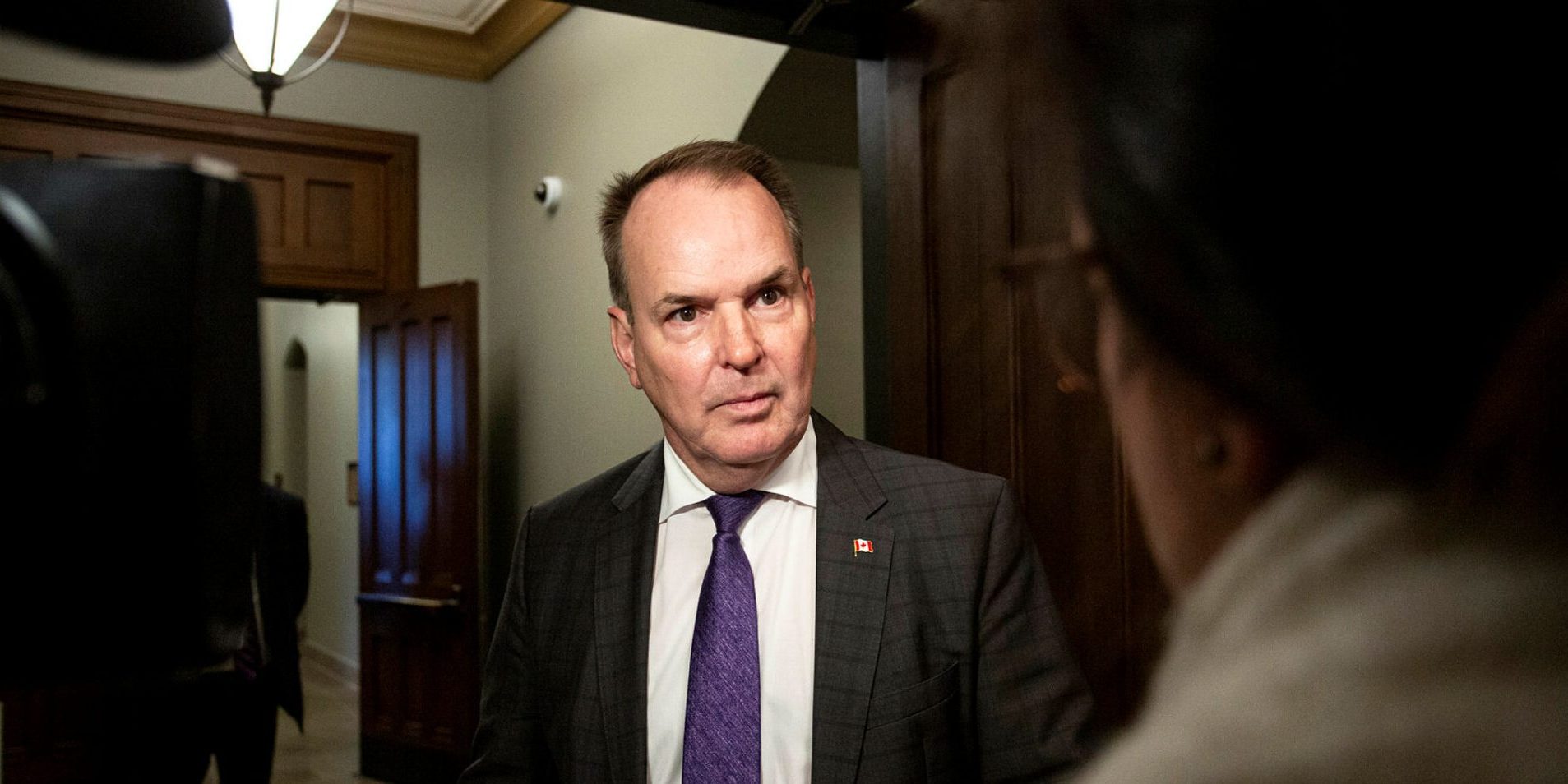
Transport Minister Steven MacKinnon. We need to treat transportation for what it actually is: an integral part of logistics, writes John Coleman. The Hill Times photograph by Andrew Meade
Speed, throughput, and the removal of constraints need to be made the cardinal organizing principles of Canada’s transportation and goods-moving policy.
Speed, throughput, and the removal of constraints need to be made the cardinal organizing principles of Canada’s transportation and goods-moving policy.
Transport Minister Steven MacKinnon. We need to treat transportation for what it actually is: an integral part of logistics, writes John Coleman. The Hill Times photograph by Andrew Meade
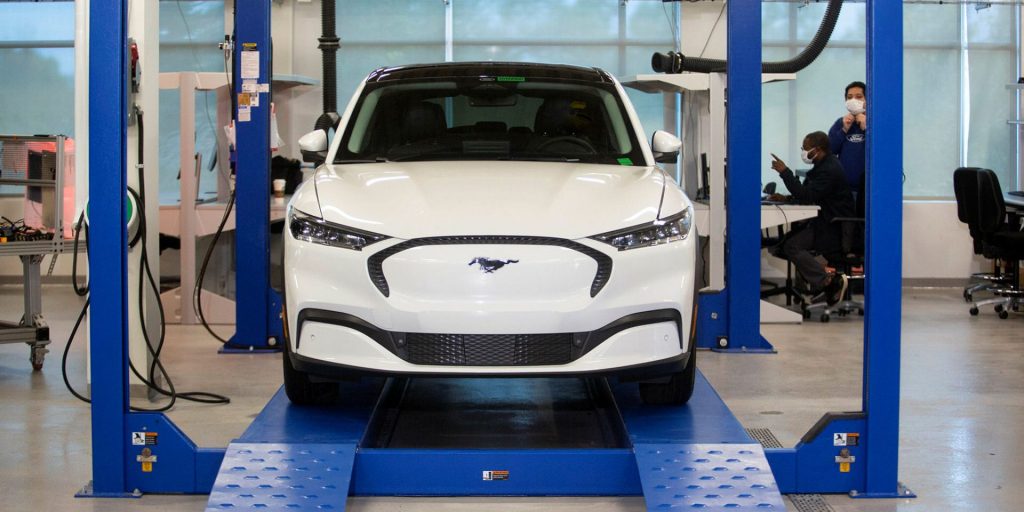
Electric vehicles draw on the sectors where Canada already has natural advantages: critical minerals, battery components, vehicle assembly, and maintenance.
If Canada wants to protect and grow auto jobs, we need to build the market that will define the next generation of manufacturing, write Adam Thorn and Megan Gordon. The Hill Times photograph by Andrew Meade
Electric vehicles draw on the sectors where Canada already has natural advantages: critical minerals, battery components, vehicle assembly, and maintenance.
Electric vehicles draw on the sectors where Canada already has natural advantages: critical minerals, battery components, vehicle assembly, and maintenance.
If Canada wants to protect and grow auto jobs, we need to build the market that will define the next generation of manufacturing, write Adam Thorn and Megan Gordon. The Hill Times photograph by Andrew Meade
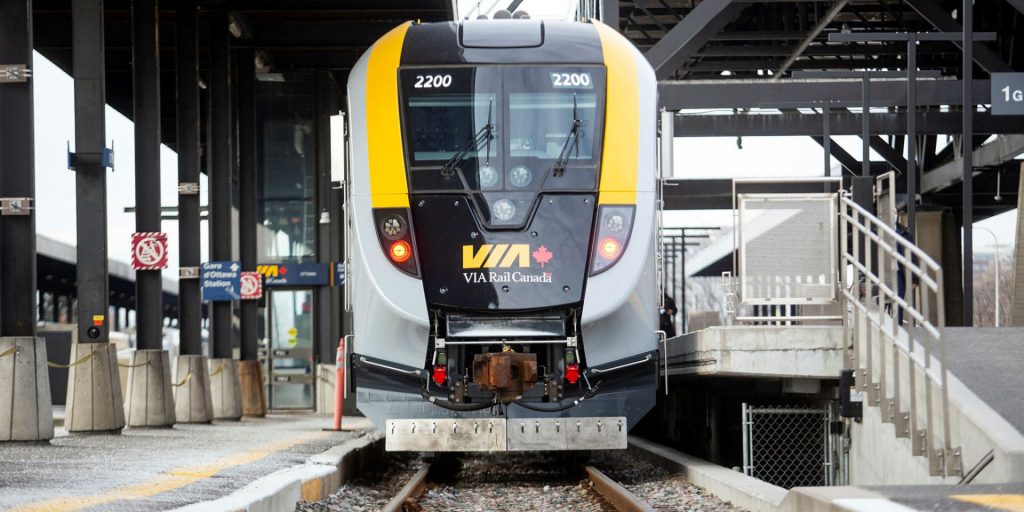
Alto high-speed rail represents a sweet spot across much-needed transport modernization, and an opportunity for broader economic and social transformation.
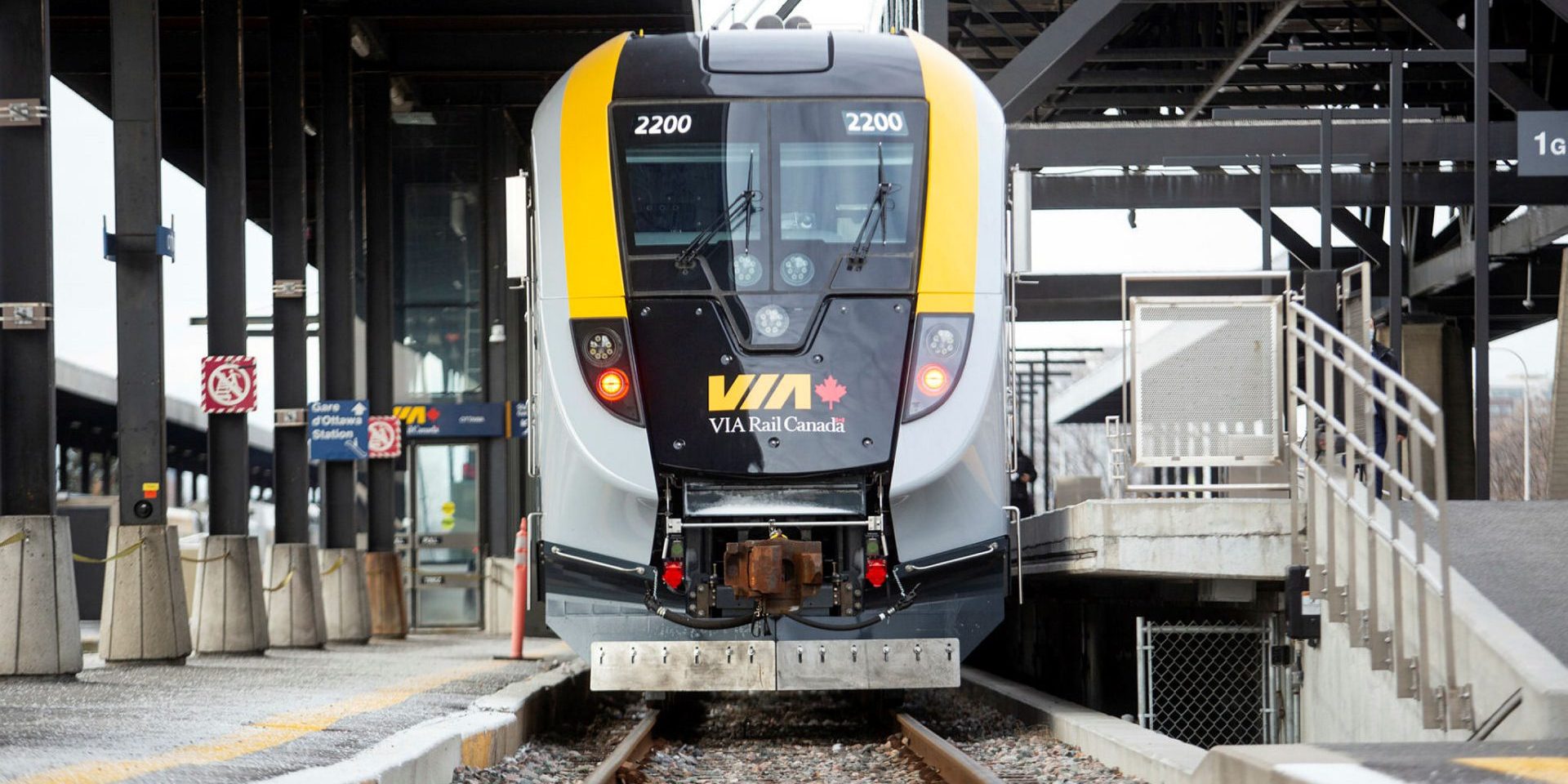
Existing congestion on the Via Rail line indicates that demand for services already exceeds capacity, write Tasnim Fariha and David Jones. The Hill Times photograph by Andrew Meade
Alto high-speed rail represents a sweet spot across much-needed transport modernization, and an opportunity for broader economic and social transformation.
Alto high-speed rail represents a sweet spot across much-needed transport modernization, and an opportunity for broader economic and social transformation.
Existing congestion on the Via Rail line indicates that demand for services already exceeds capacity, write Tasnim Fariha and David Jones. The Hill Times photograph by Andrew Meade
The Nov. 4 budget announced $5-billion towards a Trade Diversification Corridors Fund intended to strengthen trade corridors across ports, rail, and roads; and $1-billion
Transport Minister Steven MacKinnon said that a total of $6-billion in the federal budget towards trade and transportation infrastructure will 'help Canadian businesses get their goods to new markets,' in a Nov. 21 Transport Canada press release. The Hill Times photograph by Andrew Meade
The Nov. 4 budget announced $5-billion towards a Trade Diversification Corridors Fund intended to strengthen trade corridors across ports, rail, and roads; and $1-billion
The Nov. 4 budget announced $5-billion towards a Trade Diversification Corridors Fund intended to strengthen trade corridors across ports, rail, and roads; and $1-billion
Transport Minister Steven MacKinnon said that a total of $6-billion in the federal budget towards trade and transportation infrastructure will 'help Canadian businesses get their goods to new markets,' in a Nov. 21 Transport Canada press release. The Hill Times photograph by Andrew Meade
In peer countries, air infrastructure is viewed as a national economic asset worthy of major investment from government or public-private partnerships. Why shouldn’t Canadians
Transport Minister Pablo Rodriguez. Canadians have too long paid the cost of outdated government policy when it comes to investment in air travel infrastructure, and it’s time we started to change things, writes Jeff Morrison. The Hill Times photograph by Andrew Meade
In peer countries, air infrastructure is viewed as a national economic asset worthy of major investment from government or public-private partnerships. Why shouldn’t Canadians
In peer countries, air infrastructure is viewed as a national economic asset worthy of major investment from government or public-private partnerships. Why shouldn’t Canadians
Transport Minister Pablo Rodriguez. Canadians have too long paid the cost of outdated government policy when it comes to investment in air travel infrastructure, and it’s time we started to change things, writes Jeff Morrison. The Hill Times photograph by Andrew Meade
Much of the media coverage reflected only the airline's view. Balanced reporting of Aircraft Mechanics Fraternal Association’s labour action was glaringly absent.
The satisfactory outcome of the recent strike action for both the union and WestJet affirms that a free-market economy remains alive and well in Canada, writes Aircraft Mechanics Fraternal Association representative Ian Evershed. Photographs courtesy of Wikimedia Commons
Much of the media coverage reflected only the airline's view. Balanced reporting of Aircraft Mechanics Fraternal Association’s labour action was glaringly absent.
Much of the media coverage reflected only the airline's view. Balanced reporting of Aircraft Mechanics Fraternal Association’s labour action was glaringly absent.
The satisfactory outcome of the recent strike action for both the union and WestJet affirms that a free-market economy remains alive and well in Canada, writes Aircraft Mechanics Fraternal Association representative Ian Evershed. Photographs courtesy of Wikimedia Commons
Working conditions and travel conditions are intricately linked. Given the current state of job quality in the industry, it should be no surprise that travellers are facing subpar conditions, writes Lana Payne. Unsplash photograph by Marco López
By failing to improve working conditions, airlines, airports, and government are guaranteeing that the industry cannot meet the needs of passengers.
Working conditions and travel conditions are intricately linked. Given the current state of job quality in the industry, it should be no surprise that travellers are facing subpar conditions, writes Lana Payne. Unsplash photograph by Marco López
Aggressive plans to meet the post-pandemic moment put aviation’s partners in difficult situations, attempting on many occasions to handle volumes beyond the capacity of
Transport Minister Pablo Rodriguez speaks with reporters before the cabinet meeting in West Block on Feb. 13. Aviation seems to have a human resource sizing issue as well as a competitive behaviour paradigm that need to be addressed with government support, writes John Gradek. The Hill Times photograph by Andrew Meade
Aggressive plans to meet the post-pandemic moment put aviation’s partners in difficult situations, attempting on many occasions to handle volumes beyond the capacity of
Aggressive plans to meet the post-pandemic moment put aviation’s partners in difficult situations, attempting on many occasions to handle volumes beyond the capacity of
Transport Minister Pablo Rodriguez speaks with reporters before the cabinet meeting in West Block on Feb. 13. Aviation seems to have a human resource sizing issue as well as a competitive behaviour paradigm that need to be addressed with government support, writes John Gradek. The Hill Times photograph by Andrew Meade
Canada’s aerospace industry can be our ticket to greater economic stability, but we need a strategy to better align policies, investments, and opportunities, writes Mike Mueller. Unsplash photograph by John McArthur
Already contributing to $27-billion in GDP in 2022, Canada’s aerospace industry has the potential to be a major engine of the economy.
Canada’s aerospace industry can be our ticket to greater economic stability, but we need a strategy to better align policies, investments, and opportunities, writes Mike Mueller. Unsplash photograph by John McArthur
Aviation’s commitment to sustainability reflects the larger global imperative to fight climate change and prioritize sustainable development, writes Suzanne Kearns. Unsplash photograph by David Kovalenko
The future of Canada’s aviation industry hinges on integrating sustainability into every facet of our operations.
Aviation’s commitment to sustainability reflects the larger global imperative to fight climate change and prioritize sustainable development, writes Suzanne Kearns. Unsplash photograph by David Kovalenko
Industry Minister François-Philippe Champagne. The best way to attract foreign investment is to create a fertile environment for research and a vibrant post-secondary education sector such that companies investing in Canada can be confident that they will be able to find highly qualified employees, writes David Zingg. The Hill Times photograph by Andrew Meade
Government funding currently places far too little emphasis on the societal benefits of aviation, and too much on its perceived economic benefits.
Industry Minister François-Philippe Champagne. The best way to attract foreign investment is to create a fertile environment for research and a vibrant post-secondary education sector such that companies investing in Canada can be confident that they will be able to find highly qualified employees, writes David Zingg. The Hill Times photograph by Andrew Meade
Prioritizing connecting transportation projects, investing in tech that streamlines the passenger experience, and cutting red tape would give industry the lift it needs to
Transport Minister Pablo Rodriguez makes an announcement at the Canadian North airlines hanger in Ottawa on Aug. 9, 2023. The Hill Times photograph by Andrew Meade
Prioritizing connecting transportation projects, investing in tech that streamlines the passenger experience, and cutting red tape would give industry the lift it needs to
Prioritizing connecting transportation projects, investing in tech that streamlines the passenger experience, and cutting red tape would give industry the lift it needs to
Transport Minister Pablo Rodriguez makes an announcement at the Canadian North airlines hanger in Ottawa on Aug. 9, 2023. The Hill Times photograph by Andrew Meade
Transport Minister Pablo Rodriguez and the federal government should recognize that air travel in Canada shouldn't be seen as a 'cash cow,' says National Airlines Council of Canada CEO Jeff Morrison. The Hill Times photograph by Andrew Meade
Lynx Air, which closed its doors in February, was the latest in a string of low-cost carriers to shutter in recent years, including CanJet
Transport Minister Pablo Rodriguez and the federal government should recognize that air travel in Canada shouldn't be seen as a 'cash cow,' says National Airlines Council of Canada CEO Jeff Morrison. The Hill Times photograph by Andrew Meade
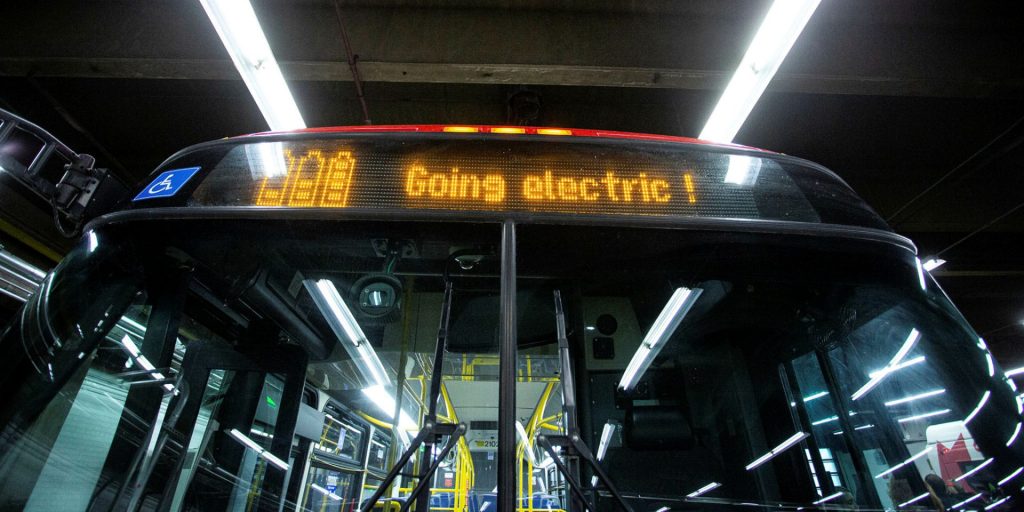
An electric bus is pictured at the OC Transpo garage on St. Laurent Boulevard in Ottawa on Jan. 19, 2023. To decarbonize successfully, we can’t avoid the hard discussions around battery fires, battery waste, and increased battery prices with global supply constraints, writes Josipa Petrunic. The Hill Times photograph by Andrew Meade
Ignoring the issue may not only come at the expense of public safety, but also that of the public perception to act on climate
An electric bus is pictured at the OC Transpo garage on St. Laurent Boulevard in Ottawa on Jan. 19, 2023. To decarbonize successfully, we can’t avoid the hard discussions around battery fires, battery waste, and increased battery prices with global supply constraints, writes Josipa Petrunic. The Hill Times photograph by Andrew Meade
Environment Minister Steven Guilbeault announced Canada's Electric Vehicle Availability Standard on Dec. 19, 2023, with a national target of 100 per cent zero-emission vehicle sales by 2035. The Hill Times photograph by Andrew Meade
Government policies can create the conditions for robust infrastructure and industry for EV battery recycling and repurposing.
Environment Minister Steven Guilbeault announced Canada's Electric Vehicle Availability Standard on Dec. 19, 2023, with a national target of 100 per cent zero-emission vehicle sales by 2035. The Hill Times photograph by Andrew Meade
The Canadian airport model works great in normal economic conditions. But there are still a couple of things Ottawa can do to help Canada’s airports modernize their cargo hubs to meet post-pandemic needs, writes Monette Pasher. Image courtesy of Pixabay
Nobody wants to talk about supply chains in 2024. But if we don’t invest in them, that’s exactly what we’ll risk.
The Canadian airport model works great in normal economic conditions. But there are still a couple of things Ottawa can do to help Canada’s airports modernize their cargo hubs to meet post-pandemic needs, writes Monette Pasher. Image courtesy of Pixabay