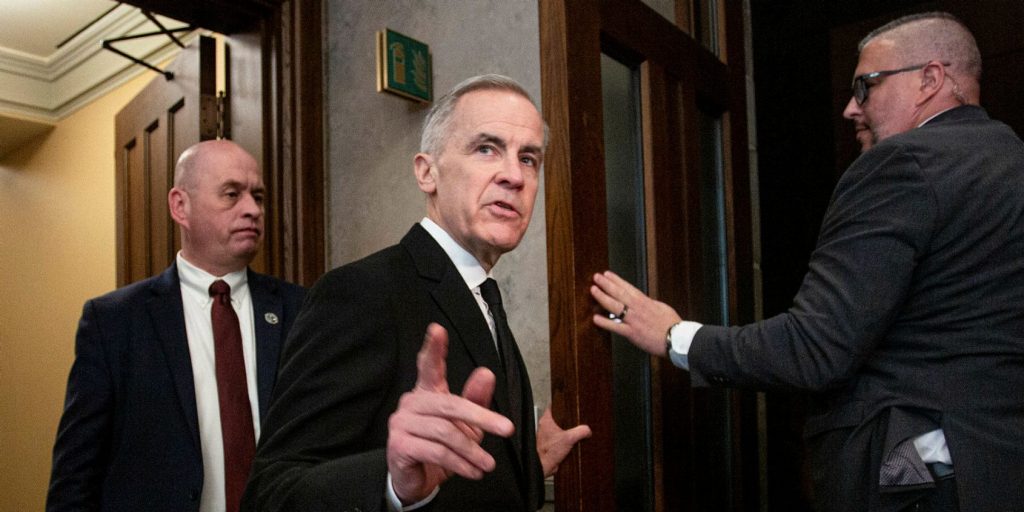
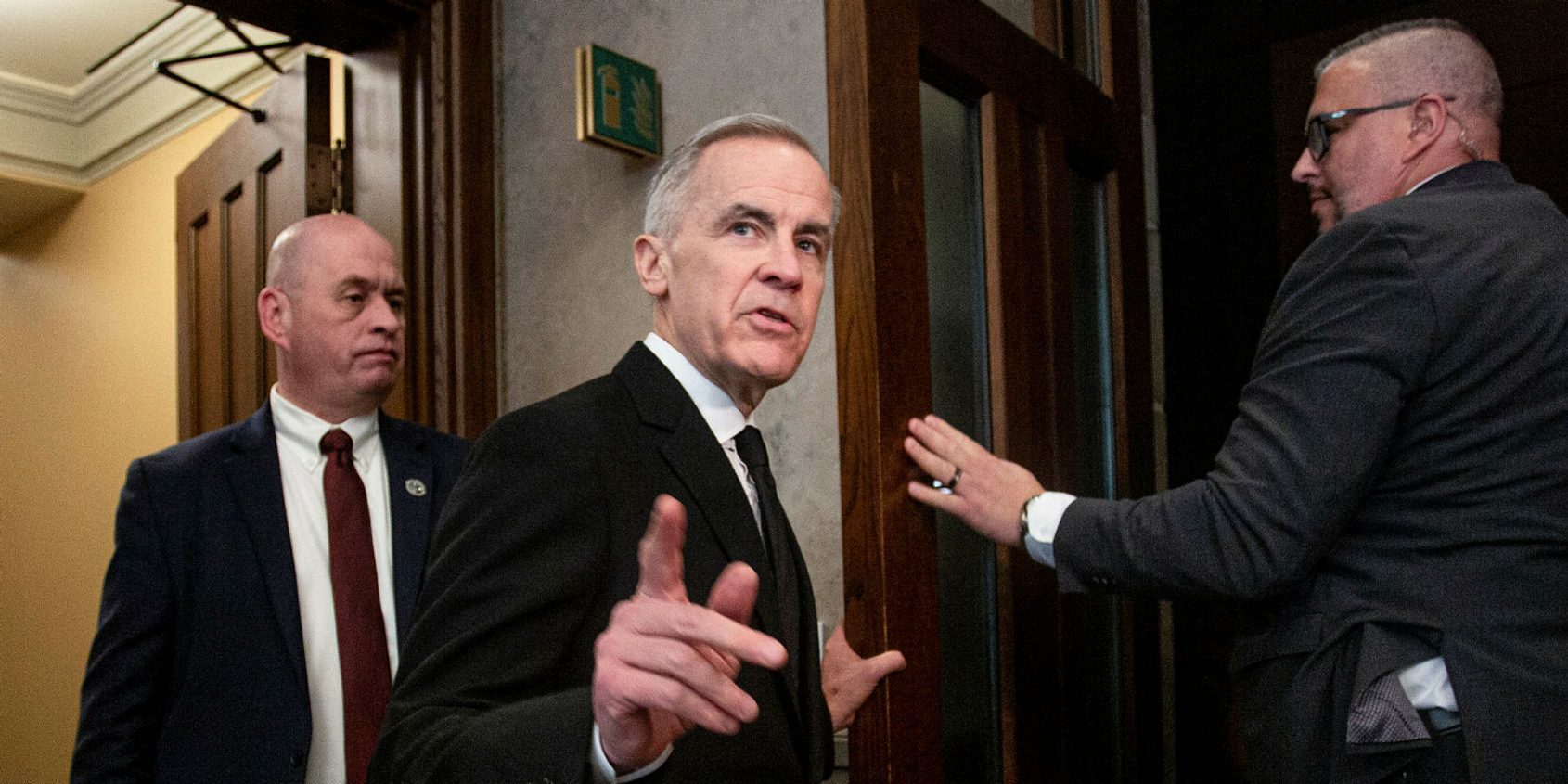
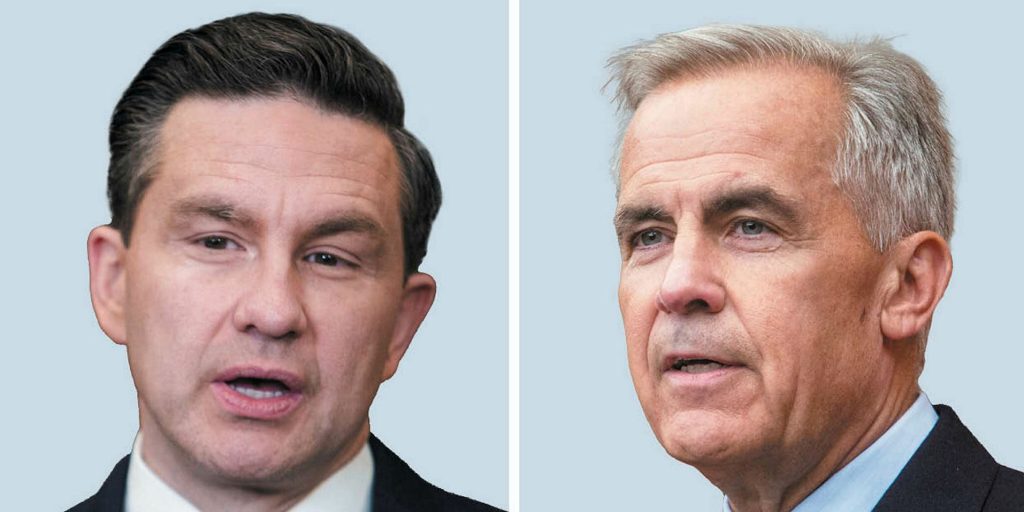
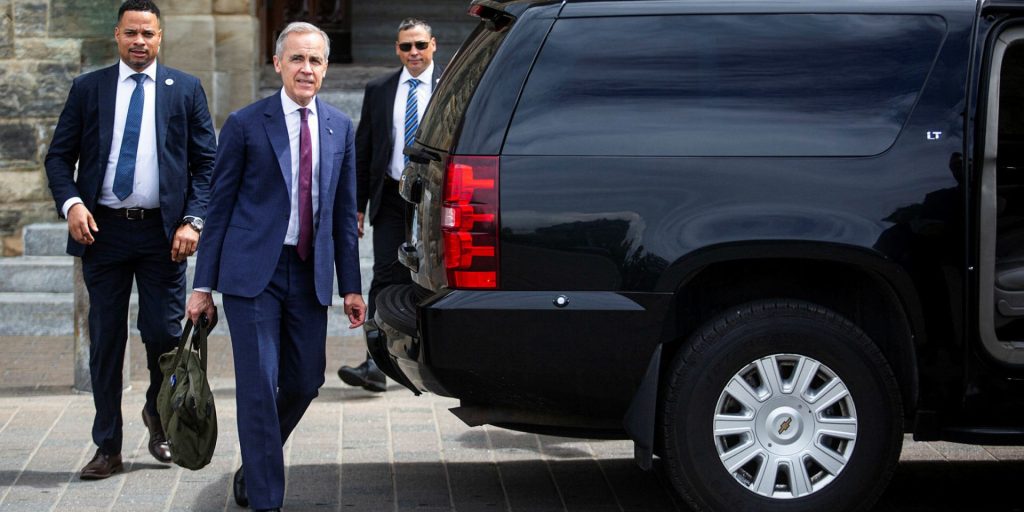
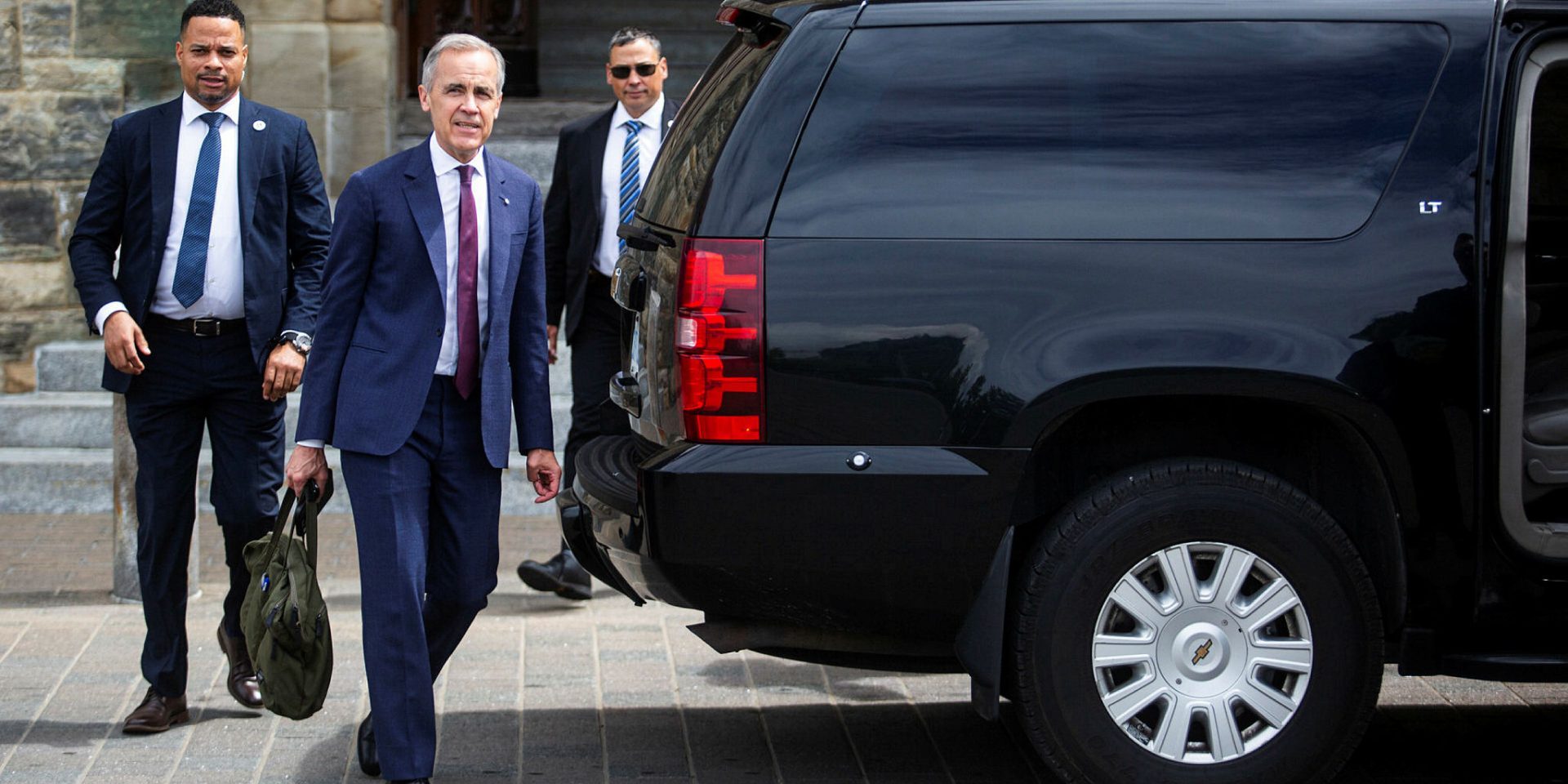
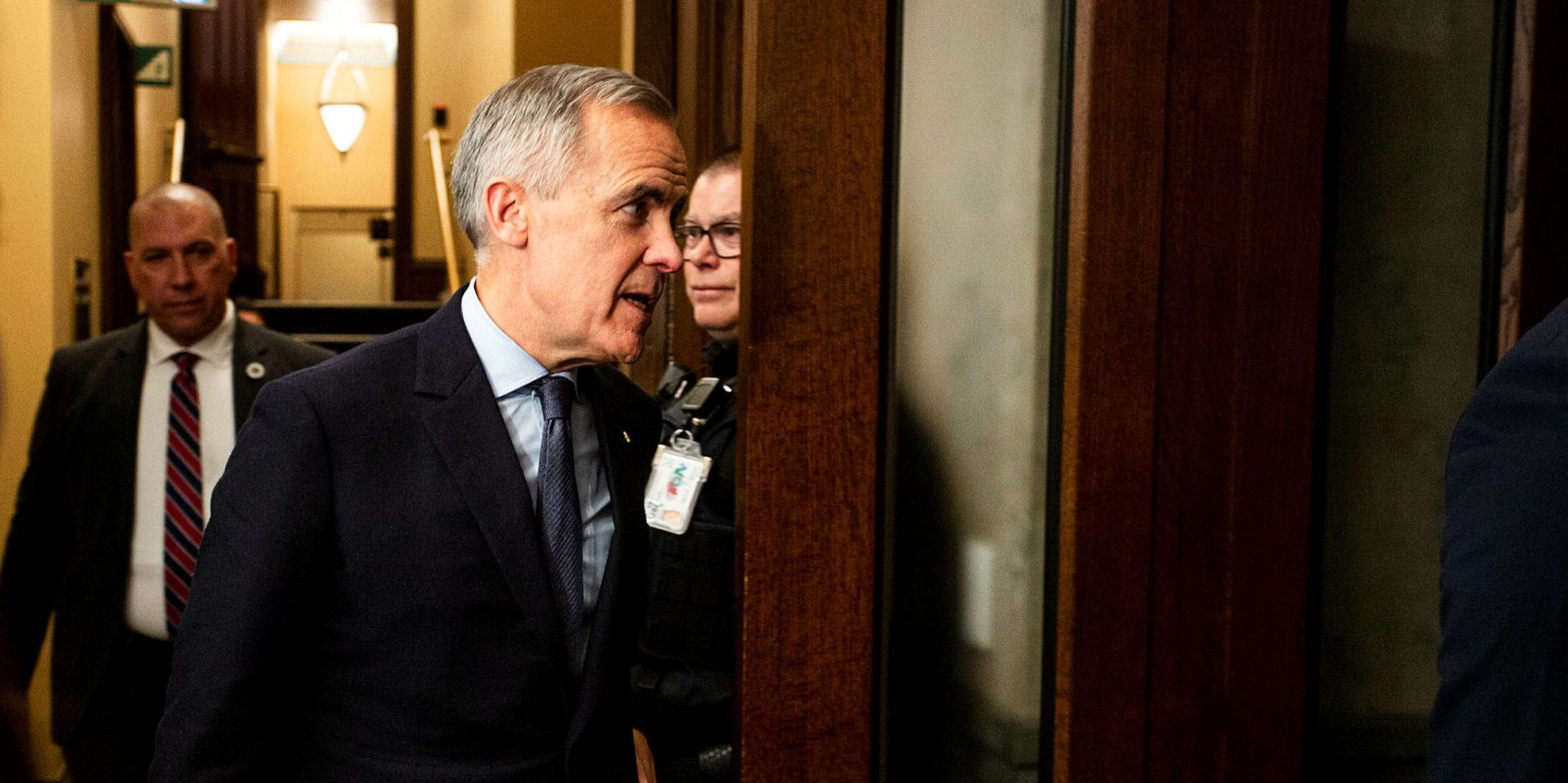
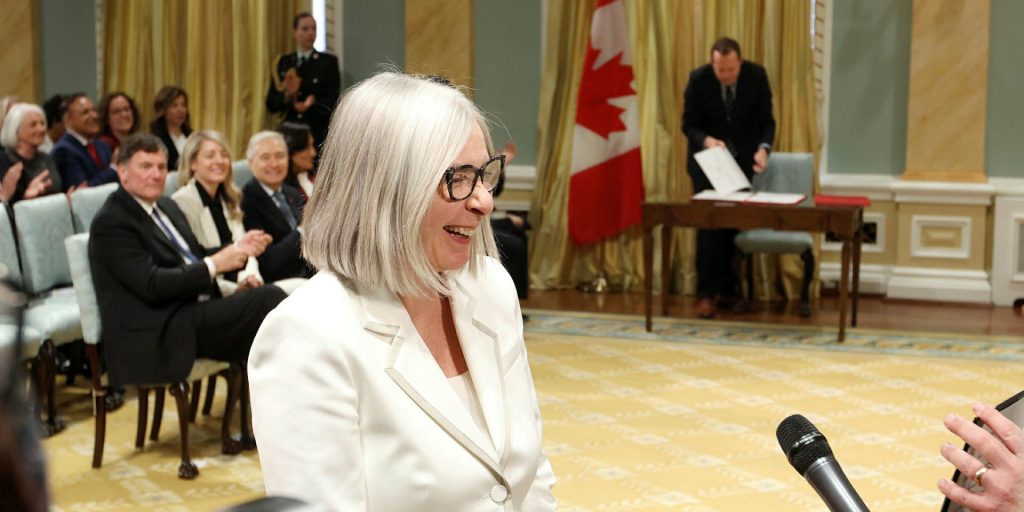
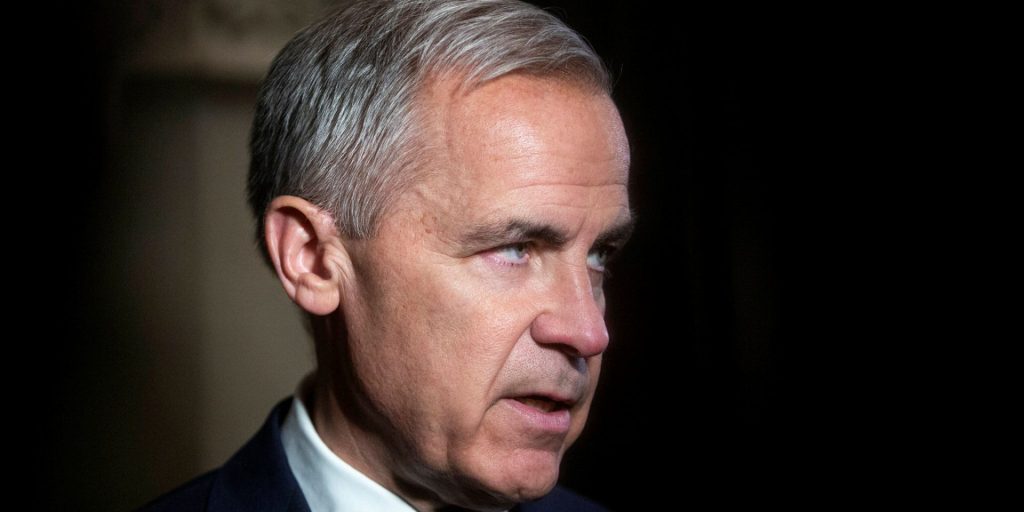
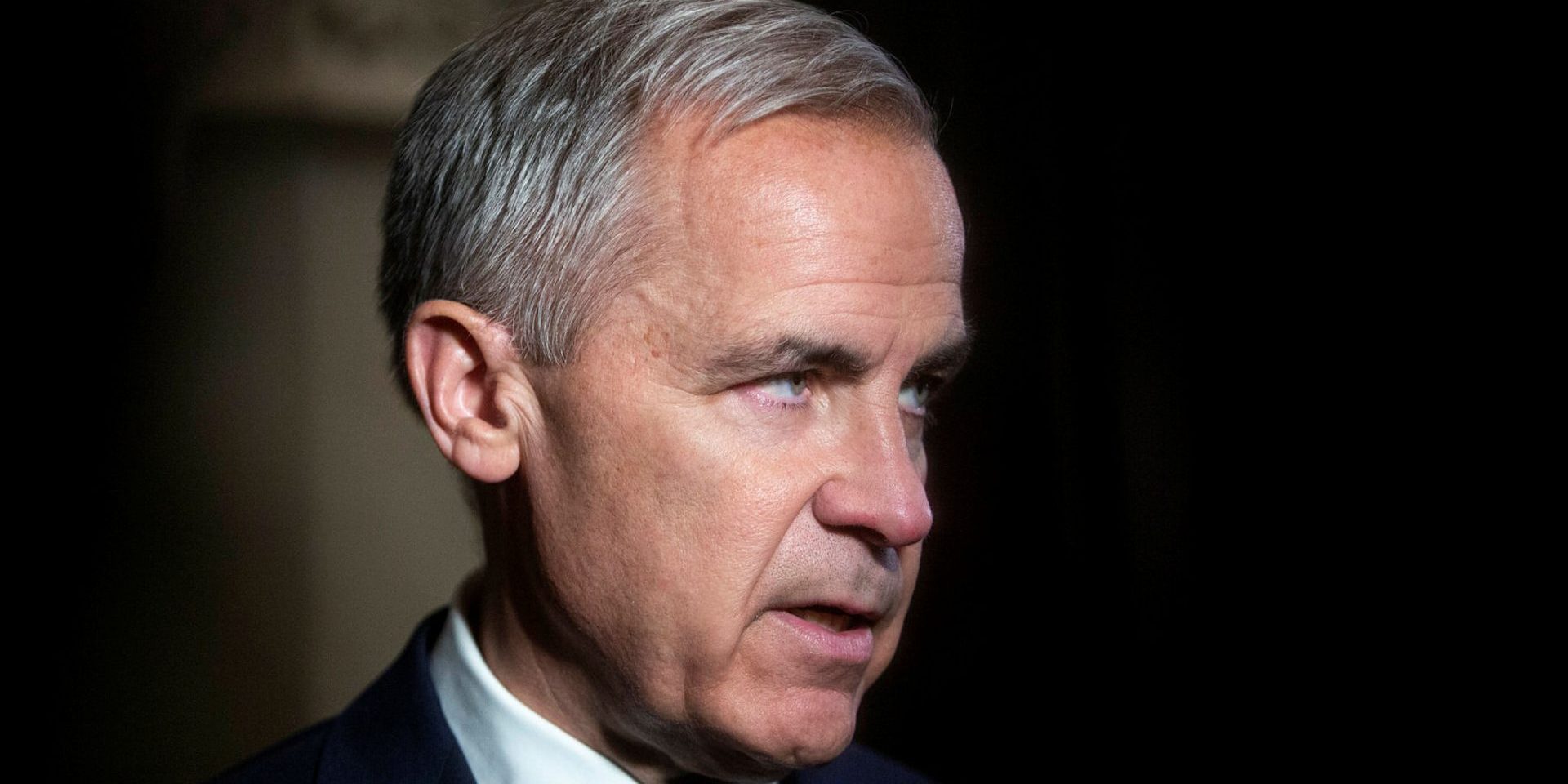
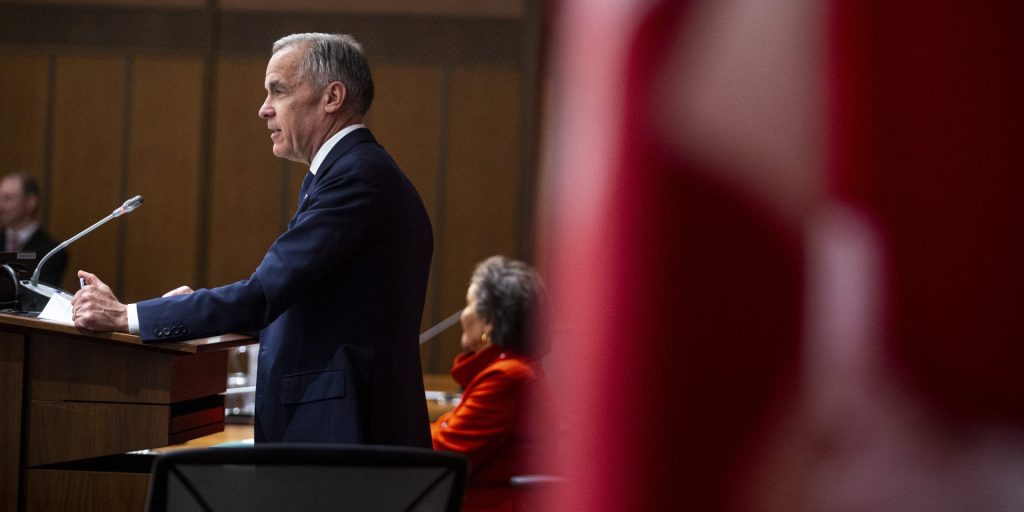
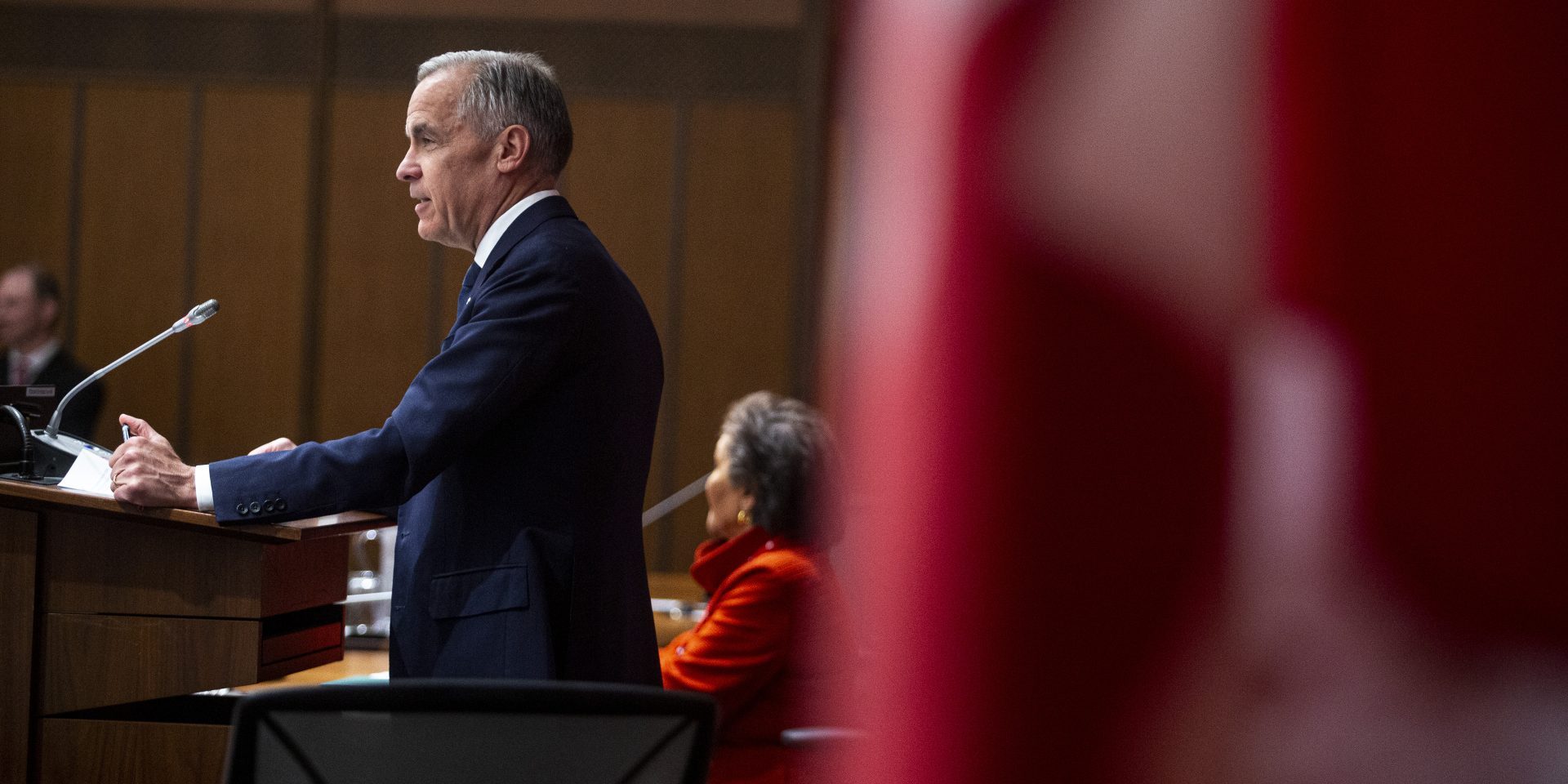
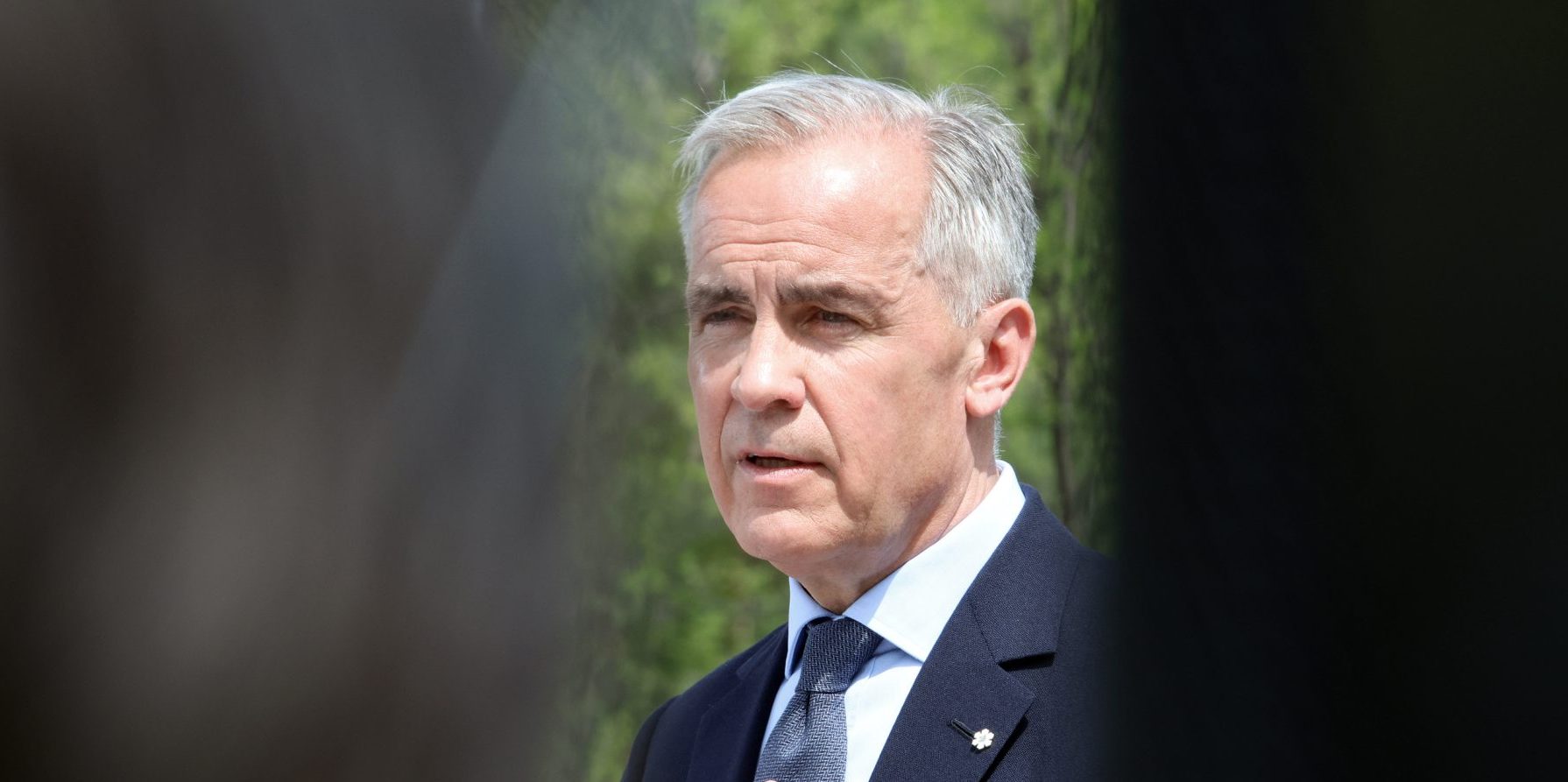
Although Prime Minister Mark Carney's government has embarked on a wide range of measures to transform the economy, including major nation-building projects and commitments on AI and data sovereignty, more changes are needed, writes David Crane. The Hill Times photograph by Andrew Meade
We are living through one of those periods in human history where change and the tensions from change can overwhelm. Coping with change—with creative destruction—can be hugely rewarding. But getting policy right is the challenge.
We are living through one of those periods in human history where change and the tensions from change can overwhelm. Coping with change—with creative destruction—can be hugely rewarding. But getting policy right is the challenge.
By entering your email address you consent to receive email from The Hill Times containing news, analysis, updates and offers. You may unsubscribe at any time. See our privacy policy
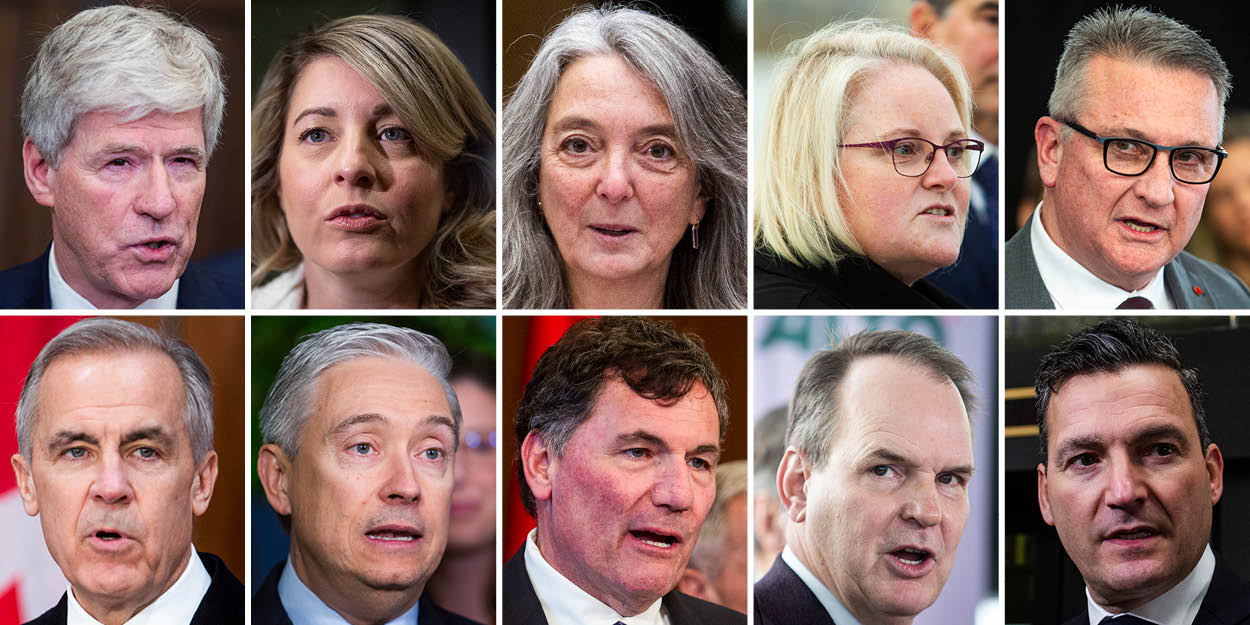
The top 10 most-lobbied cabinet ministers in 2025: Tim Hodgson, top left, Mélanie Joly, Julie Dabrusin, Jill McKnight, and Heath MacDonald; Mark Carney, bottom left, François-Philippe Champagne, Dominic LeBlanc, Steven MacKinnon, and Evan Solomon. The Hill Times photographs by Andrew Meade
More than a third (33.9 per cent) of all federal advocacy in 2025 was about economic development, setting a new record in annual lobbying.
The top 10 most-lobbied cabinet ministers in 2025: Tim Hodgson, top left, Mélanie Joly, Julie Dabrusin, Jill McKnight, and Heath MacDonald; Mark Carney, bottom left, François-Philippe Champagne, Dominic LeBlanc, Steven MacKinnon, and Evan Solomon. The Hill Times photographs by Andrew Meade
The federal government lacks a data-driven method for identifying how workers in legacy sectors can transition into clean-economy jobs and where the real gaps
Without a foundation, like the C.D. Howe Institute’s Matching Skills model, Canada will continue to operate with blind spots that leave workers uncertain and employers short of talent, writes Lin Al-Akkad. Unsplash photograph by Emmanuel Ikwuegbu
The federal government lacks a data-driven method for identifying how workers in legacy sectors can transition into clean-economy jobs and where the real gaps
The federal government lacks a data-driven method for identifying how workers in legacy sectors can transition into clean-economy jobs and where the real gaps
Without a foundation, like the C.D. Howe Institute’s Matching Skills model, Canada will continue to operate with blind spots that leave workers uncertain and employers short of talent, writes Lin Al-Akkad. Unsplash photograph by Emmanuel Ikwuegbu
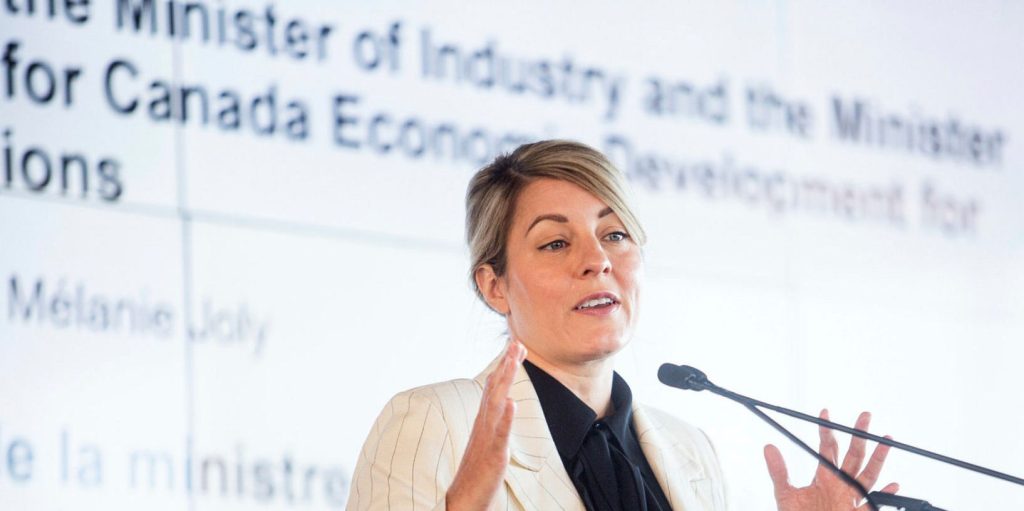
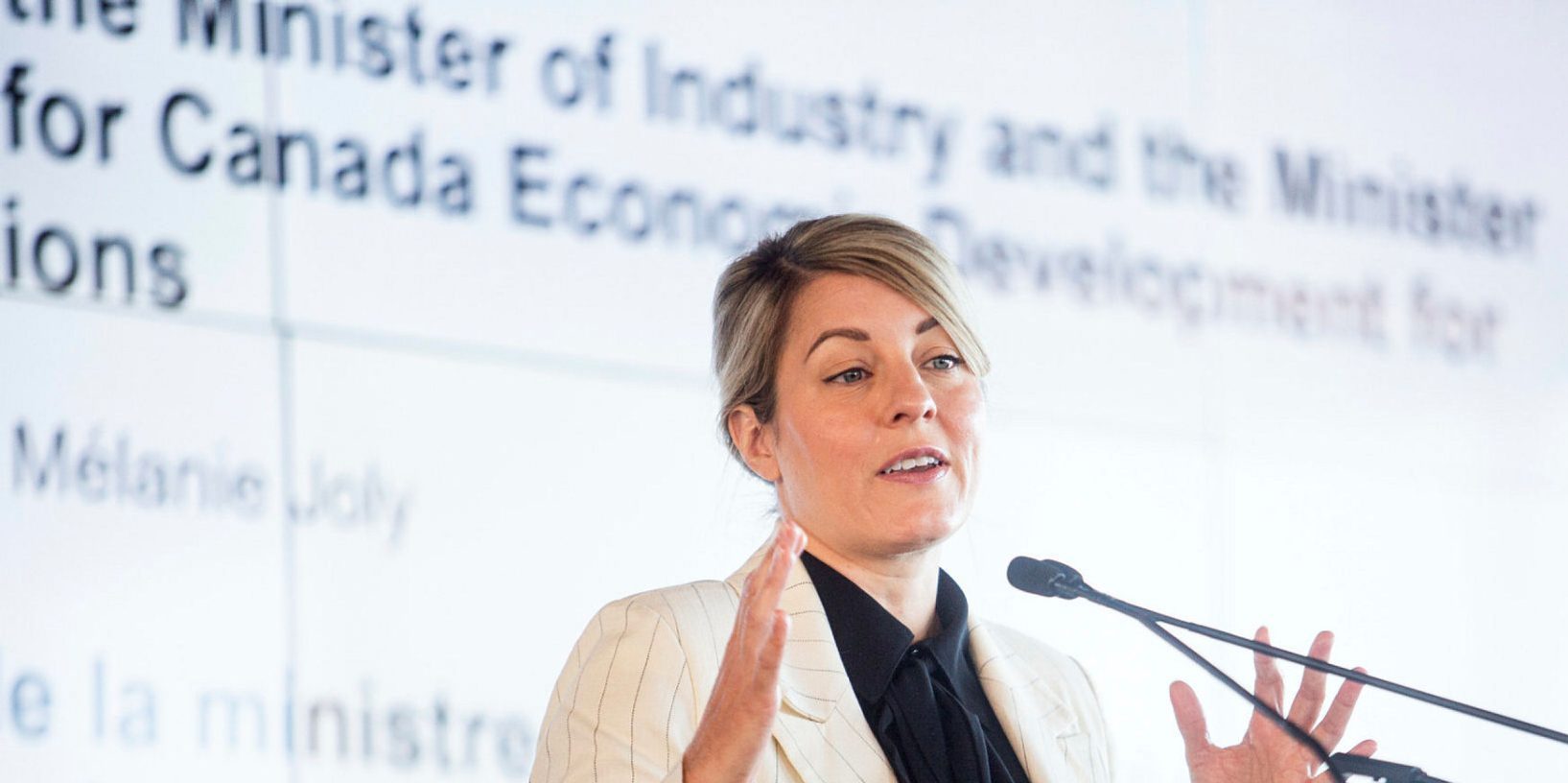
Industry Minister Mélanie Joly speaks at Canada's Competition Summit in Ottawa on Oct. 1, 2025. If Canada is to participate in the auto industry of the future, it should strive to do so through proprietary, and increasingly digital technology of Canadian firms, writes David Crane. The Hill Times photograph by Andrew Meade
Canada is, by far, the U.S. auto industry’s largest export market and the cross-border value chains have worked well for all three countries. So
Industry Minister Mélanie Joly speaks at Canada's Competition Summit in Ottawa on Oct. 1, 2025. If Canada is to participate in the auto industry of the future, it should strive to do so through proprietary, and increasingly digital technology of Canadian firms, writes David Crane. The Hill Times photograph by Andrew Meade
Not only must our government better support women entrepreneurs and the organizations that champion them, but they must also ensure they have a meaningful
Women and Gender Equality Minister Rechie Valdez's government should should better leverage the expertise of women entrepreneurs in economic policy and planning discussions, writes Rosalind Lockyer. The Hill Times photograph by Andrew Meade
Not only must our government better support women entrepreneurs and the organizations that champion them, but they must also ensure they have a meaningful
Not only must our government better support women entrepreneurs and the organizations that champion them, but they must also ensure they have a meaningful
Women and Gender Equality Minister Rechie Valdez's government should should better leverage the expertise of women entrepreneurs in economic policy and planning discussions, writes Rosalind Lockyer. The Hill Times photograph by Andrew Meade
Prime Minister Mark Carney’s government tabled much-anticipated legislation on June 6 intended to remove interprovincial trade barriers, ease labour mobility, and help expedite major
Prime Minister Mark Carney, pictured June 5, 2025, on the Hill. He and the country’s premiers gathered for a first ministers' meeting in Saskatoon on June 2, which included discussions about removing internal trade barriers. The Hill Times photograph by Andrew Meade
Prime Minister Mark Carney’s government tabled much-anticipated legislation on June 6 intended to remove interprovincial trade barriers, ease labour mobility, and help expedite major
Prime Minister Mark Carney’s government tabled much-anticipated legislation on June 6 intended to remove interprovincial trade barriers, ease labour mobility, and help expedite major
Prime Minister Mark Carney, pictured June 5, 2025, on the Hill. He and the country’s premiers gathered for a first ministers' meeting in Saskatoon on June 2, which included discussions about removing internal trade barriers. The Hill Times photograph by Andrew Meade
Only through deeper cooperation and integration can Canada fully achieve its economic potential, writes Moshe Lander, a senior lecturer in economics at Concordia University. Photograph courtesy of Koi Roylers, Pixabay.com
A modern economy needs shared standards, interoperable infrastructure, and a workforce free to move where it is most needed.
Only through deeper cooperation and integration can Canada fully achieve its economic potential, writes Moshe Lander, a senior lecturer in economics at Concordia University. Photograph courtesy of Koi Roylers, Pixabay.com
Trade barriers impeding supply chains and slowing down economic trade include: aligning and improving winter road maintenance standards; increased access to rest areas for
To truly increase efficiencies throughout the supply chain, and trucking specifically, the prime minister will need the commitment and political will of the premiers, the ministers of Transportation and mayors, writes Stephen Laskowski, president of the Canadian Trucking Alliance. Photograph courtesy of Tung Lam, Pixabay.com
Trade barriers impeding supply chains and slowing down economic trade include: aligning and improving winter road maintenance standards; increased access to rest areas for
Trade barriers impeding supply chains and slowing down economic trade include: aligning and improving winter road maintenance standards; increased access to rest areas for
To truly increase efficiencies throughout the supply chain, and trucking specifically, the prime minister will need the commitment and political will of the premiers, the ministers of Transportation and mayors, writes Stephen Laskowski, president of the Canadian Trucking Alliance. Photograph courtesy of Tung Lam, Pixabay.com
Prime Minister Mark Carney has committed to tabling legislation by July 1, 2025, to eliminate all federal barriers to interprovincial trade and labour mobility. The Hill Times photograph by Andrew Meade
Beyond the barriers it directly controls, federal engagement and co-ordination is fundamental to mitigating provincial barriers.
Prime Minister Mark Carney has committed to tabling legislation by July 1, 2025, to eliminate all federal barriers to interprovincial trade and labour mobility. The Hill Times photograph by Andrew Meade
Each province operates under its own building codes, material certification requirements, and procurement policies, which often fail to align with each other.
By harmonizing regulations, improving
labour mobility, and leveraging innovative technologies, Canada can unlock its full
economic potential and build a stronger, more resilient, and better-connected nation, writes Daniel Galle, director of infrastructure policy advancement for Canada with Bentley Systems. Photograph courtesy of Pete Linforth, Pixabay.com
Each province operates under its own building codes, material certification requirements, and procurement policies, which often fail to align with each other.
Each province operates under its own building codes, material certification requirements, and procurement policies, which often fail to align with each other.
By harmonizing regulations, improving
labour mobility, and leveraging innovative technologies, Canada can unlock its full
economic potential and build a stronger, more resilient, and better-connected nation, writes Daniel Galle, director of infrastructure policy advancement for Canada with Bentley Systems. Photograph courtesy of Pete Linforth, Pixabay.com
If Canada is serious about boosting long-term growth, we need to go further, pairing the targeted regulatory cleanup now underway with big-lift reforms and
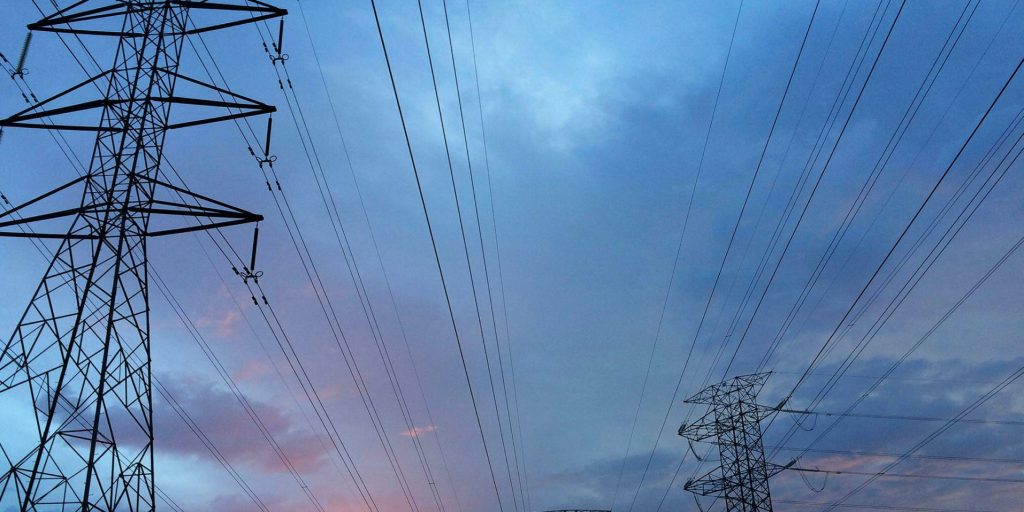
Building east-west electricity interties is one of the priorities for driving real economic growth, writes Dr. Christopher Cotton, Professor of Economics at Queen’s University. Photograph courtesy of Pok Rie, Pexels.com
If Canada is serious about boosting long-term growth, we need to go further, pairing the targeted regulatory cleanup now underway with big-lift reforms and
If Canada is serious about boosting long-term growth, we need to go further, pairing the targeted regulatory cleanup now underway with big-lift reforms and
Building east-west electricity interties is one of the priorities for driving real economic growth, writes Dr. Christopher Cotton, Professor of Economics at Queen’s University. Photograph courtesy of Pok Rie, Pexels.com
Federal Minister of Jobs and Families Patty Hajdu said, 'To build one Canadian economy, we need to make it easier for workers in every province and territory to find good jobs,' in a May 28 Employment and Social Development Canada press release. The Hill Times photograph by Sam Garcia
Lower trade barriers cannot mean lower standards. If we harmonize, aim high or don’t bother.
Federal Minister of Jobs and Families Patty Hajdu said, 'To build one Canadian economy, we need to make it easier for workers in every province and territory to find good jobs,' in a May 28 Employment and Social Development Canada press release. The Hill Times photograph by Sam Garcia
Ron Bedard, president and CEO of ArcelorMittal Dofasco, the top company that lobbied the government in the first quarter, says the U.S. tariffs represent
Prime Minister Mark Carney said Canada 'must respond with purpose and force and take every step to protect Canadian workers and businesses against the unjust tariffs imposed by the United States, including on automobiles,' on April 3 in a press release from the Prime Minister's Office. The Hill Times photograph by Andrew Meade
Ron Bedard, president and CEO of ArcelorMittal Dofasco, the top company that lobbied the government in the first quarter, says the U.S. tariffs represent
Ron Bedard, president and CEO of ArcelorMittal Dofasco, the top company that lobbied the government in the first quarter, says the U.S. tariffs represent
Prime Minister Mark Carney said Canada 'must respond with purpose and force and take every step to protect Canadian workers and businesses against the unjust tariffs imposed by the United States, including on automobiles,' on April 3 in a press release from the Prime Minister's Office. The Hill Times photograph by Andrew Meade
An energy vision for Canada that includes achieving net-zero greenhouse gas emissions by 2050 is needed to shape our actions, policies, and investments.
Environment and Climate Change Minister Julie Dabrusin, right. There is no room for backsliding on climate policy, write Sarah Houde and Simon Donner. The Hill Times photograph by Andrew Meade
An energy vision for Canada that includes achieving net-zero greenhouse gas emissions by 2050 is needed to shape our actions, policies, and investments.
An energy vision for Canada that includes achieving net-zero greenhouse gas emissions by 2050 is needed to shape our actions, policies, and investments.
Environment and Climate Change Minister Julie Dabrusin, right. There is no room for backsliding on climate policy, write Sarah Houde and Simon Donner. The Hill Times photograph by Andrew Meade
Many would agree that we are at what constitutes another 1944 moment—a pivotal time necessitating major structural reforms of policies and institutions.
Prime Minister Mark Carney’s, left, first Throne Speech was read by King Charles, accompanied by Queen Camilla, in Ottawa on May 27. Screenshot courtesy of CPAC
Many would agree that we are at what constitutes another 1944 moment—a pivotal time necessitating major structural reforms of policies and institutions.
Many would agree that we are at what constitutes another 1944 moment—a pivotal time necessitating major structural reforms of policies and institutions.
Prime Minister Mark Carney’s, left, first Throne Speech was read by King Charles, accompanied by Queen Camilla, in Ottawa on May 27. Screenshot courtesy of CPAC
The overlapping crises demand more than nudges and voluntary commitments from Prime Minister Mark Carney—they require structural change, writes Leah Temper. The Hill Times photograph by Andrew Meade
Here lies the Carney paradox: his critique of market fundamentalism has always been more radical than his remedies.
The overlapping crises demand more than nudges and voluntary commitments from Prime Minister Mark Carney—they require structural change, writes Leah Temper. The Hill Times photograph by Andrew Meade
No serious national strategy—be it economic, environmental, or geopolitical—can succeed without Indigenous leadership, co-ownership, and shared decision-making power.
Prime Minister Mark Carney’s mandate letter to cabinet stopped short full Indigenous economic inclusion, but he course-corrected in the Throne Speech, writes Michael Fox. The Hill Times photograph by Sam Garcia
No serious national strategy—be it economic, environmental, or geopolitical—can succeed without Indigenous leadership, co-ownership, and shared decision-making power.
No serious national strategy—be it economic, environmental, or geopolitical—can succeed without Indigenous leadership, co-ownership, and shared decision-making power.
Prime Minister Mark Carney’s mandate letter to cabinet stopped short full Indigenous economic inclusion, but he course-corrected in the Throne Speech, writes Michael Fox. The Hill Times photograph by Sam Garcia