From pulses to power: why plant-based agriculture is smart trade policy
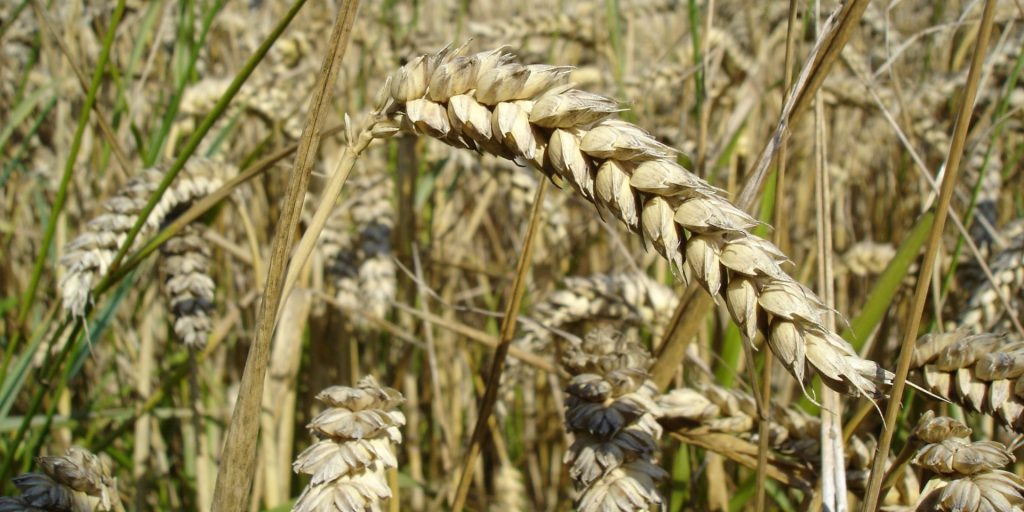
By expanding plant-based production alongside smaller-scale, higher-welfare animal agriculture, Canada can strengthen farm incomes, meet consumer expectations, reduce the pressures of concentrated systems. Diversified operations are often more stable and more connected to local communities.
It’s time to process what we grow

The public opinion in this area is clear: Canadians see agriculture and food production as central to our economic future. They want stronger domestic supply chains.
New Democrats will always support and defend supply management

Supply management is not a loophole. It is not a handout. It is a deliberate public policy choice that has kept family farms viable, food local, and rural communities strong for more than 50 years.
Protect supply management in CUSMA review, agriculture sector reps tell feds

‘There’s never been a more important time to ensure that our domestic production is robust and protected,’ says David Wiens, president of the Dairy Farmers of Canada.
Food affordability isn’t the problem, it’s a symptom
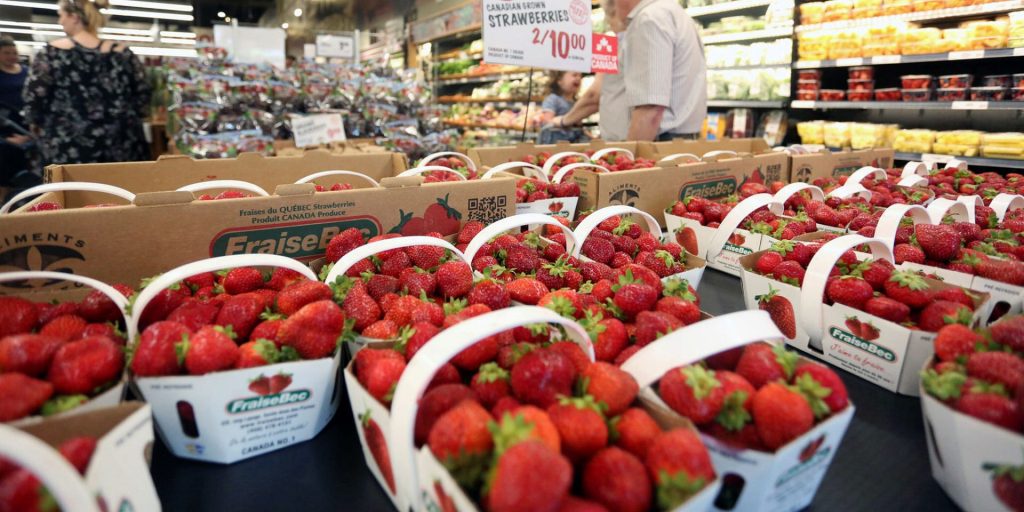
Canada is well-placed to conquer our agri-food innovation problems; through a strong innovation culture with proven ventures that are ready to scale, a globally respected agriculture and food sector, and a desire to diversify our trade partners.
Farmers must be protected from climate chaos

We are a long way from the worst. Humanity still has a chance to reduce our risks to those to which we can adapt. Still, British Columbia has had staggering losses.
Feeding the world is an economic opportunity
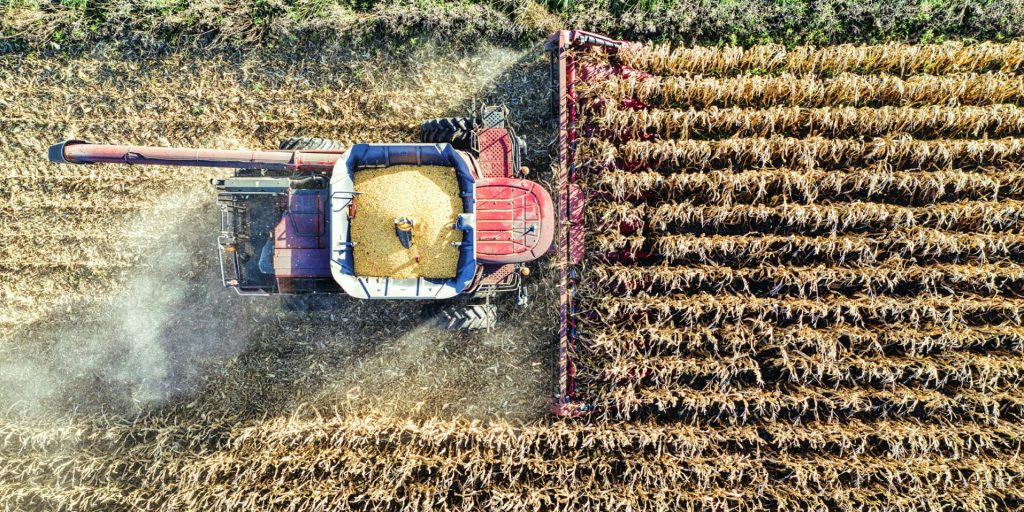
Canada can be an agri-food leader, but to compete globally, producers and industry need access to the latest tools and technology.
The science behind solving food insecurity in Canada

Food security is not simply about supply. It requires adaptability. And adaptability is rooted in ingenuity, advanced through science and translated into practical solutions through research.
With global volatility the new normal, Canada’s agriculture and agri-food sector must be resilient, innovative, and competitive
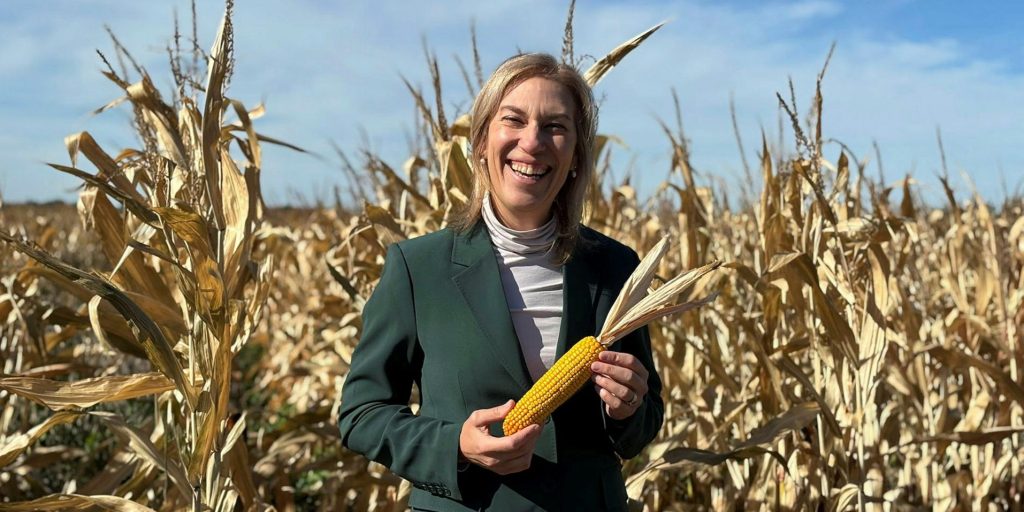
The goal is clear: ensure that Canadian producers and processors are equipped to face emerging risks while capturing new opportunities.
Canada’s family farms are strategic assets, and our tax laws are putting them at risk

Changing the Income Tax Act in this way is a win for government, a win for rural communities, and a win for farming families.