Canada’s renewed pipeline fixation threatens more than the environment
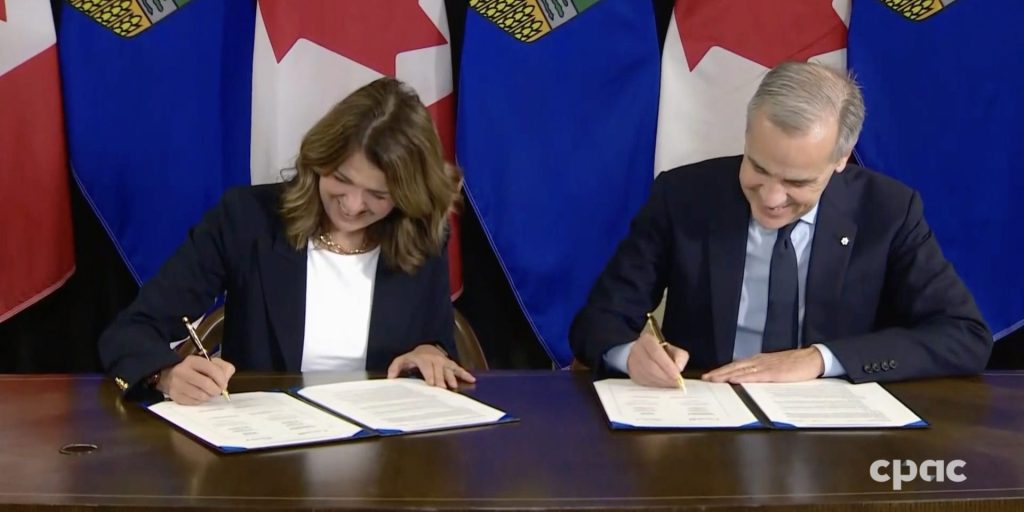
The risks to federalism, Indigenous reconciliation, and our ability to navigate a hostile global trading environment make it clear that this is a profound strategic error.
Why the North needs telecom before it gets nuclear

Northern Canada depends almost entirely on a handful of satellite providers. Satellites are vulnerable to jamming, cyberattacks, congestion, and foreign interference.
Alberta MOU still a ‘good deal’ say Liberal MPs, despite loss of ‘star factor’ in Quebec with Guilbeault’s resignation

Green Leader Elizabeth May says the Liberals’ situation in Quebec ‘is very much changed’ by the departure of longtime environmentalist and cabinet minister Steven Guilbeault.
Federal-Alberta MOU leaves questions to be answered
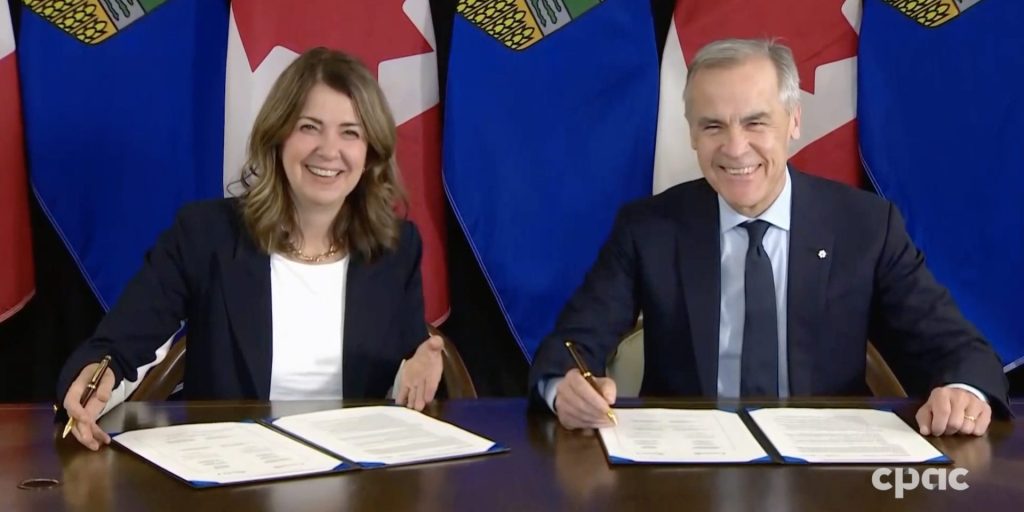
It’s not clear is whether the Ottawa-Alberta energy framework has provided enough confidence around the risk-reward equation for the private sector to come to the table.
Supply chain reliability is the foundation of Canada’s trade future
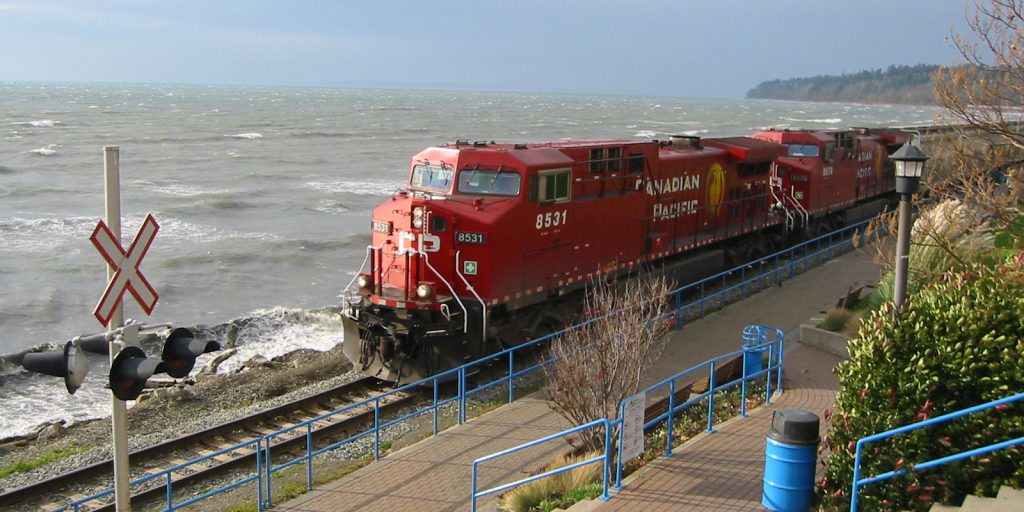
For Canadian exports to thrive, transportation policy must be seen as trade policy in action.
Ottawa plans to modernize the Energy Efficiency Act. Here’s how to do it right
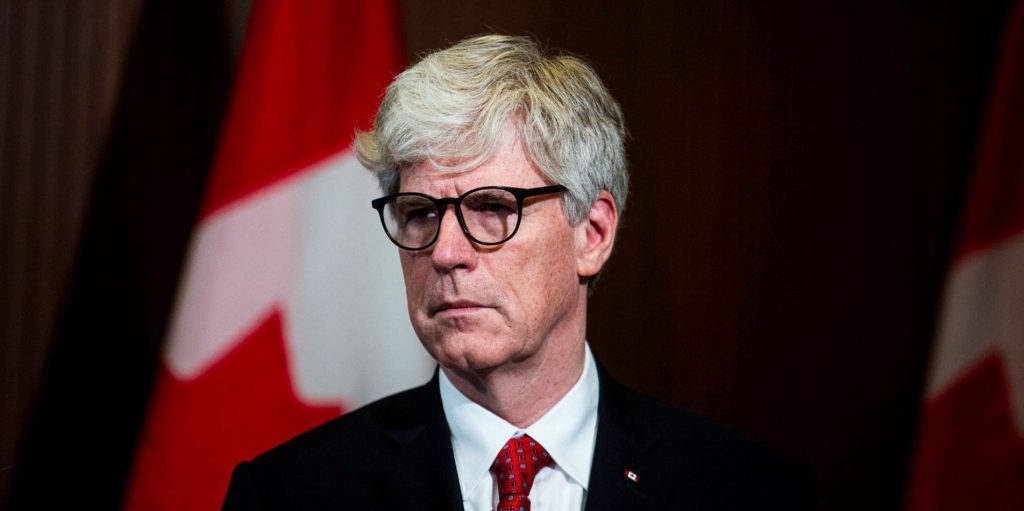
To reduce energy bills and reach net-zero emissions, Canada’s update to the legislation must strengthen standards and broaden its scope.
There is no bargain in a north coast oil pipeline, only snake oil
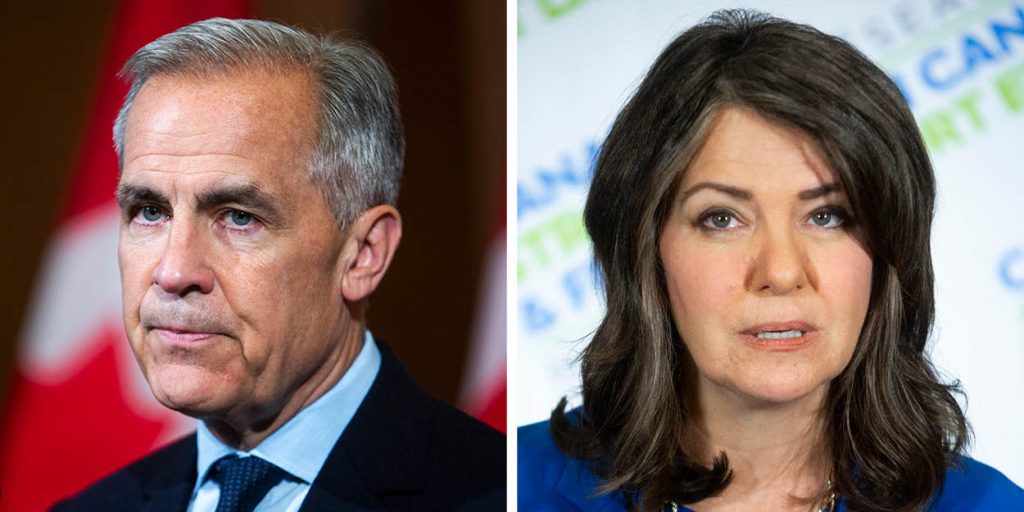
Sacrificing B.C.’s coastal economy, ecosystems, and communities, and First Nations territories is not nation-building.
‘Quiet buzz’ on Bay Street about Carney’s ‘nation-building’ major projects, says Tobin
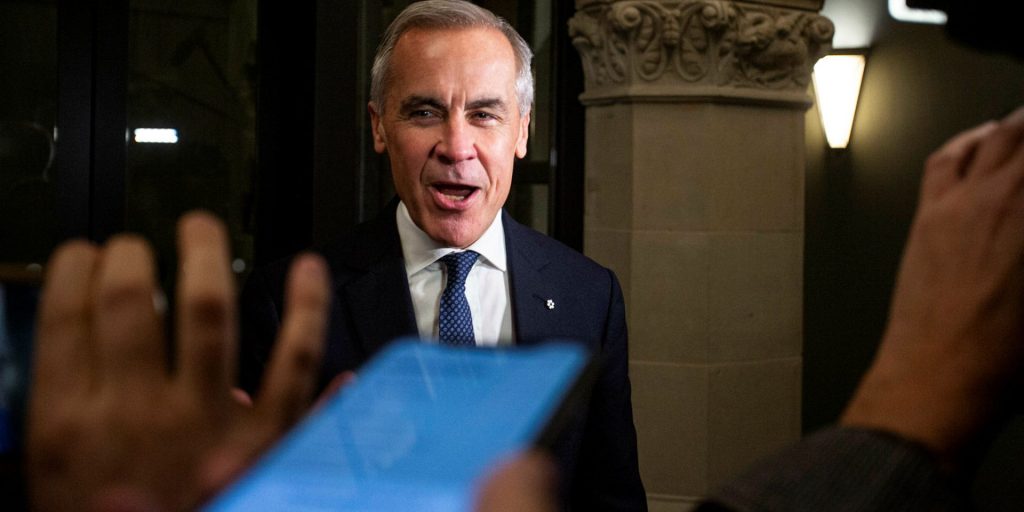
The potential impact of these projects is up for debate as many are located in individual provinces or territories, and were previously approved by those jurisdictions. Meanwhile, the federal government wants to accelerate the construction of the Alto High-Speed Rail, Canada’s first high-speed railway from Toronto to Quebec City.
‘It’s a big concern’: MPs scrutinize head of Major Projects Office for past role in Trans Mountain contract

Dawn Farrell was CEO of the Trans Mountain Corporation when it issued a $32.9-million sole-source contract to McKinsey and Company to help the pipeline expansion project save money as the multibillion-dollar price tag ballooned in 2022.
Bridging Canada’s divide on consent
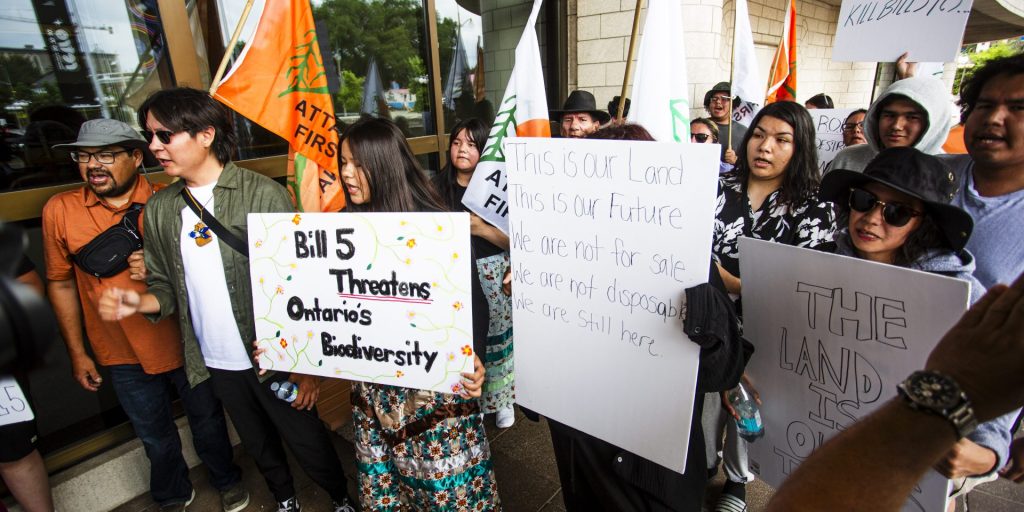
Sixty-eight per cent of Indigenous respondents say Indigenous approval should be essential before a project proceeds; only 42 per cent of the general population agree.