There is more to the malaise in the education system than funding: Tom McElroy

Re: “Ford’s new budget will hurt students: letter writer,” (The Hill Times, April 17, letter to the editor). There is more to the malaise in the education system than funding. We used to have schools that educated people. Now we have a system that just pushes them through. The value of a high school education, […]
Gender equality got left behind in the most recent budget

Canada is hailed as being progressive; however, the current system is not flexible enough to meet the needs of modern families.
Ford’s new budget will hurt students: letter writer

Ontario Premier Doug Ford’s new budget will hurt students. No matter how you look at the numbers, the Ford government is letting schools fall further behind. School boards across Ontario have been clear: cutting pandemic education funding will mean less support for kids that need it. Ford’s budget cuts that funding by nearly $1-billion, even […]
Qualtrough looks to leverage trust of disability community as Senate committee studies landmark benefit

Bill C-22 would create a major social program to address the high poverty rates for people with disabilities, but the ‘framework bill’ relies on not-yet-written regulations to do the heavy lifting.
Feds show ‘understanding’ but not ‘action’ on need to partner with provinces to build more houses, says B.C. minister
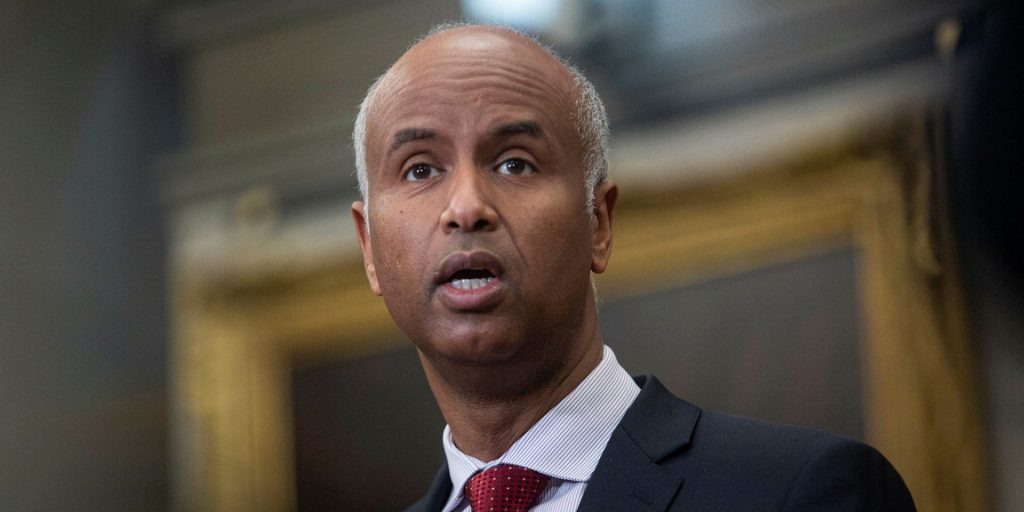
A proposal to link housing funding with immigration shows how per capita transfers are sometimes ‘too blunt a measure,’ says policy prof.
Ladder up and out: labour training as poverty escape

The need for digital upskilling is great, and the demand for talented workers continues to grow. How impactful would it be if many of these new workers came from underrepresented groups?
Parliamentary Budget Office says ending tax exemption for real estate investment trusts would generate at least $285.8-million in additional revenue over five years

Finance Minister Chrystia Freeland’s office says the federal government ‘continues to evaluate the impact’ that large corporate landlords have on rental housing across Canada.
Budget offers ‘underwhelming’ response to worsening housing crisis, say advocates
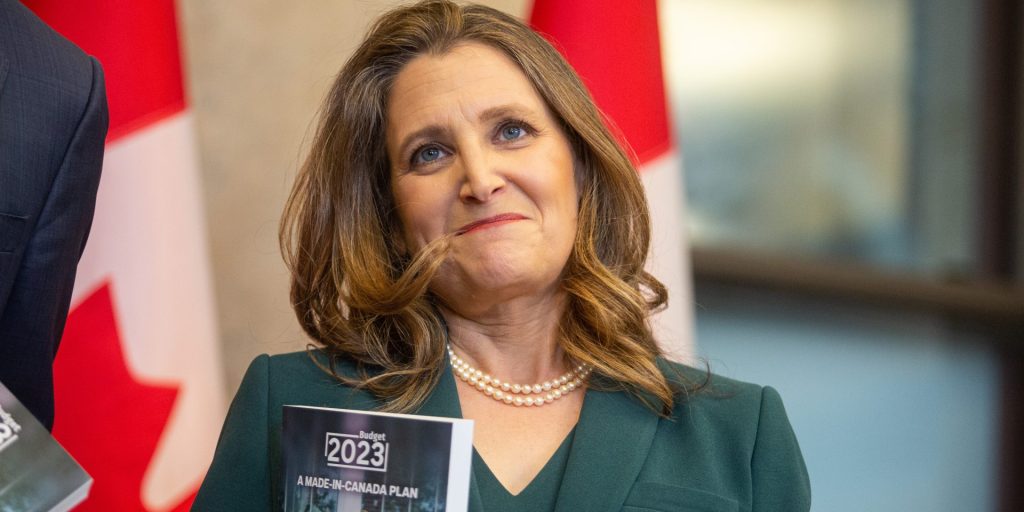
Stakeholders say greater targeted supports for the most-vulnerable Canadians and an increased share of co-op and non-profit housing are needed to meet the ‘gravity of the affordable rental housing crisis.’
Budget should bolster commitment to workers in changing economy
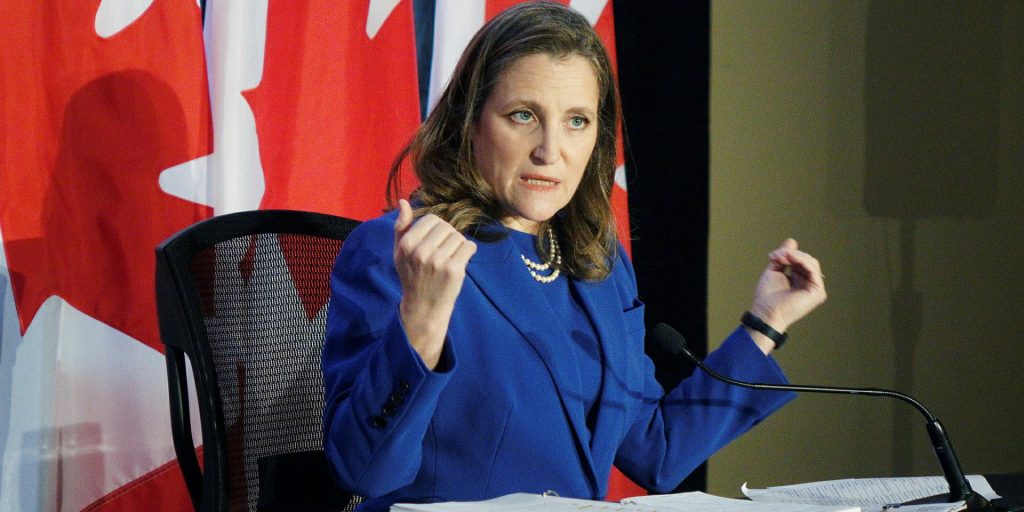
If the government is going to provide billions of dollars in tax incentives to the private sector to meet a net-zero carbon-based energy economy, then that revenue from the treasury must help to create good, middle-class jobs.
‘Too much, too quickly’: economists warn of Liberal ‘pro-business’ immigration policy

The government’s rhetoric doesn’t match reality when it comes to higher immigration targets and labour shortages, say three labour economists. But the Century Initiative’s Lisa Lalande argues that economists who are critical of the higher immigration targets are taking a ‘very narrow perspective,’ and should be looking at measures of economic prosperity besides per capita income.