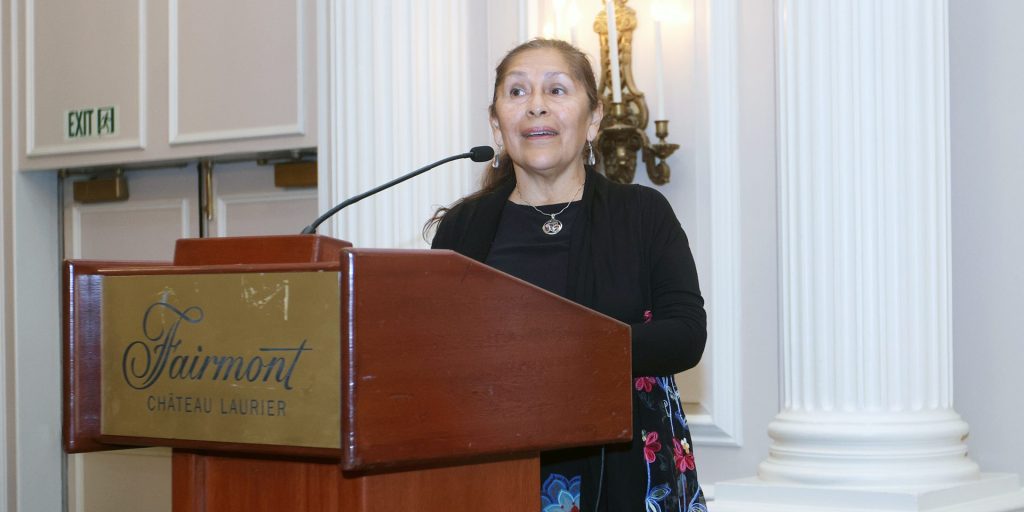
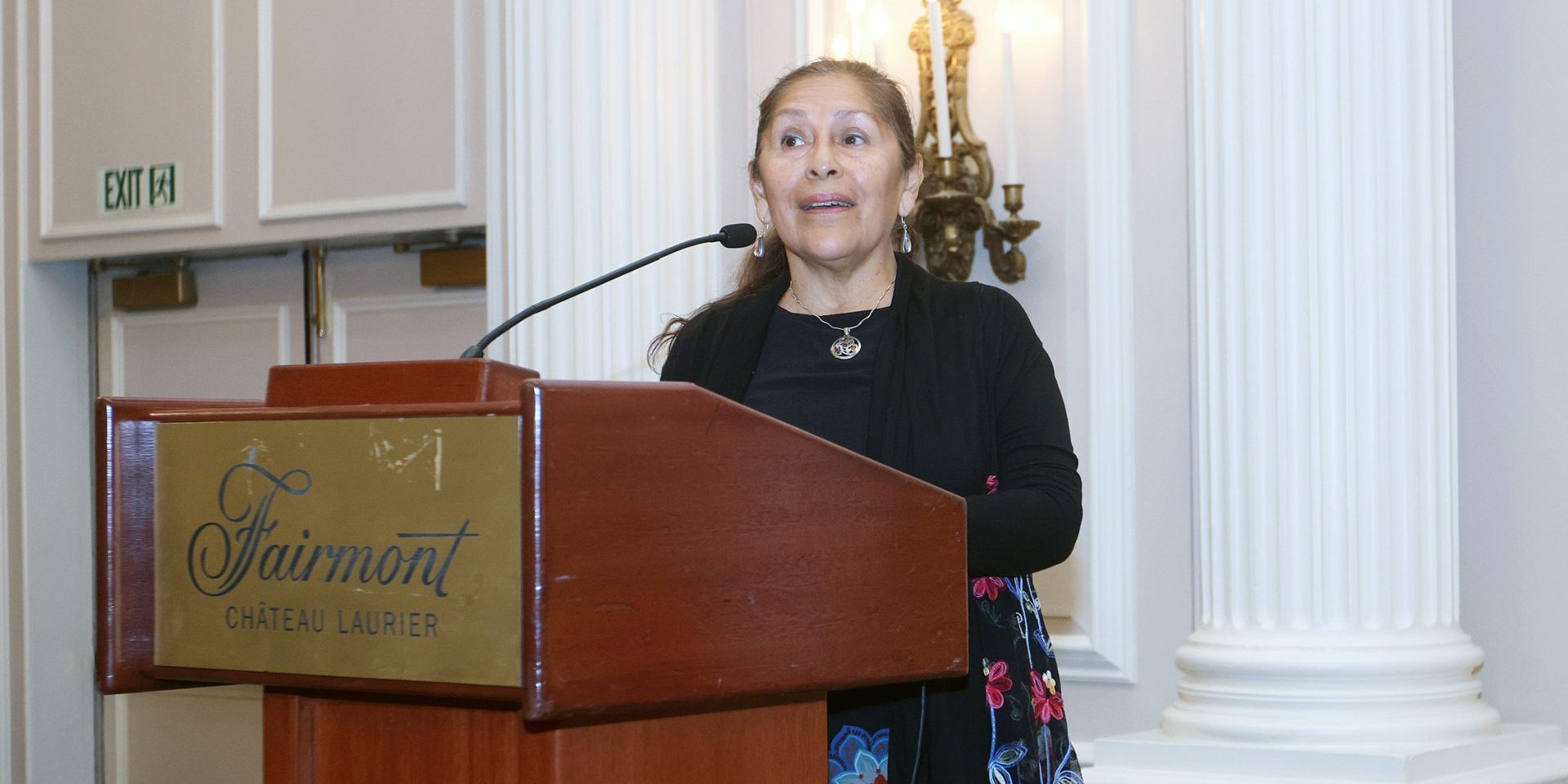
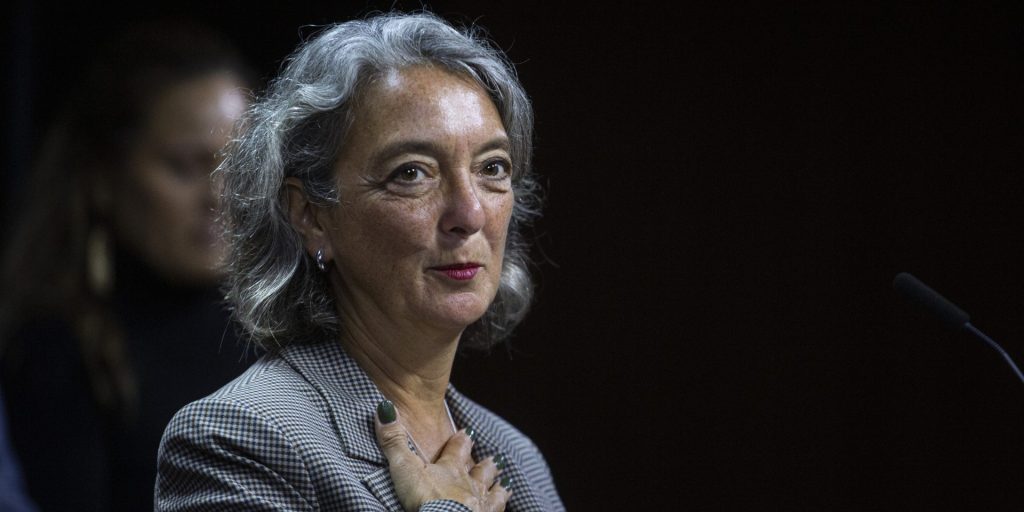
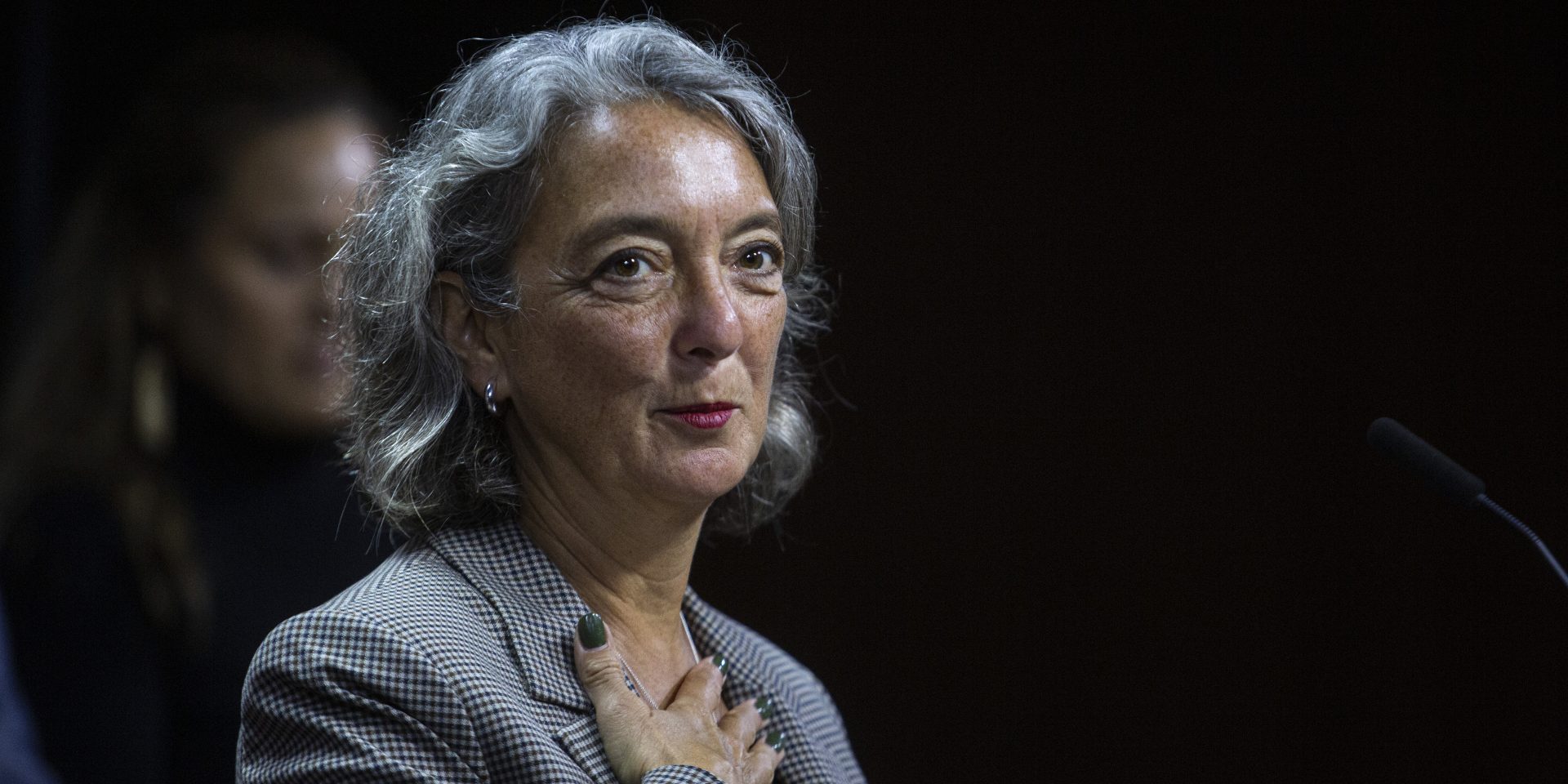
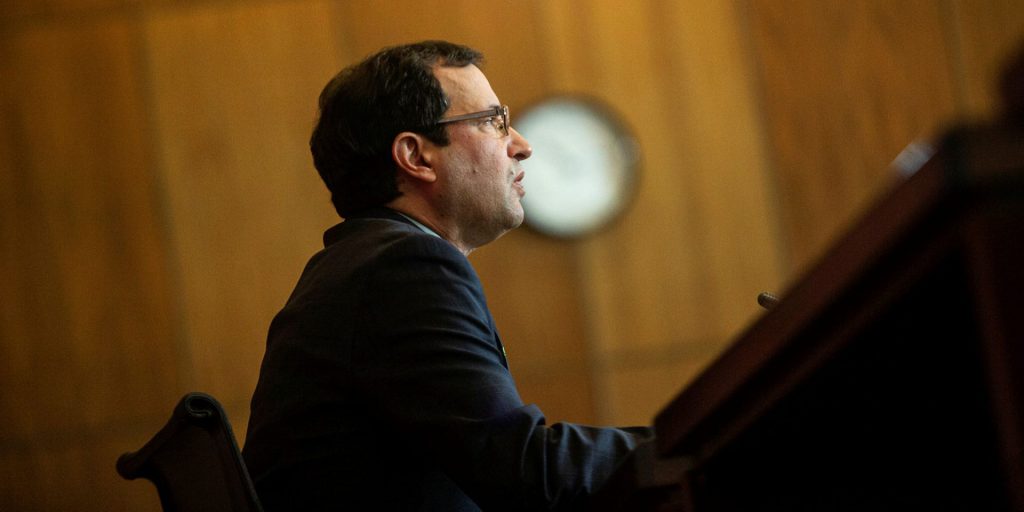
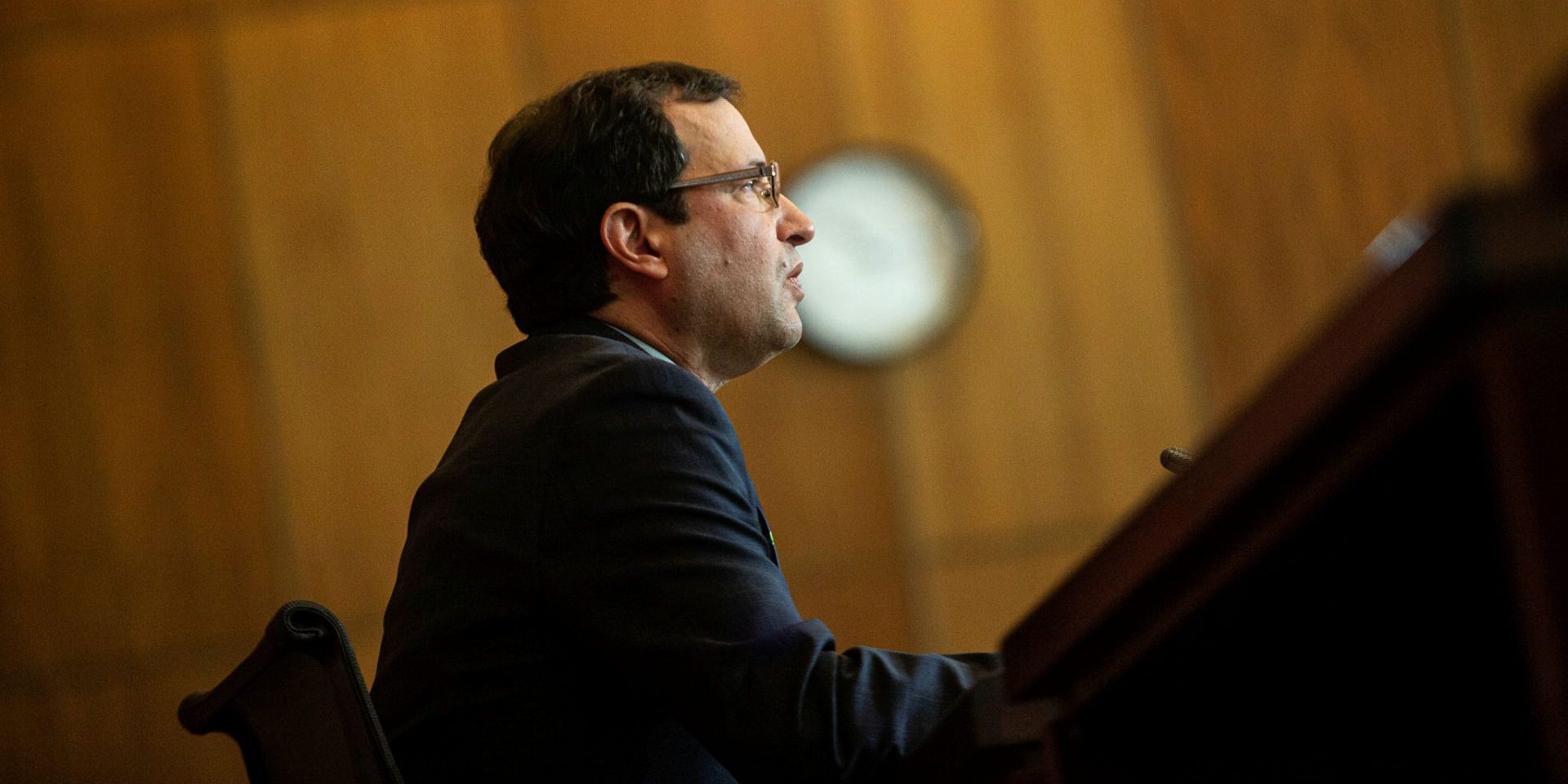
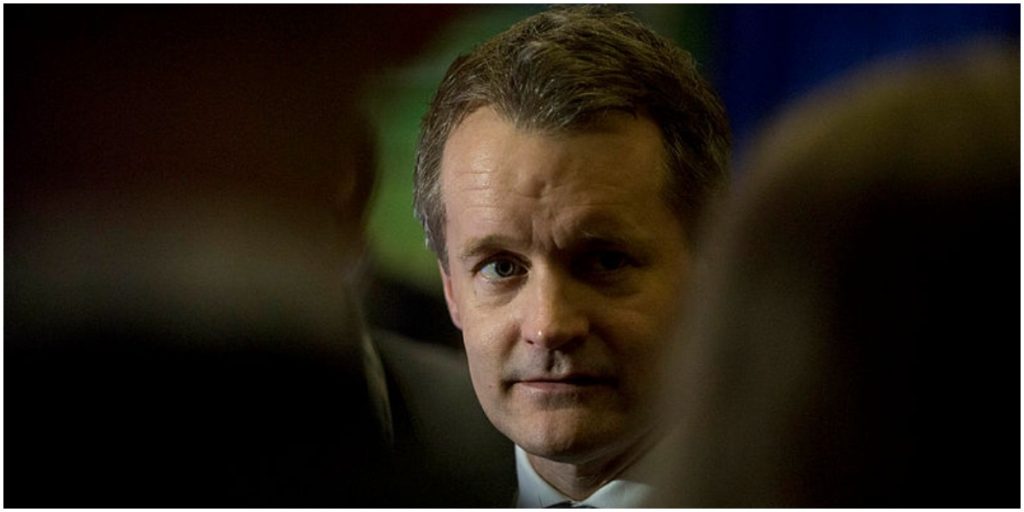
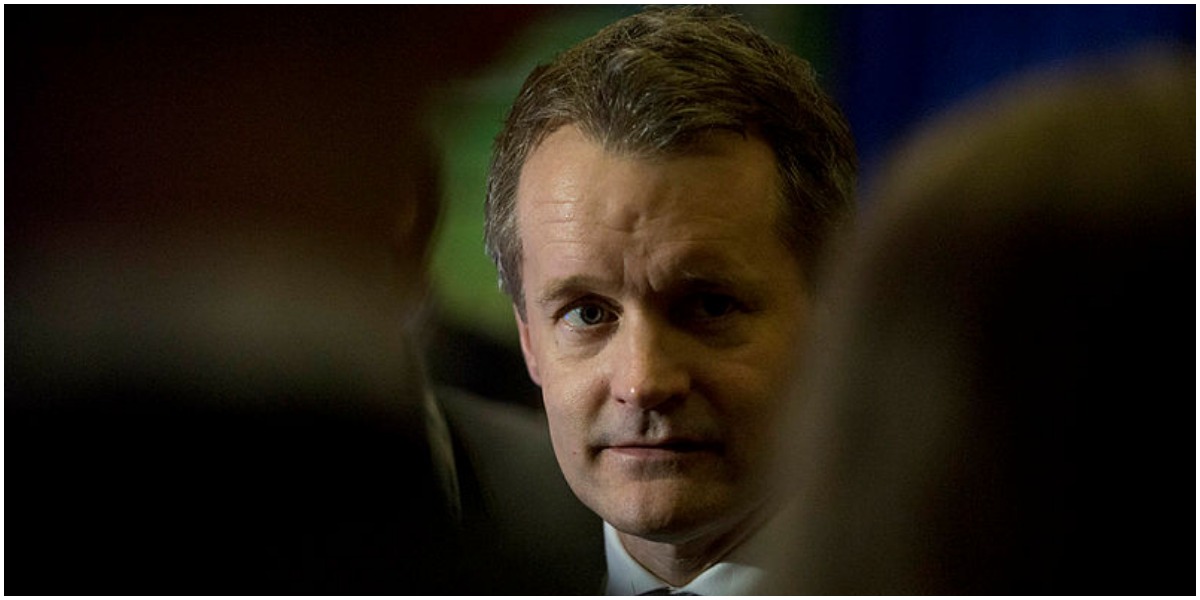
Independent Senator Rosa Galvez’s Climate Aligned Finance Act aims to provide a framework to ensure that the country’s financial system aligns with its legally binding climate commitments. The Hill Times photograph by Sam Garcia
Canada is a laggard in the international race towards the energy of the future.
Independent Senator Rosa Galvez’s Climate Aligned Finance Act aims to provide a framework to ensure that the country’s financial system aligns with its legally binding climate commitments. The Hill Times photograph by Sam Garcia
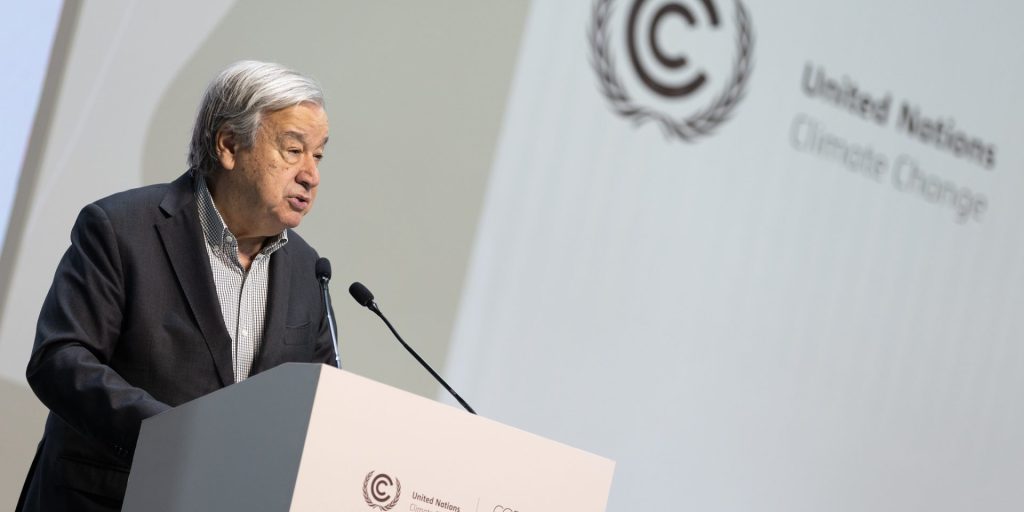
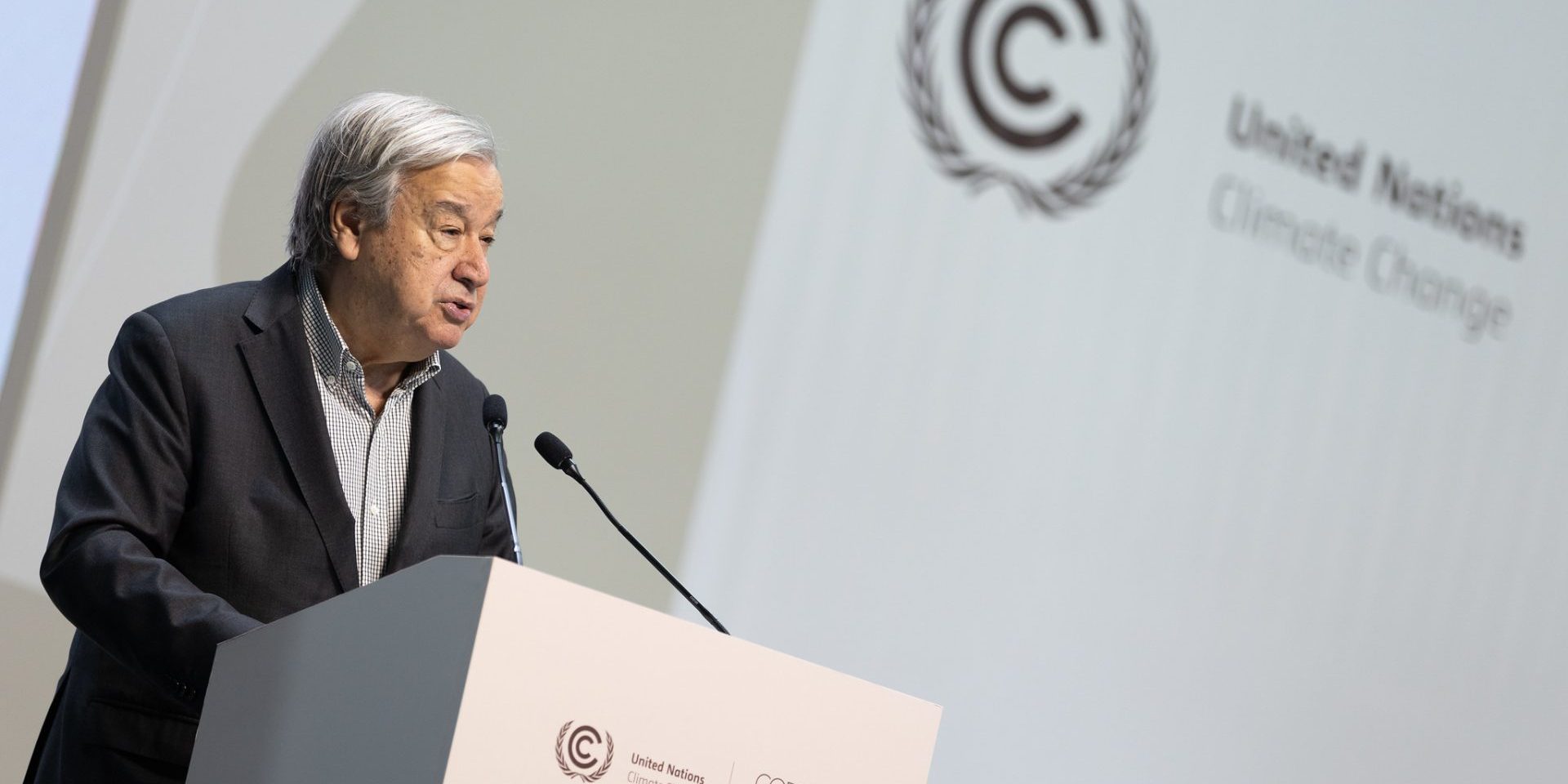
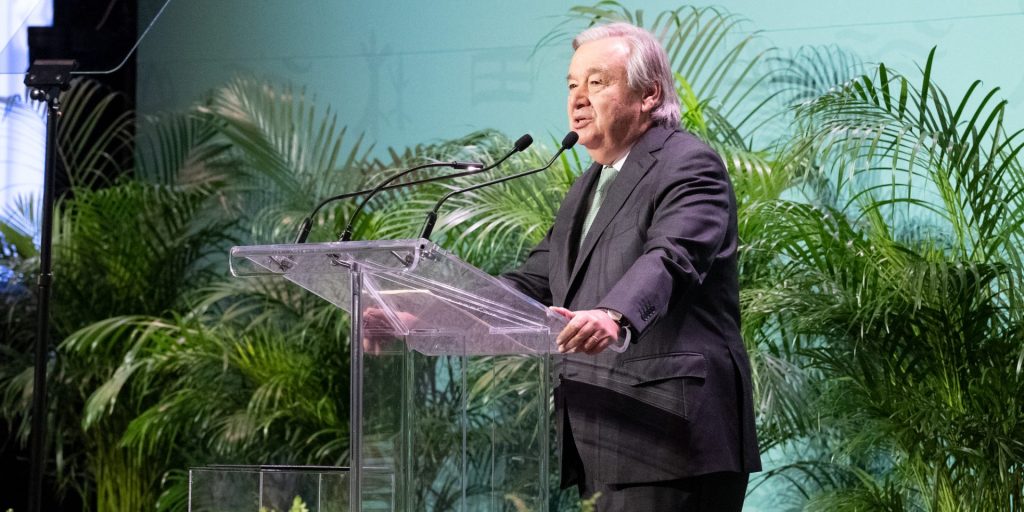
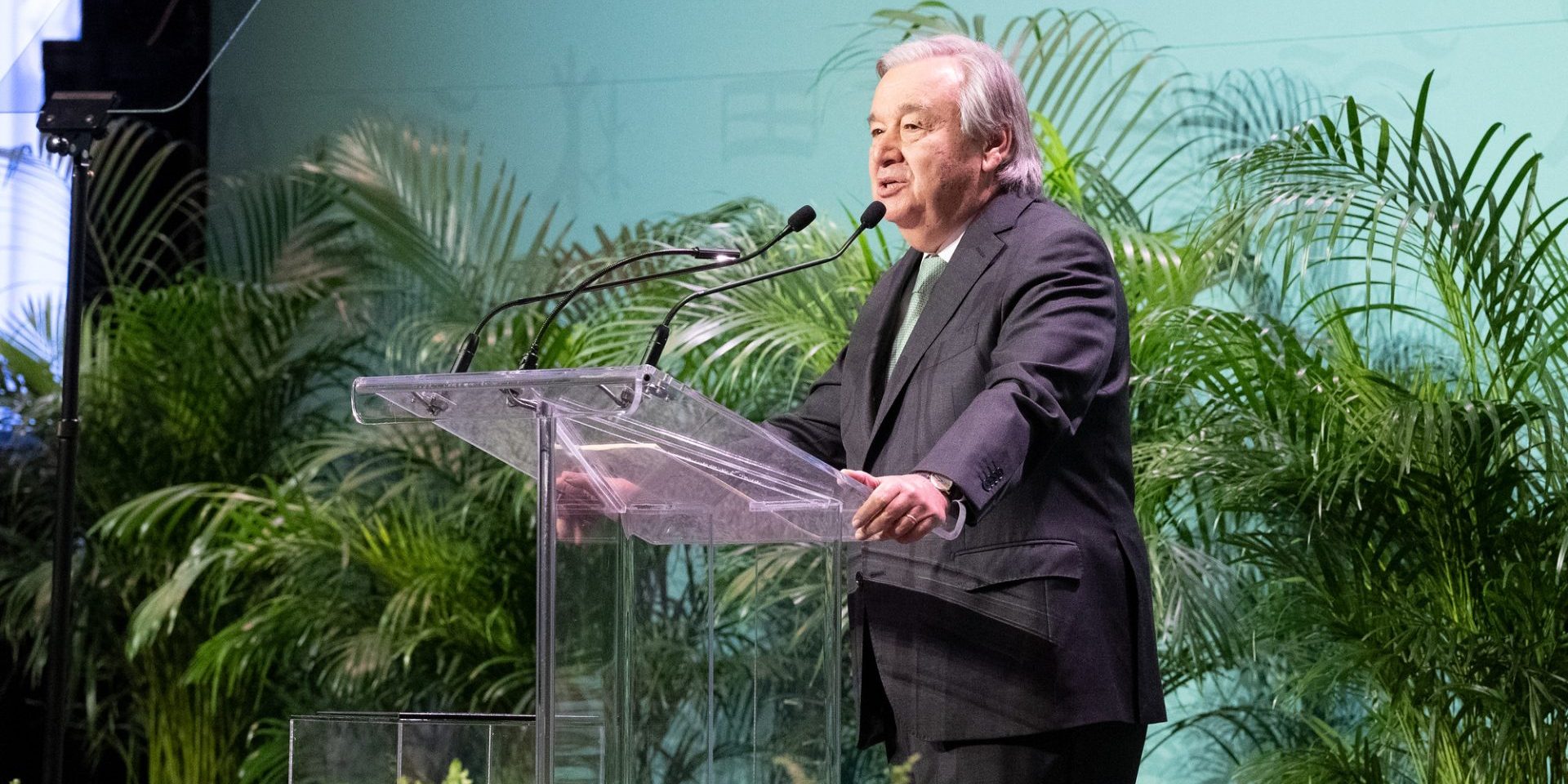
Last fall, United Nations Secretary-General António Guterres warned that the global commitment to 1.5 C is at risk of ‘collapsing,’ and called for a renewed global response, write Sen. Rosa Galvez, Trevor Hancock, and Courtney Howard. Photograph courtesy of UN Climate Change-Kiara Worth/Flickr
We have already crossed seven of the nine planetary boundaries scientists have identified that together maintain global stability.
Last fall, United Nations Secretary-General António Guterres warned that the global commitment to 1.5 C is at risk of ‘collapsing,’ and called for a renewed global response, write Sen. Rosa Galvez, Trevor Hancock, and Courtney Howard. Photograph courtesy of UN Climate Change-Kiara Worth/Flickr
The Climate-Aligned Finance Act provides the structure and legal clarity needed for our financial system to operate consistently with Canada’s own climate commitments.
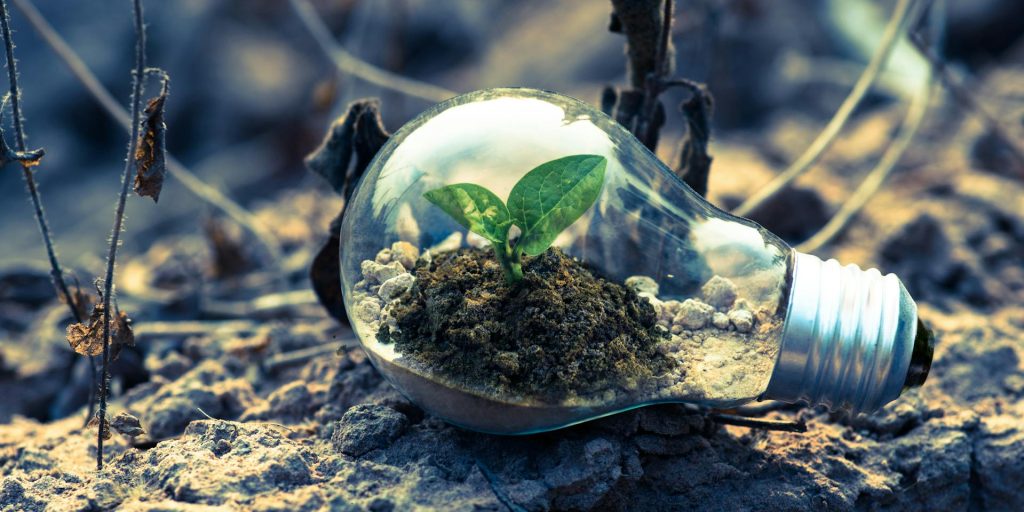
Canada cannot meet its Paris commitments, nor protect its citizens, if capital continues to flow into activities incompatible with a net-zero future, writes Sen. Rosa Galvez. Unsplash photograph by Jinyun
The Climate-Aligned Finance Act provides the structure and legal clarity needed for our financial system to operate consistently with Canada’s own climate commitments.
The Climate-Aligned Finance Act provides the structure and legal clarity needed for our financial system to operate consistently with Canada’s own climate commitments.
Canada cannot meet its Paris commitments, nor protect its citizens, if capital continues to flow into activities incompatible with a net-zero future, writes Sen. Rosa Galvez. Unsplash photograph by Jinyun
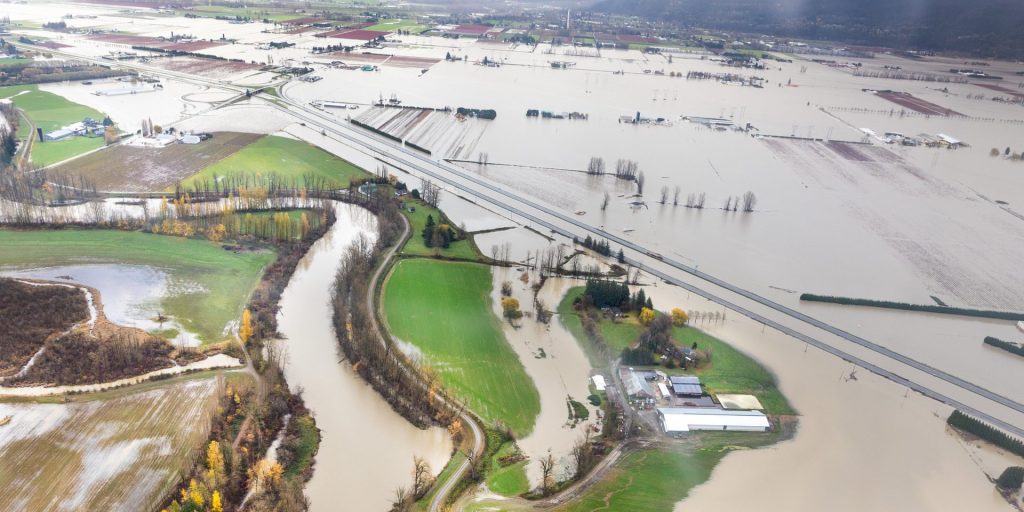
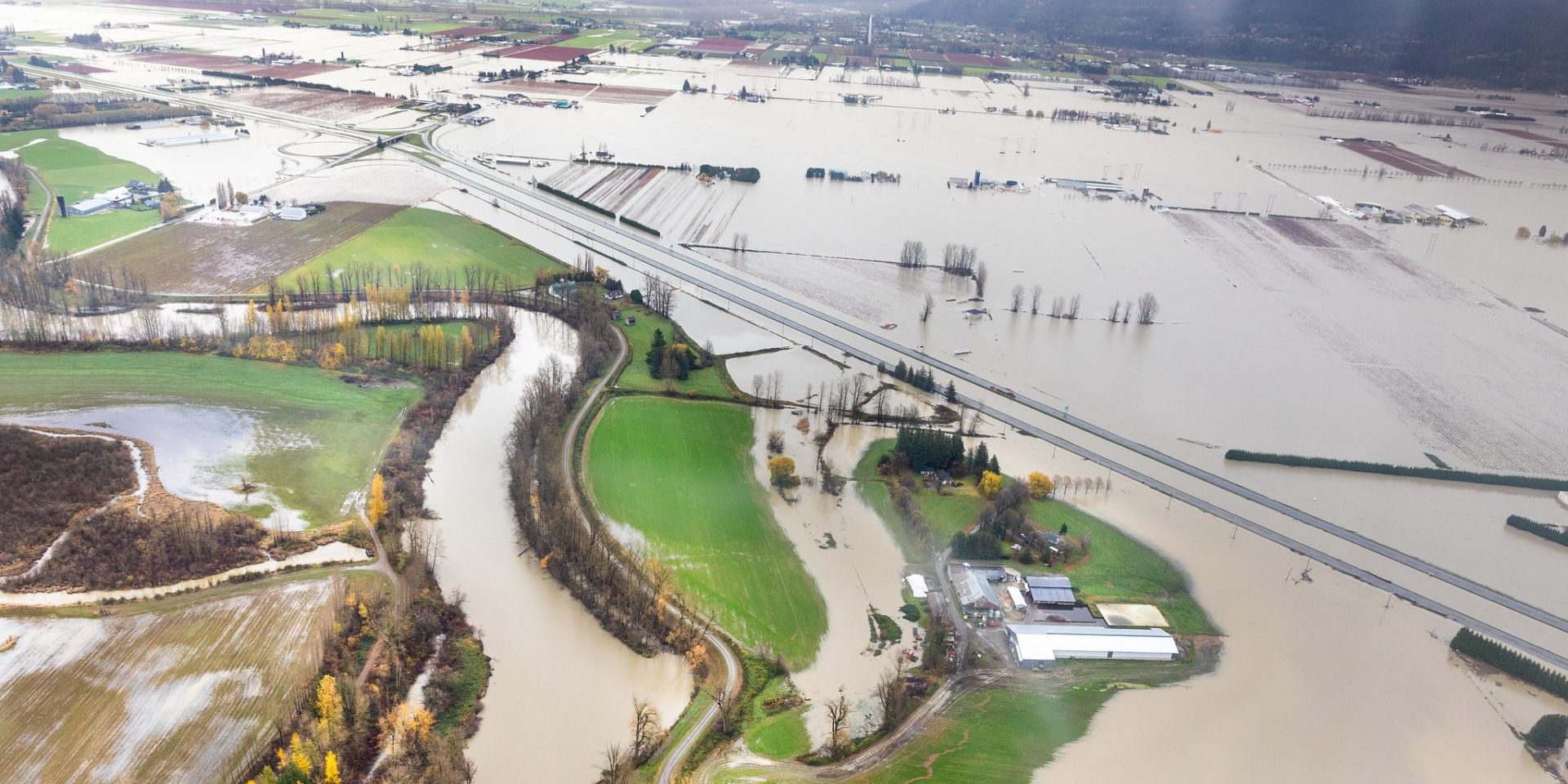
According to the Canadian Climate Institute, the growing cost of disasters already consumes the equivalent of five to six per cent of Canada’s annual GDP growth, writes Sen. Rosa Galvez. Photograph courtesy of the Province of B.C./Flickr
Extreme weather is already reshaping our economy, destabilizing our energy supply, weakening our ecosystems, and testing our infrastructure.
According to the Canadian Climate Institute, the growing cost of disasters already consumes the equivalent of five to six per cent of Canada’s annual GDP growth, writes Sen. Rosa Galvez. Photograph courtesy of the Province of B.C./Flickr
Mitigating methane emissions is a low-hanging fruit on which new Environment and Climate Change Minister Julie Dabrusin should take immediate action, write ISG Senator Rosa Galvez and Ari Pottens. The Hill Times photograph by Andrew Meade
Meeting our methane targets is an important prerequisite for Canada’s international competitiveness.
Mitigating methane emissions is a low-hanging fruit on which new Environment and Climate Change Minister Julie Dabrusin should take immediate action, write ISG Senator Rosa Galvez and Ari Pottens. The Hill Times photograph by Andrew Meade
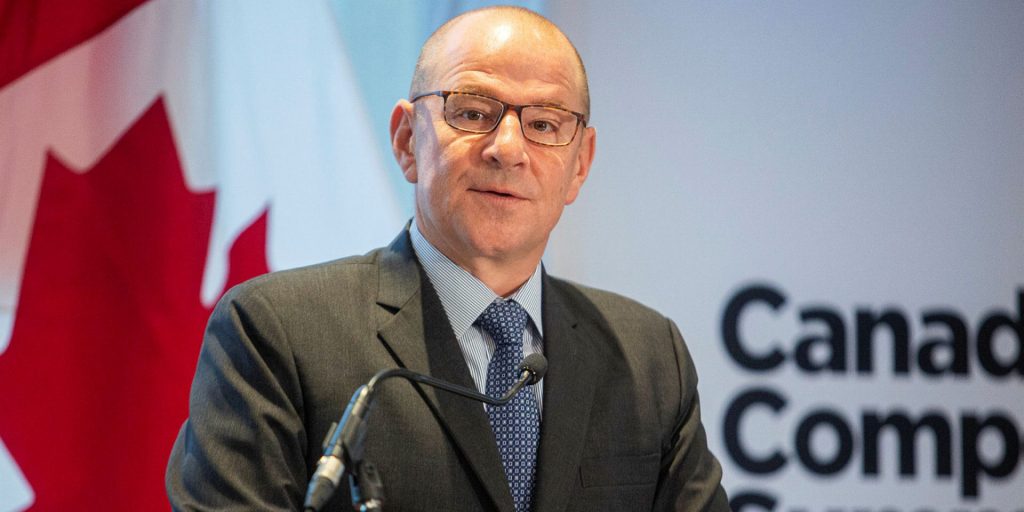
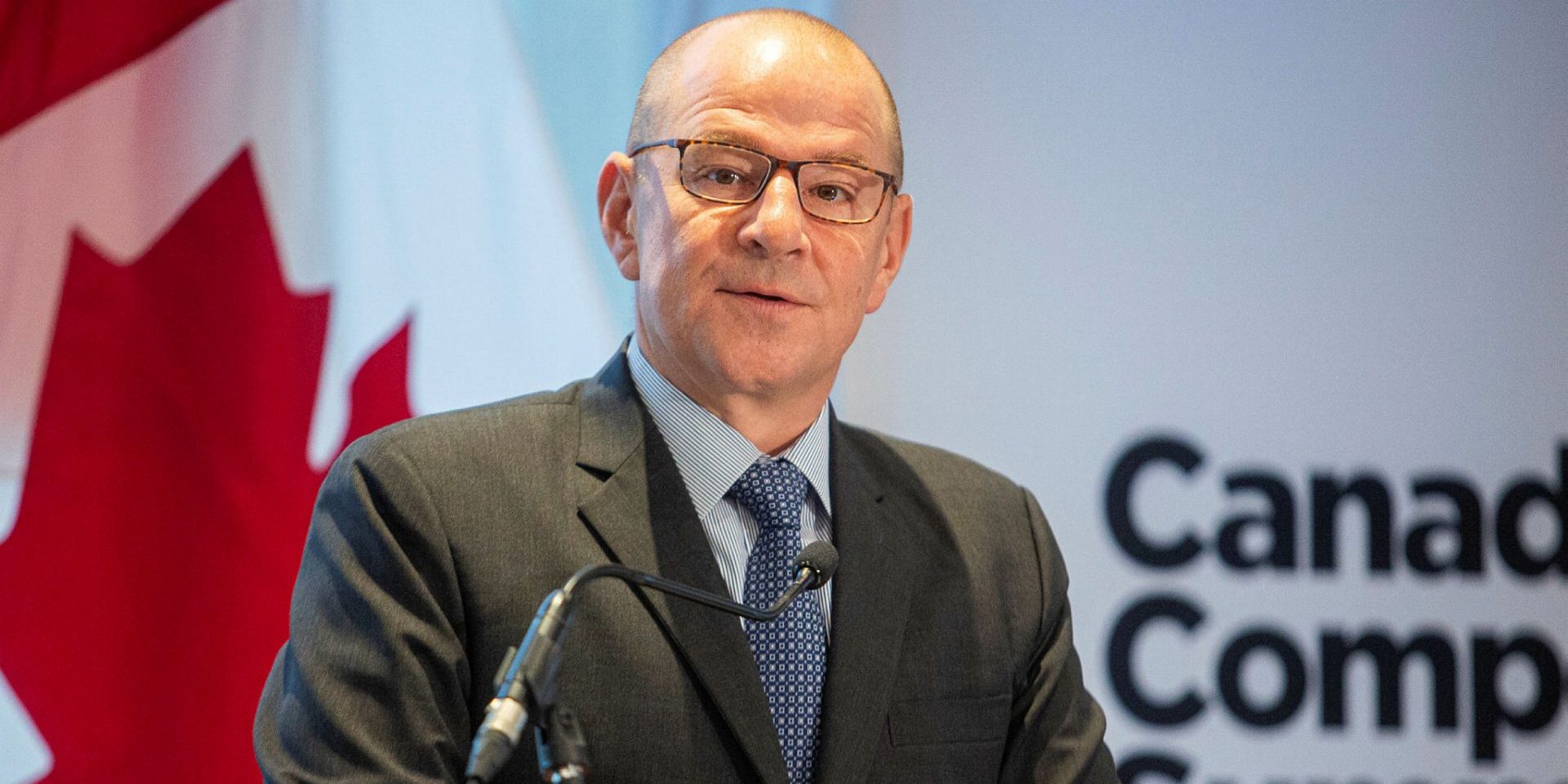
Commissioner of Competition Matthew Boswell. The Competition Bureau cannot tackle greenwashing alone, nor can it completely stop it with the tools it has been given thus far, write Rosa Galvez and Alexandra Toutant. The Hill Times photograph by Andrew Meade
The proposed guidelines signal a loose and flexible enforcement approach that emphasizes business interests over evidence and science.
Commissioner of Competition Matthew Boswell. The Competition Bureau cannot tackle greenwashing alone, nor can it completely stop it with the tools it has been given thus far, write Rosa Galvez and Alexandra Toutant. The Hill Times photograph by Andrew Meade
We have the resources we need to be energy independent, and to give all Canadians energy security, writes Sen. Rosa Galvez. Pexels photograph by Singkham
We can build a stronger Canada by focusing on the development of renewable energy technologies and infrastructure here at home.
We have the resources we need to be energy independent, and to give all Canadians energy security, writes Sen. Rosa Galvez. Pexels photograph by Singkham
During Climate Week in New York, the environment and climate change minister should push for concrete results to control and reduce plastic production, writes
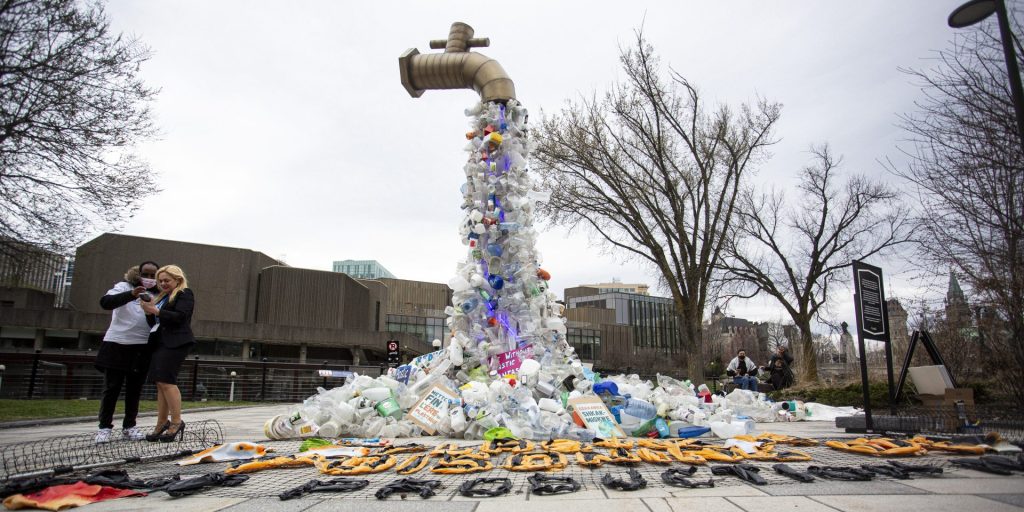
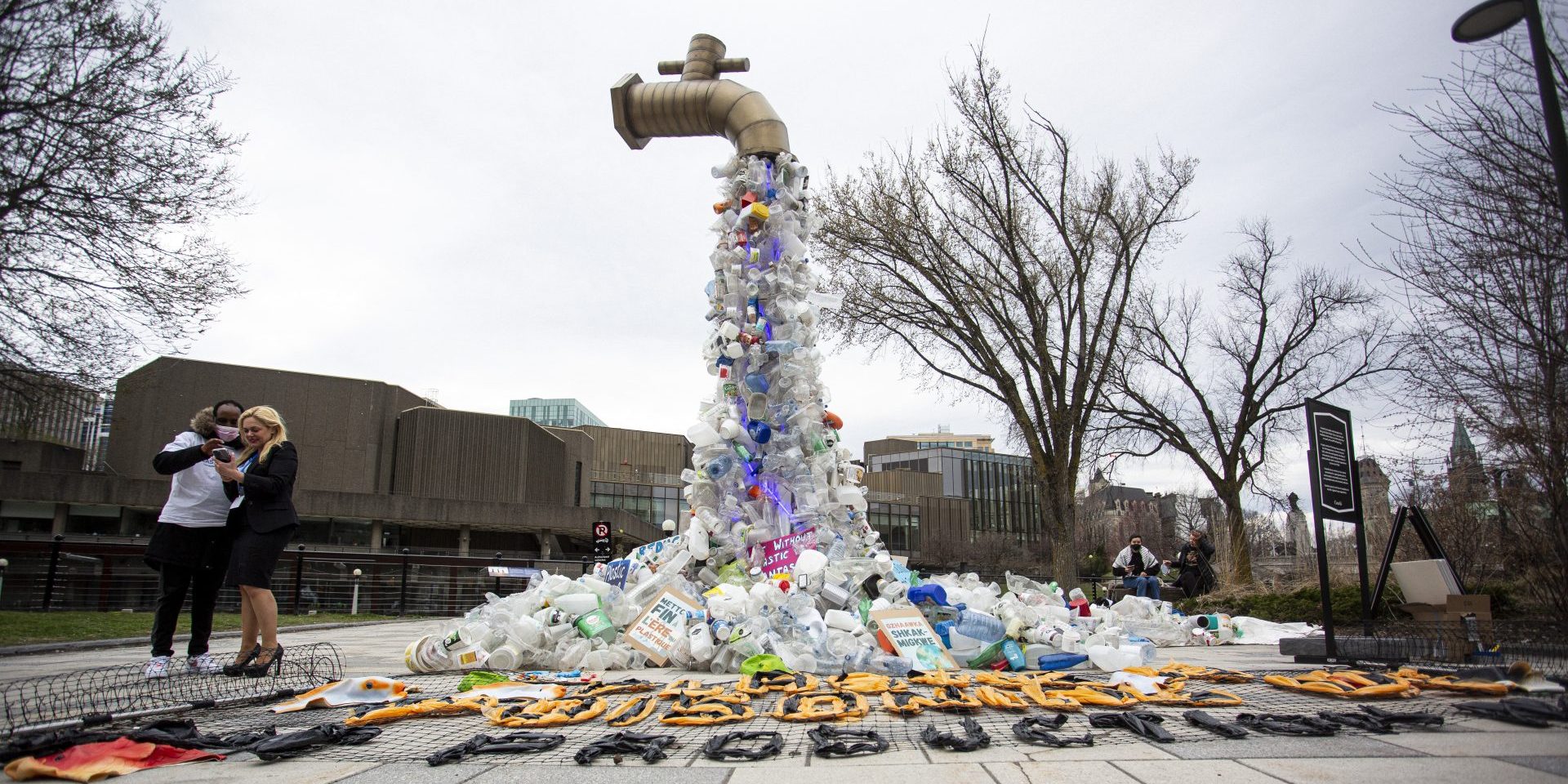
Canadian artist Benjamin Von Wong’s public art installation 'The Giant Plastic Trap' is pictured outside the fourth session of the United Nations Intergovernmental Negotiating Committee to develop an international legally binding instrument on plastic pollution at the Shaw Centre in Ottawa on April 23. The Hill Times photograph by Andrew Meade
During Climate Week in New York, the environment and climate change minister should push for concrete results to control and reduce plastic production, writes
During Climate Week in New York, the environment and climate change minister should push for concrete results to control and reduce plastic production, writes
Canadian artist Benjamin Von Wong’s public art installation 'The Giant Plastic Trap' is pictured outside the fourth session of the United Nations Intergovernmental Negotiating Committee to develop an international legally binding instrument on plastic pollution at the Shaw Centre in Ottawa on April 23. The Hill Times photograph by Andrew Meade
Canada hosted COP15 in Montreal in December 2022 where 196 countries signed onto the Kunming-Montreal Global Biodiversity Framework, but the government has a poor track record when it comes to keeping its biodiversity promises, write Senator Rosa Galvez, Kristen Walters, and Akaash Maharaj. Photograph courtesy of UN Biodiversity/Flickr
Bill C-73 is a much-needed piece of legislation that would give the National Biodiversity Strategy legal teeth, and make it enforceable by the courts.
Canada hosted COP15 in Montreal in December 2022 where 196 countries signed onto the Kunming-Montreal Global Biodiversity Framework, but the government has a poor track record when it comes to keeping its biodiversity promises, write Senator Rosa Galvez, Kristen Walters, and Akaash Maharaj. Photograph courtesy of UN Biodiversity/Flickr
If done right, critical mineral mining can stabilize the Canadian economy while we all enjoy the benefits of a cleaner, healthier environment, and a just society, writes Sen. Rosa Galvez. Pexels photograph by Jaime Reimer
A sustainable mining sector will minimize negative environmental, social, and economic impacts.
If done right, critical mineral mining can stabilize the Canadian economy while we all enjoy the benefits of a cleaner, healthier environment, and a just society, writes Sen. Rosa Galvez. Pexels photograph by Jaime Reimer
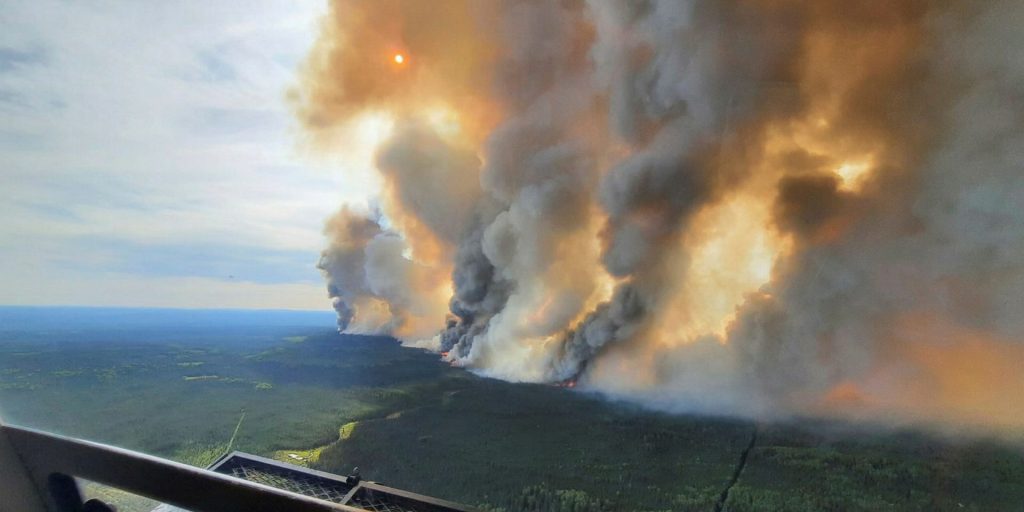
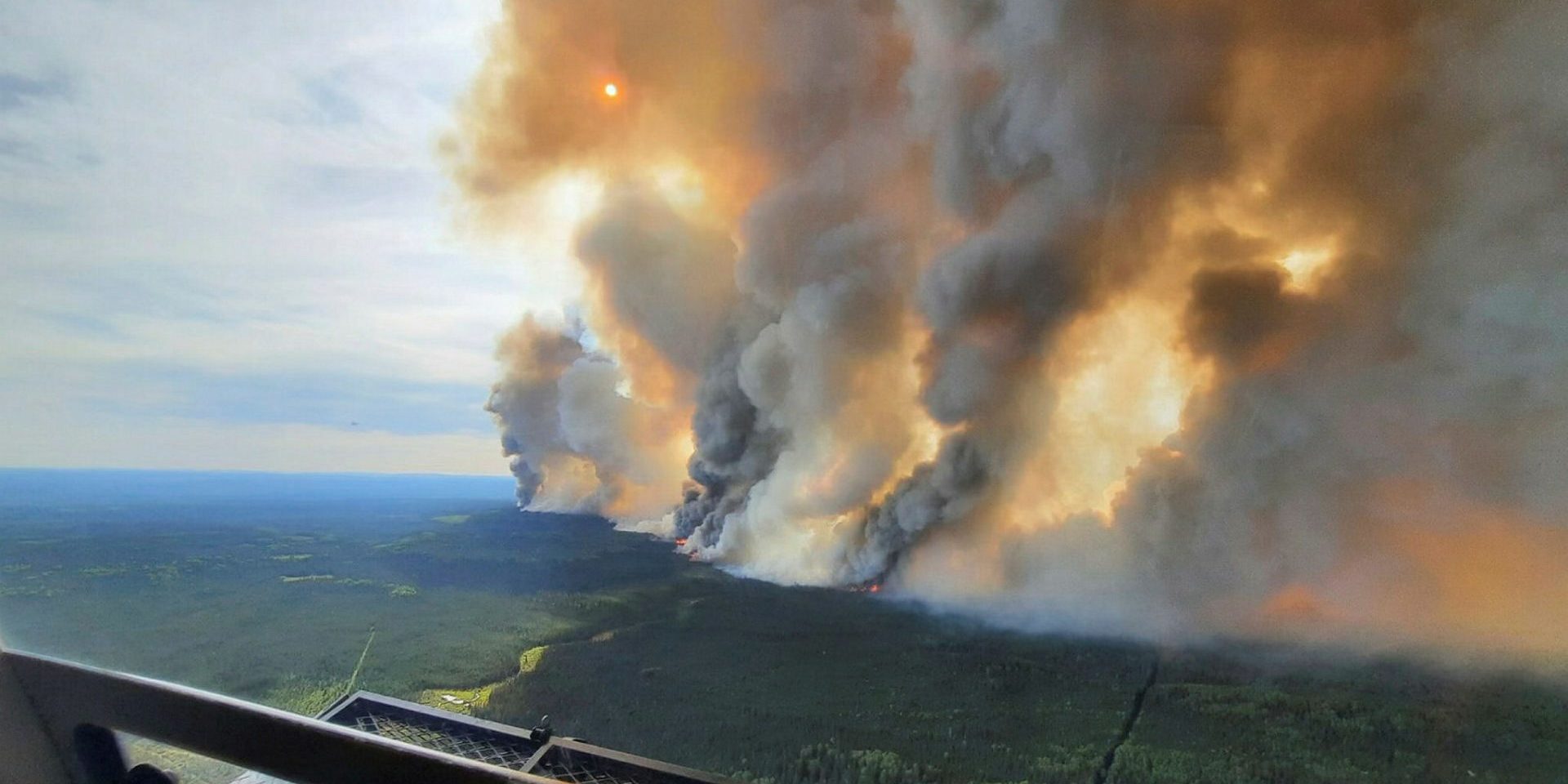
An aerial view of the Donnie Creek Complex fire in northern British Columbia on May 27, 2023. We recently learned that more than 150 of last year’s blazes continue to burn in Alberta, B.C., and the Northwest Territories, write Independent Senator Rosa Galvez and Dr. Kathleen Ross.
Photograph courtesy of the B.C. Wildfire Service
There is an urgent need to address climate change, the root cause of the wildfire crisis, across all jurisdictions.
An aerial view of the Donnie Creek Complex fire in northern British Columbia on May 27, 2023. We recently learned that more than 150 of last year’s blazes continue to burn in Alberta, B.C., and the Northwest Territories, write Independent Senator Rosa Galvez and Dr. Kathleen Ross.
Photograph courtesy of the B.C. Wildfire Service
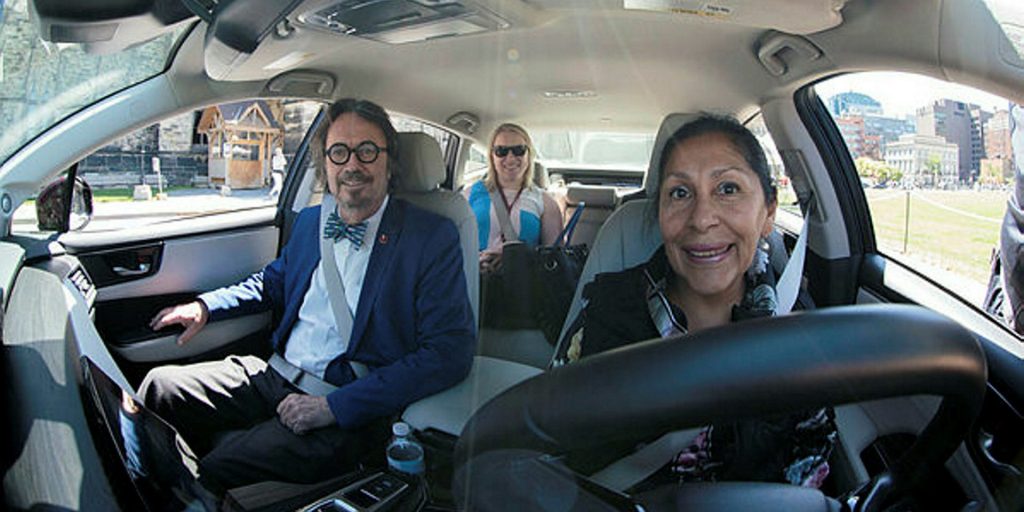
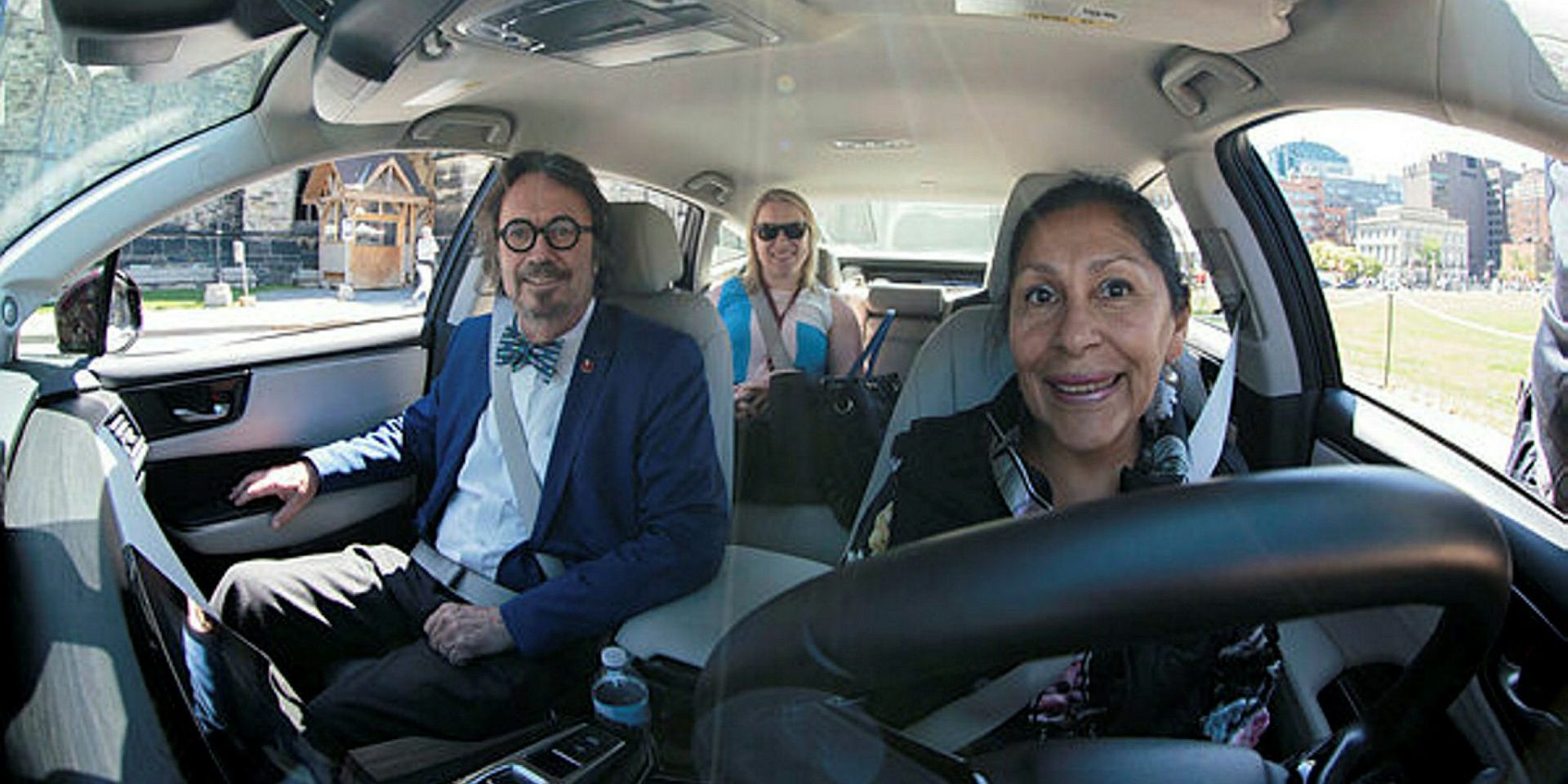
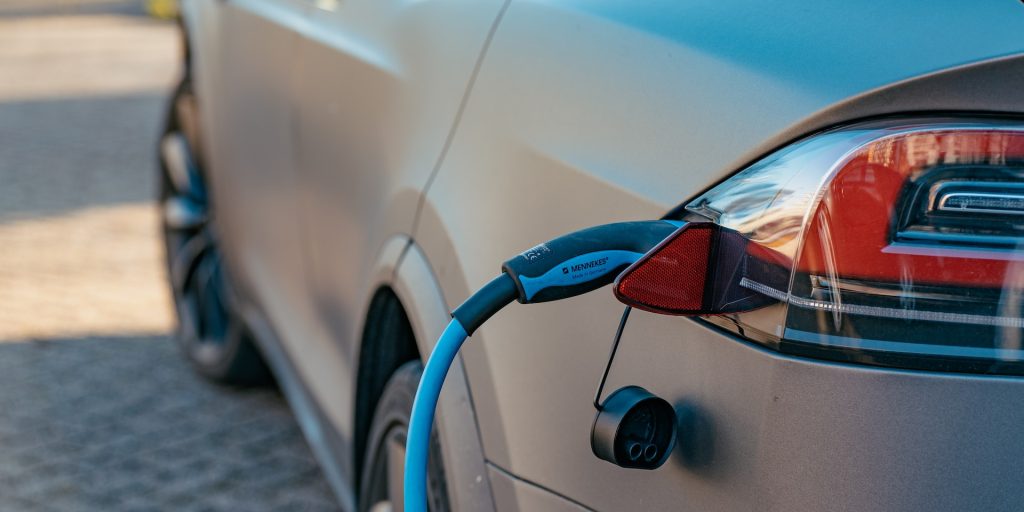
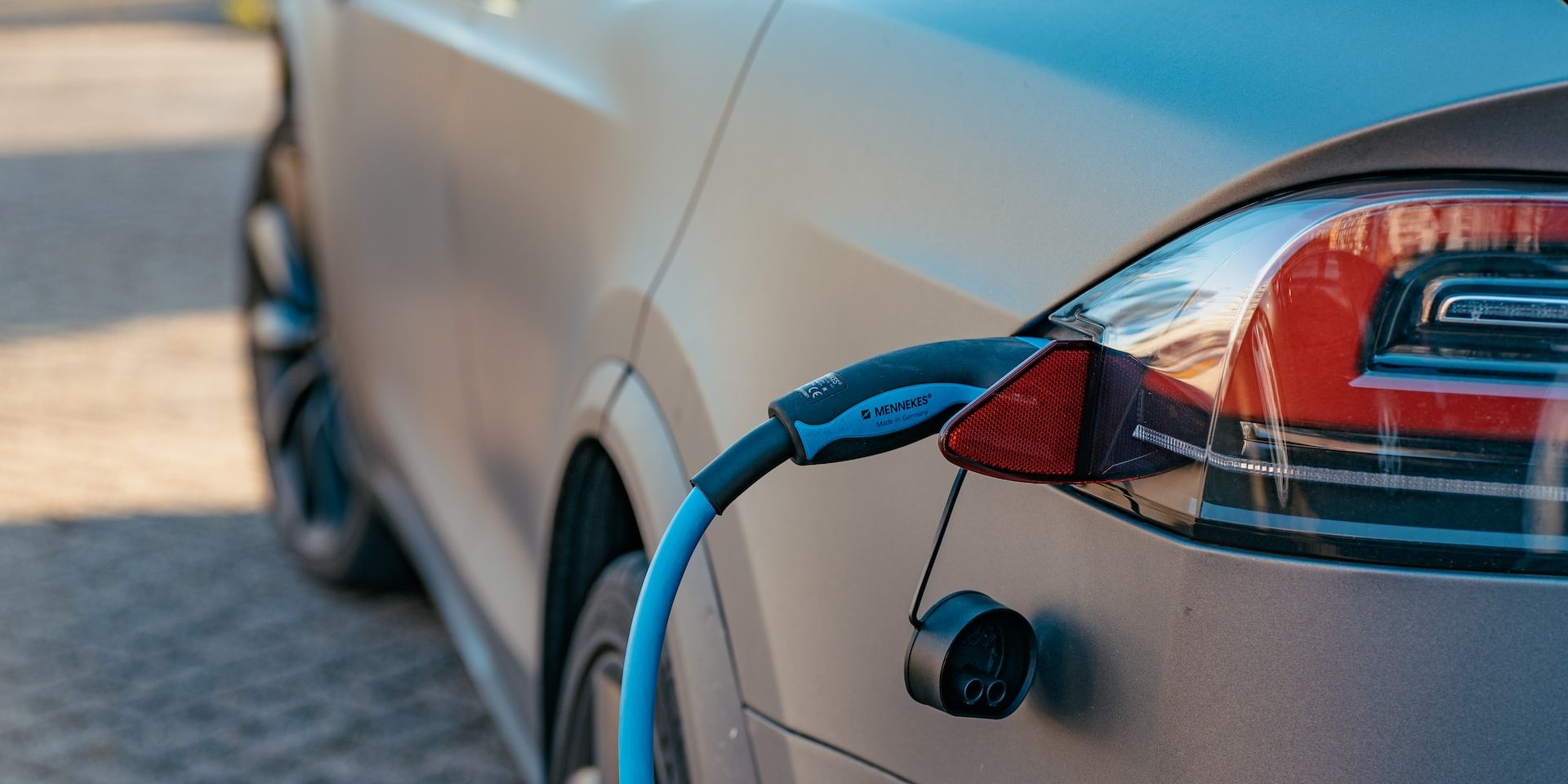
Independent Senator Rosa Galvez, pictured right test-driving an electric vehicle on Parliament Hill in 2017, introduced Bill S-243, the Climate-Aligned Finance Act, in March 2022. The Hill Times file photograph
An accelerated transformation to clean, renewably sourced energy is fundamental to our sustainable future.
Independent Senator Rosa Galvez, pictured right test-driving an electric vehicle on Parliament Hill in 2017, introduced Bill S-243, the Climate-Aligned Finance Act, in March 2022. The Hill Times file photograph
Canada needs credible and consistent policy to provide clarity and guidance to the financial sector for the biggest economic transformation we have seen since
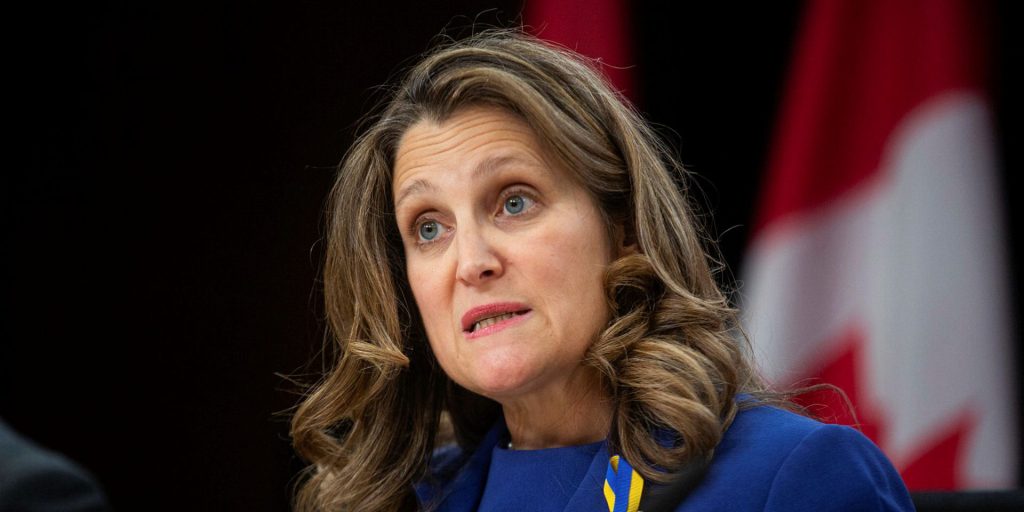
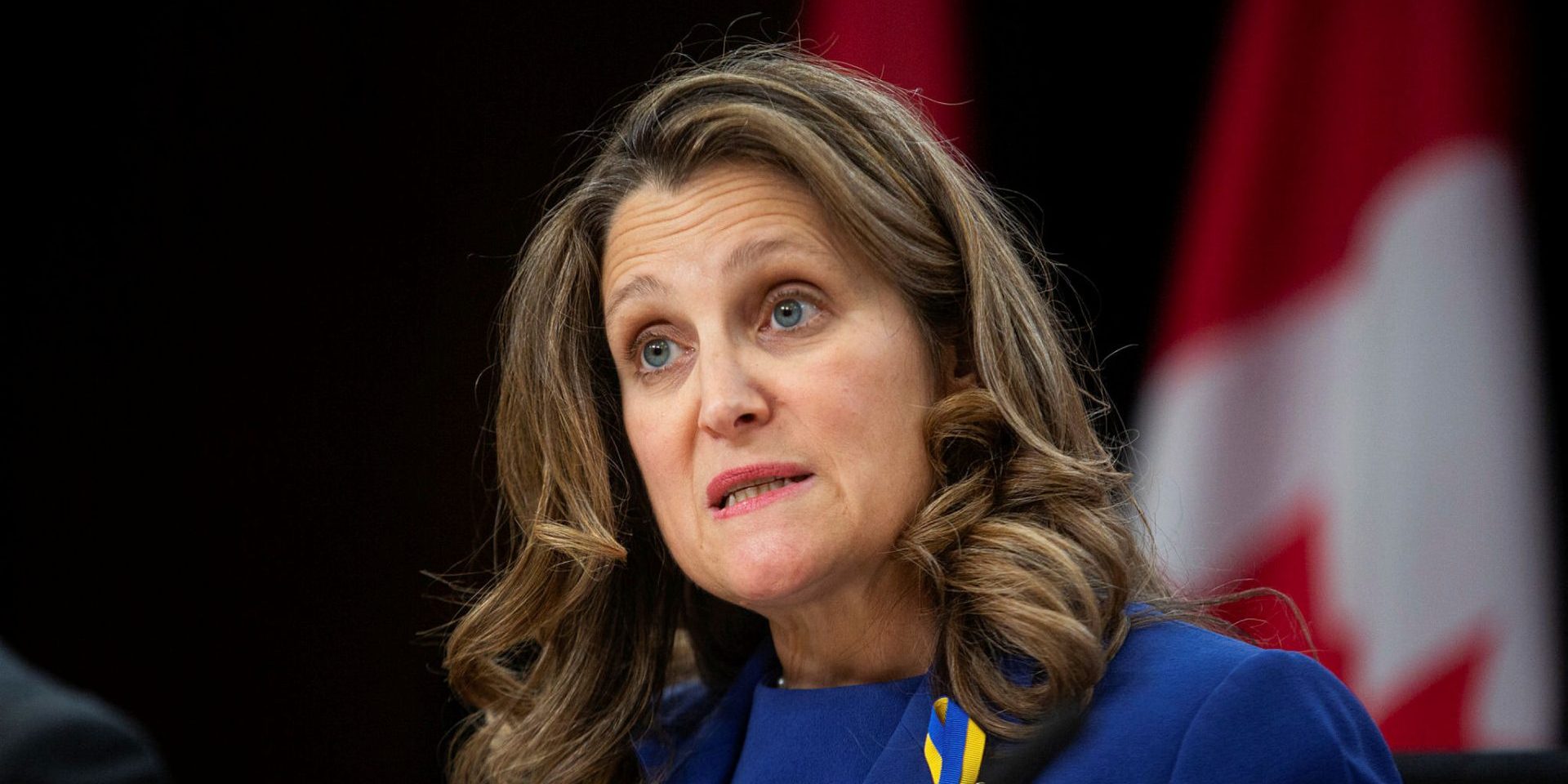
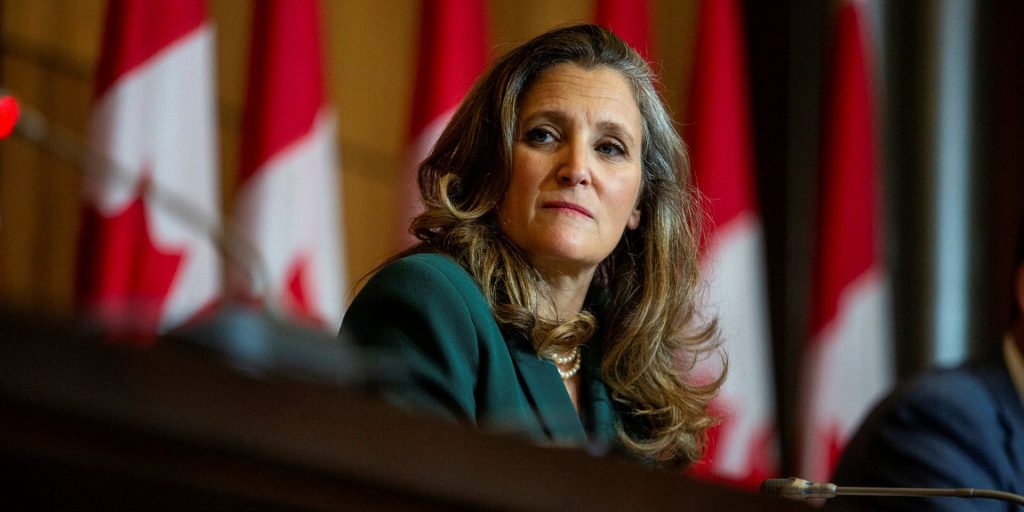
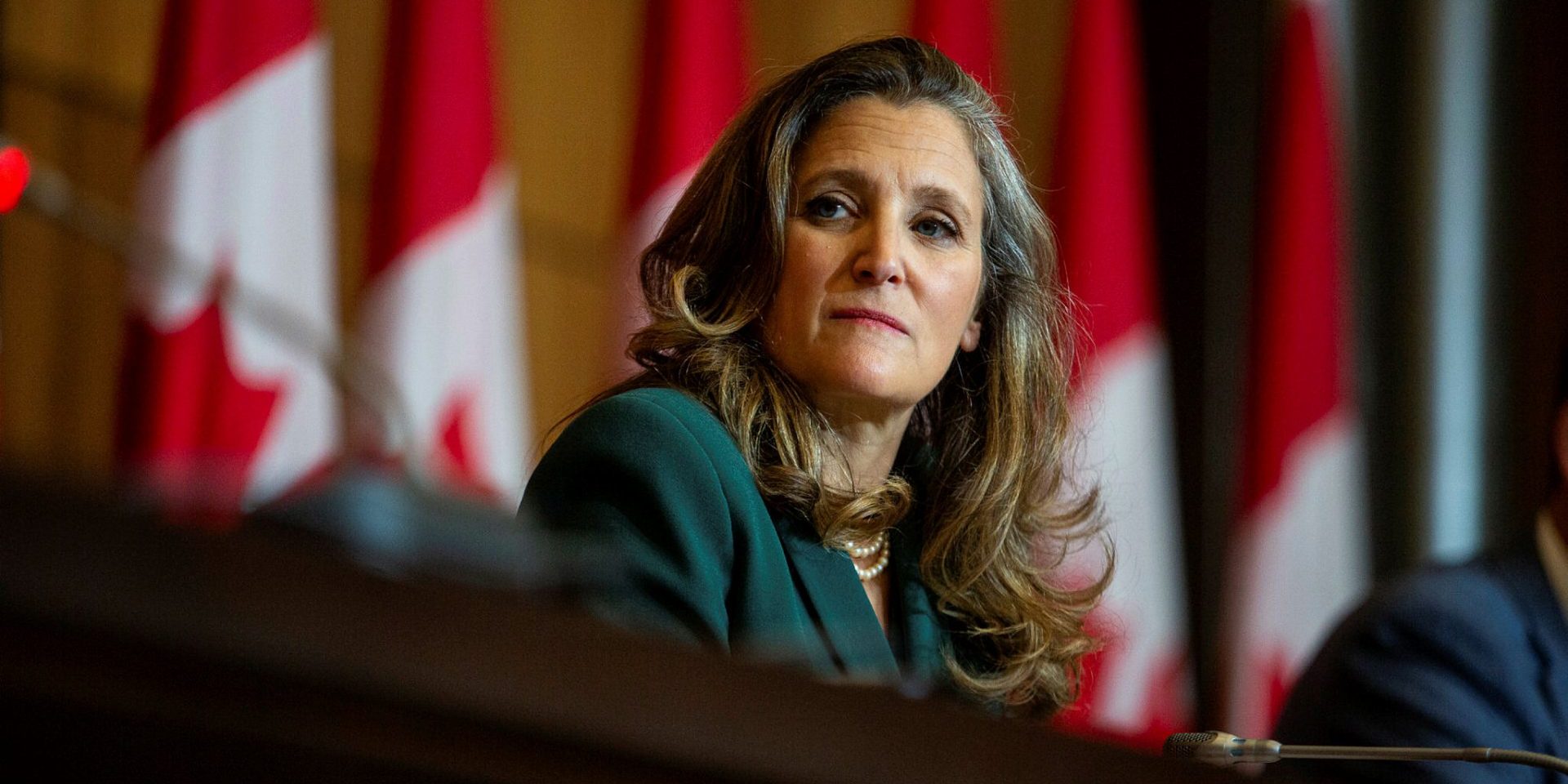
Finance Minister Chrystia Freeland released the federal government's 2023 Fall Economic Statement on Nov. 21, which stated 'Canada will develop options for making climate disclosures mandatory for private companies.' The Hill Times photograph by Andrew Meade
Canada needs credible and consistent policy to provide clarity and guidance to the financial sector for the biggest economic transformation we have seen since
Canada needs credible and consistent policy to provide clarity and guidance to the financial sector for the biggest economic transformation we have seen since
Finance Minister Chrystia Freeland released the federal government's 2023 Fall Economic Statement on Nov. 21, which stated 'Canada will develop options for making climate disclosures mandatory for private companies.' The Hill Times photograph by Andrew Meade
While there may be no singular solution for climate resilience, it is imperative for world leaders, climate advocates, and sustainability champions to call for
Finance Minister Chrystia Freeland speaks at Sept. 21 press conference in Ottawa. Adaptation finance is critical for helping communities adapt to climate hazards, but it won’t work if equal attention is not given to mitigation finance, writes Sen. Rosa Galvez. The Hill Times photograph by Andrew Meade
While there may be no singular solution for climate resilience, it is imperative for world leaders, climate advocates, and sustainability champions to call for
While there may be no singular solution for climate resilience, it is imperative for world leaders, climate advocates, and sustainability champions to call for
Finance Minister Chrystia Freeland speaks at Sept. 21 press conference in Ottawa. Adaptation finance is critical for helping communities adapt to climate hazards, but it won’t work if equal attention is not given to mitigation finance, writes Sen. Rosa Galvez. The Hill Times photograph by Andrew Meade
The famous 14: Lib MP Ryan Turnbull, top left, Lib Patrick Weller, NDP Alexandre Boulerice, Lib John Aldag, NDP Taylor Bachrach, Green Elizabeth May, Green Mike Morrice, Lib Nathaniel Erskine-Smith, BQ Jean-Denis Garon, NDP Richard Canning, Lib Jenica Atwin, NDP Daniel Blaikie, NDP Laurel Collins, and Lib Julie Dzerowicz. Photographs courtesy of the House of Commons
The cross-partisan MP support for CAFA is welcome news, mainly because it gives us hope that a new kind of politician is growing: the
The famous 14: Lib MP Ryan Turnbull, top left, Lib Patrick Weller, NDP Alexandre Boulerice, Lib John Aldag, NDP Taylor Bachrach, Green Elizabeth May, Green Mike Morrice, Lib Nathaniel Erskine-Smith, BQ Jean-Denis Garon, NDP Richard Canning, Lib Jenica Atwin, NDP Daniel Blaikie, NDP Laurel Collins, and Lib Julie Dzerowicz. Photographs courtesy of the House of Commons
Commissioner of the Environment and Sustainable Development Jerry DeMarco’s spring report on OSFI supervision of climate-related financial risks found the regulator is lagging behind in terms of timing and ambition of action, writes Sen. Rosa Galvez. The Hill Times photograph by Andrew Meade
If Canada is to meet its climate commitments, we must do more than require that financial institutions disclose the risks they face from a
Commissioner of the Environment and Sustainable Development Jerry DeMarco’s spring report on OSFI supervision of climate-related financial risks found the regulator is lagging behind in terms of timing and ambition of action, writes Sen. Rosa Galvez. The Hill Times photograph by Andrew Meade
The transition to zero-emission vehicles presents an obvious opportunity for economic growth in Canada while reducing our carbon footprint, but the government is short on time to enact all these measures, writes Sen. Rosa Galvez. Unsplash photograph by Ernest Ojeh
The goal of reducing emissions should not eclipse other environmental considerations that are just as important for nature and Canadians.
The transition to zero-emission vehicles presents an obvious opportunity for economic growth in Canada while reducing our carbon footprint, but the government is short on time to enact all these measures, writes Sen. Rosa Galvez. Unsplash photograph by Ernest Ojeh
United Nations Secretary-General António Guterres addresses the 15th meeting of the Conference of Parties to the Convention on Biological Diversity in Montreal on Dec. 6. As these discussions take place, Indigenous voices must be central to the conversation, writes Sen. Rosa Galvez. Photograph courtesy of United Nations Convention on Biological Diversity
At COP15 and beyond, we must take the lessons we’ve learned from our history to push for the most ambitious global biodiversity agreement that
United Nations Secretary-General António Guterres addresses the 15th meeting of the Conference of Parties to the Convention on Biological Diversity in Montreal on Dec. 6. As these discussions take place, Indigenous voices must be central to the conversation, writes Sen. Rosa Galvez. Photograph courtesy of United Nations Convention on Biological Diversity
As society and technology are decarbonizing in sync, financiers are falling behind while some politicians still argue about the efficiency of carbon pricing.
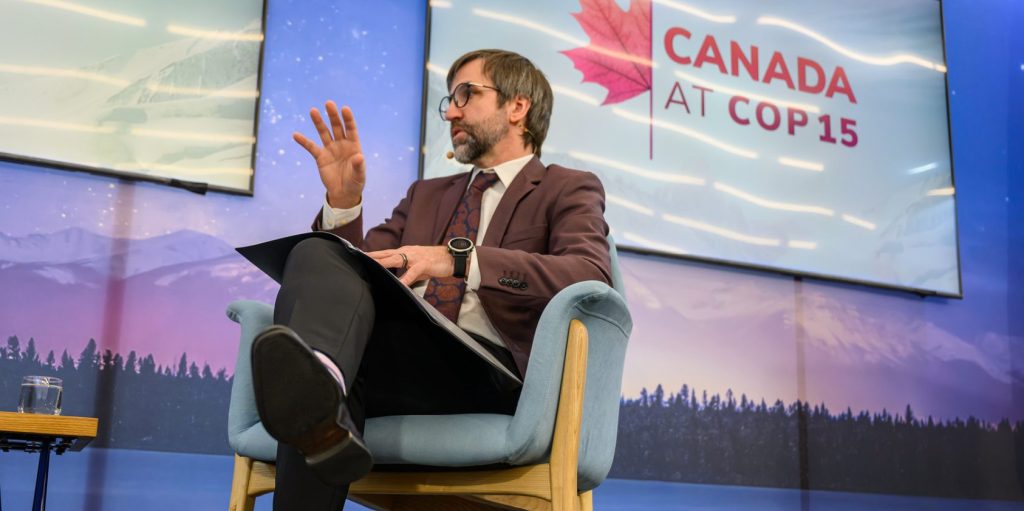
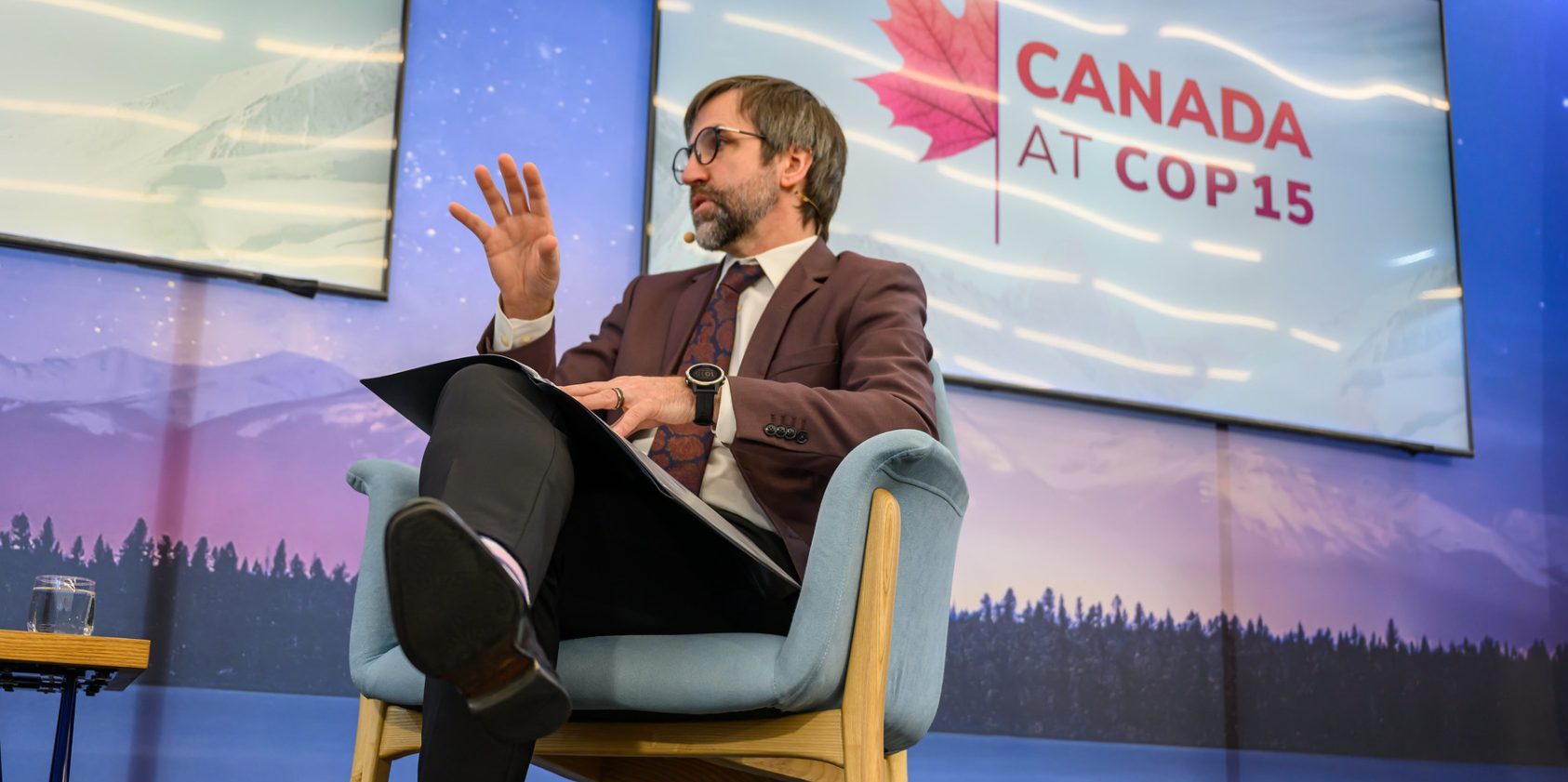
Canadians want to see the promised whole-of-government approach to the climate crisis, where Environment Minister Steven Guilbeault, left, Natural Resources Minister Jonathan Wilkinson, and Finance Minister Chrystia Freeland work in a co-ordinated and coherent manner that will result in real GHG emissions reduction, writes Sen. Rosa Galvez. The Hill Times photographs by Andrew Meade and Sam Garcia
As society and technology are decarbonizing in sync, financiers are falling behind while some politicians still argue about the efficiency of carbon pricing.
As society and technology are decarbonizing in sync, financiers are falling behind while some politicians still argue about the efficiency of carbon pricing.
Canadians want to see the promised whole-of-government approach to the climate crisis, where Environment Minister Steven Guilbeault, left, Natural Resources Minister Jonathan Wilkinson, and Finance Minister Chrystia Freeland work in a co-ordinated and coherent manner that will result in real GHG emissions reduction, writes Sen. Rosa Galvez. The Hill Times photographs by Andrew Meade and Sam Garcia
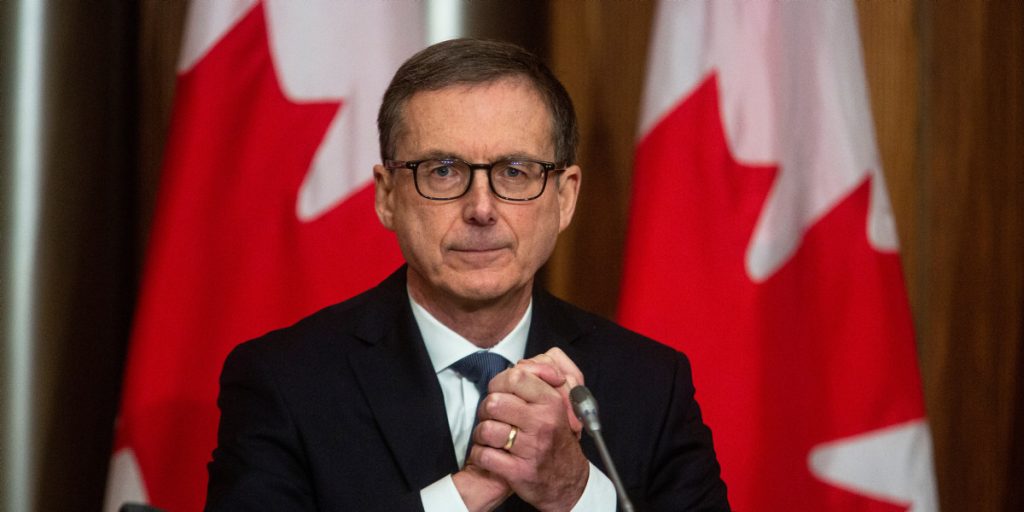
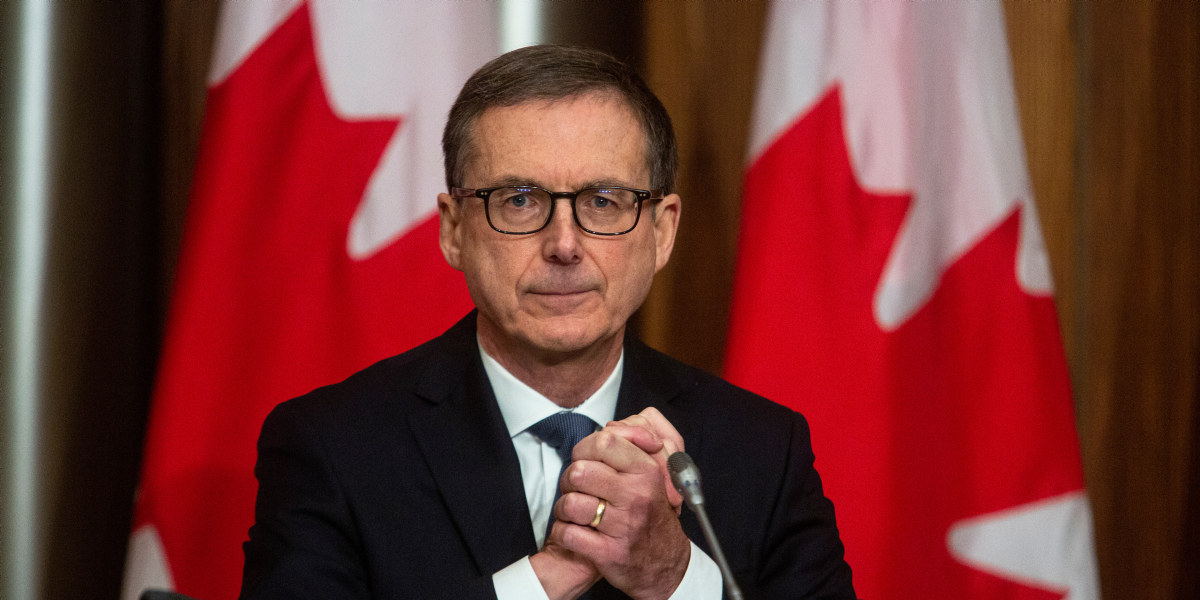
Bank of Canada Governor Tiff Macklem is pictured in Ottawa on Dec. 13, 2021. A Bank of Canada and Superintendent of Financial Institutions report recognizes that climate change looms as a potentially large structural change affecting our economy and financial system but remains silent on the other half of the problem: our current financial system fuels the climate crisis, writes Sen. Rosa Galvez. The Hill Times photograph by Andrew Meade
Our way of life has pushed the current system to its limits. The global demand for material resources is expected to double by 2060,
Bank of Canada Governor Tiff Macklem is pictured in Ottawa on Dec. 13, 2021. A Bank of Canada and Superintendent of Financial Institutions report recognizes that climate change looms as a potentially large structural change affecting our economy and financial system but remains silent on the other half of the problem: our current financial system fuels the climate crisis, writes Sen. Rosa Galvez. The Hill Times photograph by Andrew Meade
Finance was one of the main themes of COP26. Most notable was Mark Carney’s announcement of the Glasgow Financial Alliance for Net Zero (GFANZ) commitment
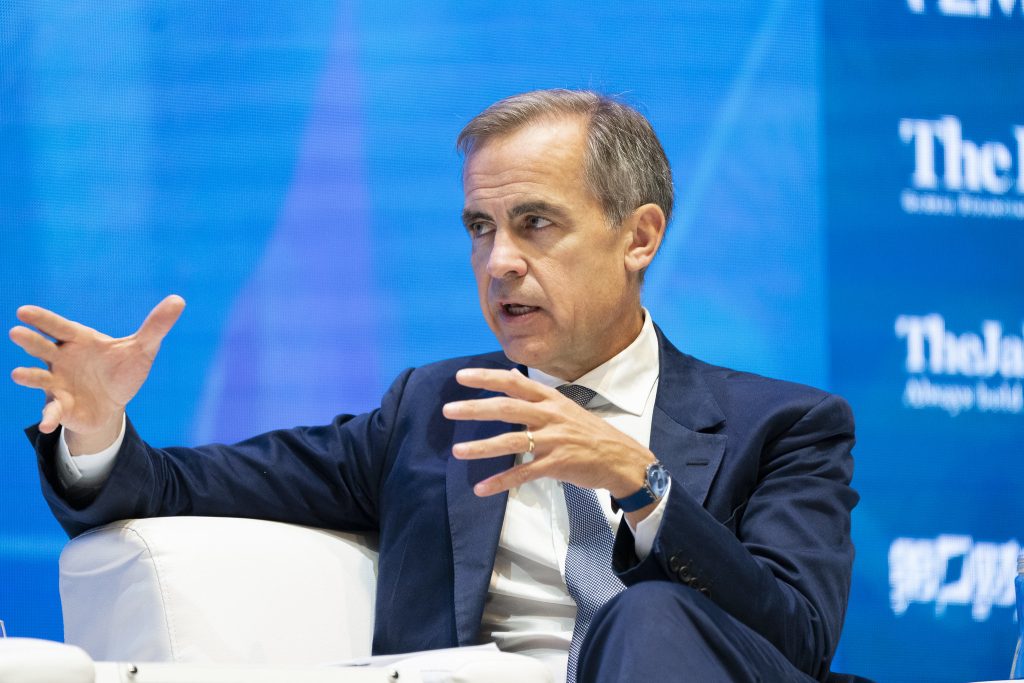
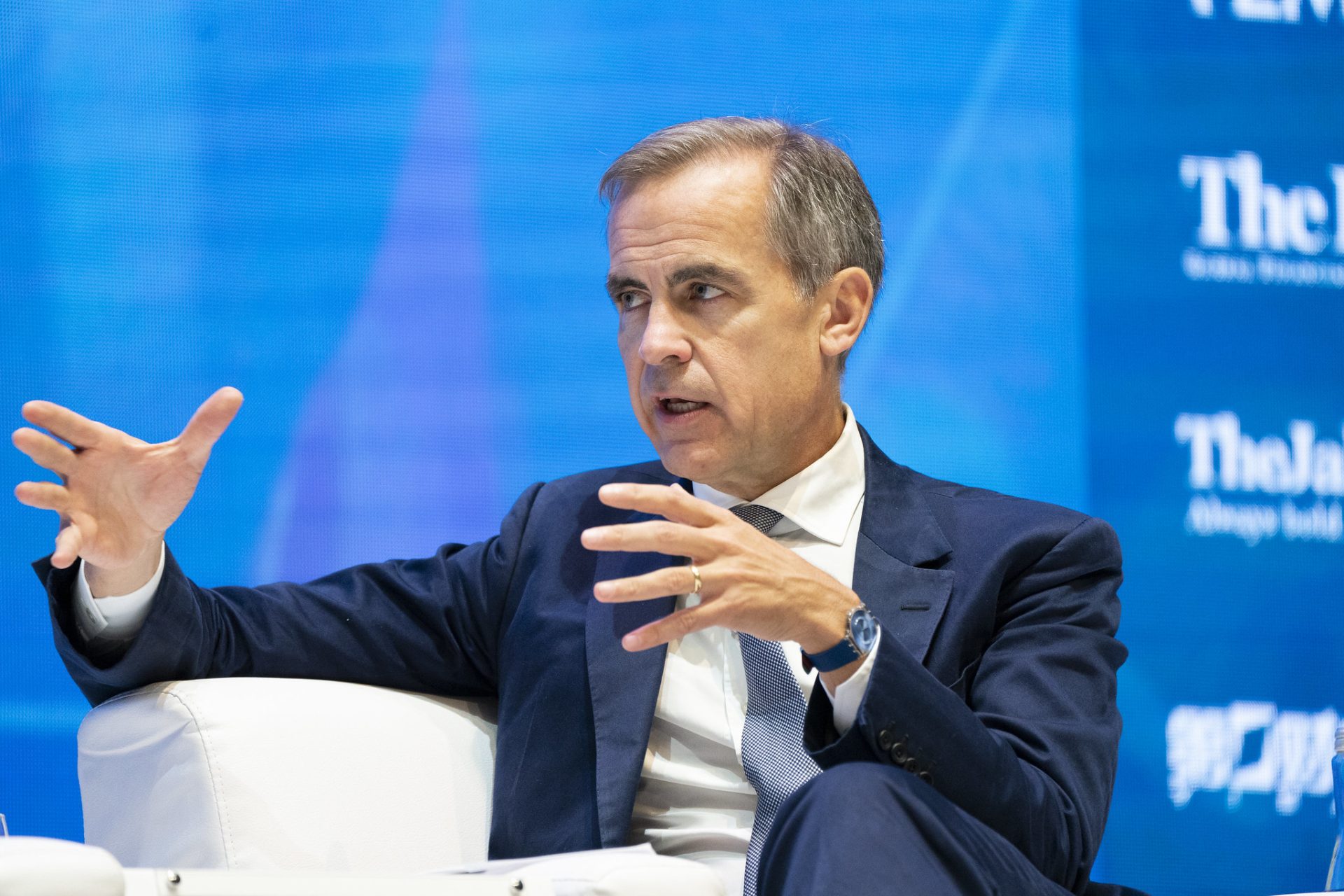
Mark Carney’s announcement of the more than $130-trillion commitment from the Glasgow Financial Alliance for Net Zero at COP26 was notable, but ensuring these hopeful commitments have a real impact requires legislators and regulators to start fixing the wonky plumbing of the financial world, writes Sen. Rosa Galvez. IMF photograph by Ryan Rayburn
Finance was one of the main themes of COP26. Most notable was Mark Carney’s announcement of the Glasgow Financial Alliance for Net Zero (GFANZ) commitment
Finance was one of the main themes of COP26. Most notable was Mark Carney’s announcement of the Glasgow Financial Alliance for Net Zero (GFANZ) commitment
Mark Carney’s announcement of the more than $130-trillion commitment from the Glasgow Financial Alliance for Net Zero at COP26 was notable, but ensuring these hopeful commitments have a real impact requires legislators and regulators to start fixing the wonky plumbing of the financial world, writes Sen. Rosa Galvez. IMF photograph by Ryan Rayburn
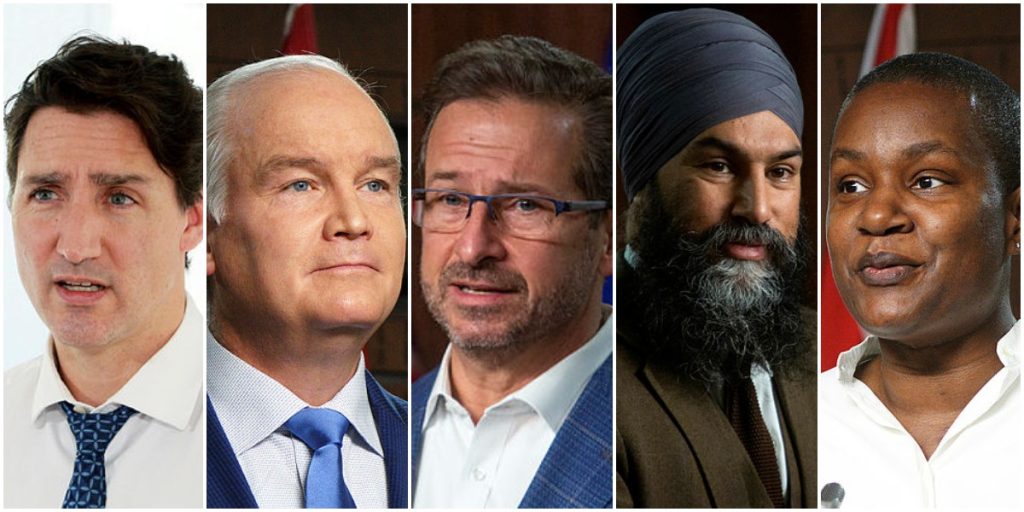
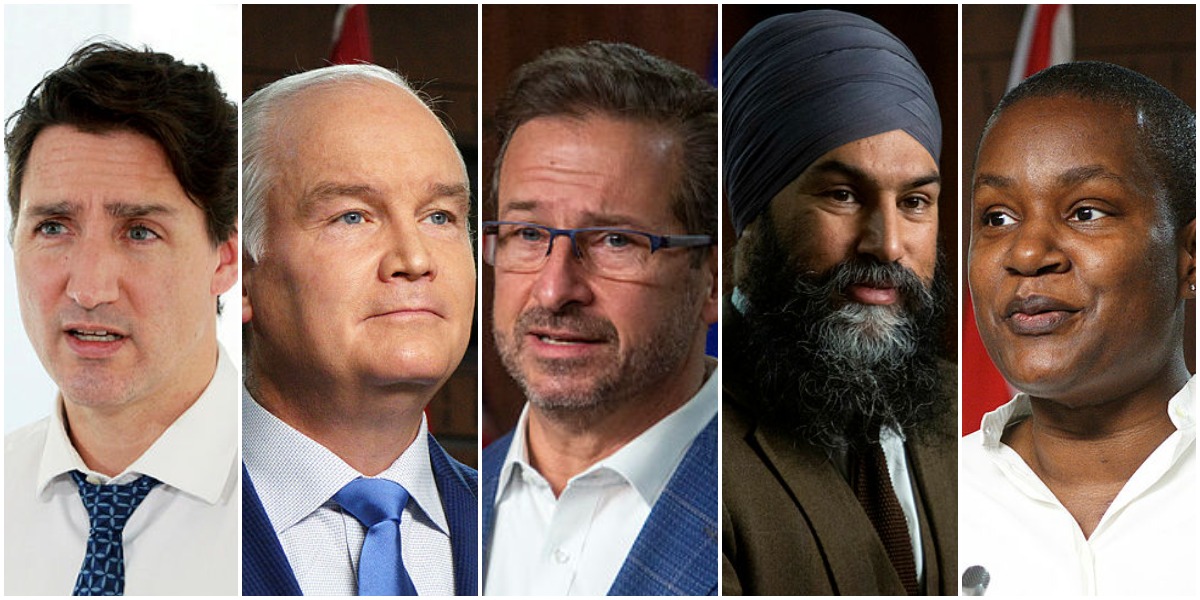
With a looming federal election, politicians are touring Canada this summer, including Liberal Prime Minister Justin Trudeau, left, Conservative Leader Erin O’Toole, Bloc Québécois Leader Yves-François Blanchet, NDP Leader Jagmeet Singh, and Green Party Leader Annamie Paul. Let us demand that political platforms describe in detail the goals and means to bring government to a bolder, fairer, more efficient, more dynamic, and more proactive role, writes Sen. Rosa Galvez. The Hill Times photographs by Sam Garcia and Andrew Meade
To many of us, it might seem like an eternity has passed since the World Health Organization announced in January 2020 the appearance of a mysterious
With a looming federal election, politicians are touring Canada this summer, including Liberal Prime Minister Justin Trudeau, left, Conservative Leader Erin O’Toole, Bloc Québécois Leader Yves-François Blanchet, NDP Leader Jagmeet Singh, and Green Party Leader Annamie Paul. Let us demand that political platforms describe in detail the goals and means to bring government to a bolder, fairer, more efficient, more dynamic, and more proactive role, writes Sen. Rosa Galvez. The Hill Times photographs by Sam Garcia and Andrew Meade
To be competitive in today's vaccine development, we need to be capable of producing mRNA, DNA-based, vectored-based, and protein-based vaccines and promote novel vaccination strategies, write Sen. Rosa Galvez, Gary Kobinger, and Jacques Corbeil. Photograph courtesy of Pexels
The COVID-19 pandemic has shown us how ruefully unprepared we were. However, we must forgo the blame game. We must make sure we learned
To be competitive in today's vaccine development, we need to be capable of producing mRNA, DNA-based, vectored-based, and protein-based vaccines and promote novel vaccination strategies, write Sen. Rosa Galvez, Gary Kobinger, and Jacques Corbeil. Photograph courtesy of Pexels
Since the Intergovernmental Panel on Climate Change’s special report, which stated that to limit the global temperature increase to 1.5 C global emissions would
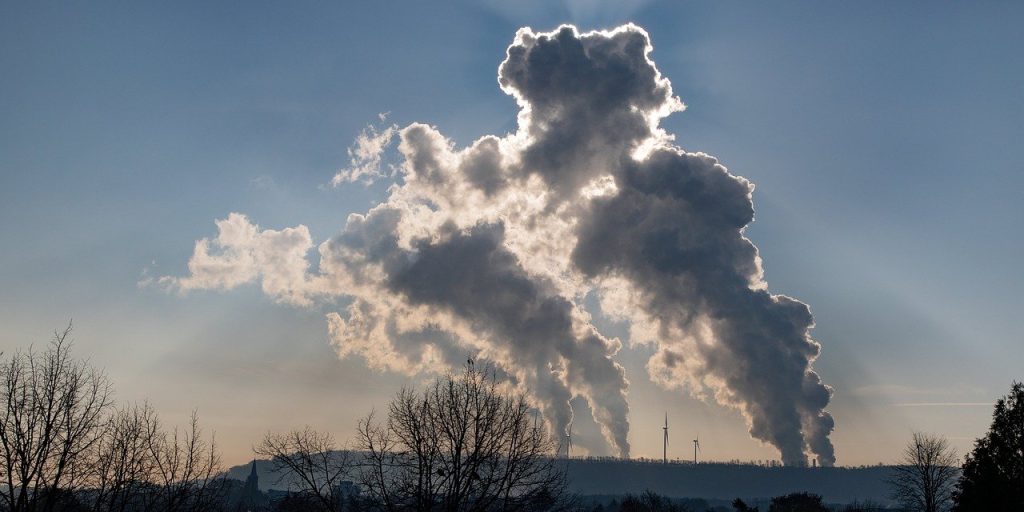
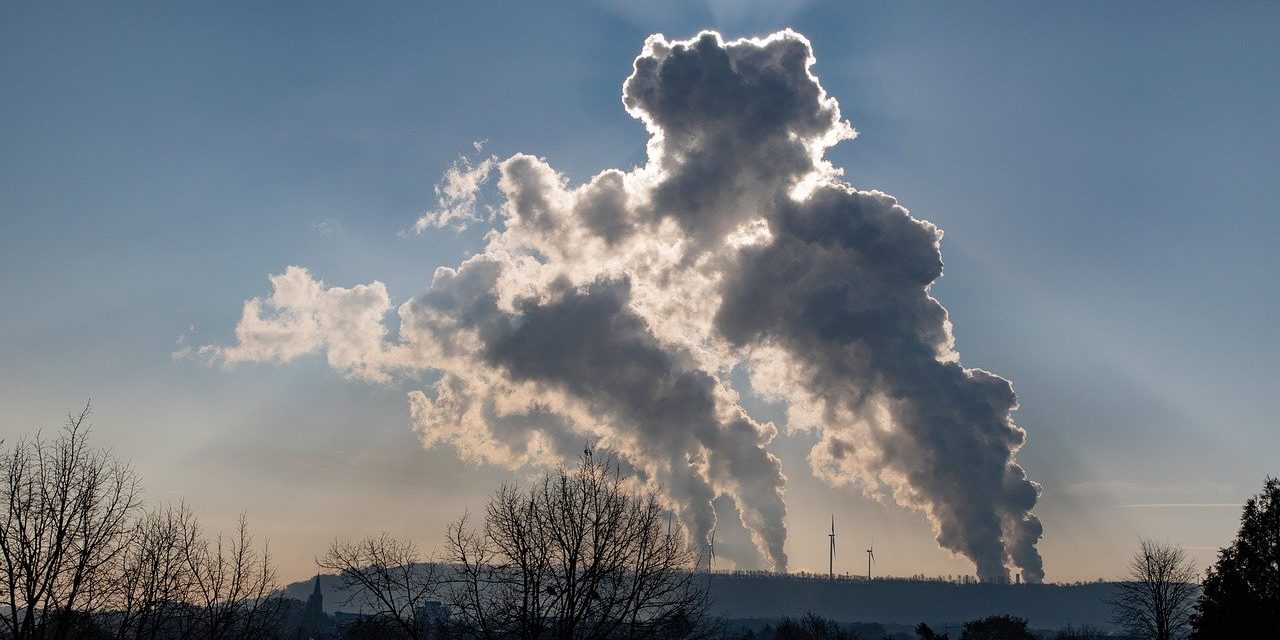
Global net zero means all human-induced emissions are absorbed by human-induced sinks, which means it can be achieved through eliminating or reducing emissions at the source and/or absorbing emissions. Photograph courtesy of Pixabay
Since the Intergovernmental Panel on Climate Change’s special report, which stated that to limit the global temperature increase to 1.5 C global emissions would
Since the Intergovernmental Panel on Climate Change’s special report, which stated that to limit the global temperature increase to 1.5 C global emissions would
Global net zero means all human-induced emissions are absorbed by human-induced sinks, which means it can be achieved through eliminating or reducing emissions at the source and/or absorbing emissions. Photograph courtesy of Pixabay
Natural Resources Minister Seamus O'Regan defended his department's work on long-overdue offshore safety regulations, telling a committee of Senators on Feb. 9 that policymakers in his department needed enough time to get them right. The Hill Times photograph by Andrew Meade
In the shadow of Bill C-7 on medical assistance in dying, the Senate passed another important bill. Bill S-3, An Act to amend the
Natural Resources Minister Seamus O'Regan defended his department's work on long-overdue offshore safety regulations, telling a committee of Senators on Feb. 9 that policymakers in his department needed enough time to get them right. The Hill Times photograph by Andrew Meade
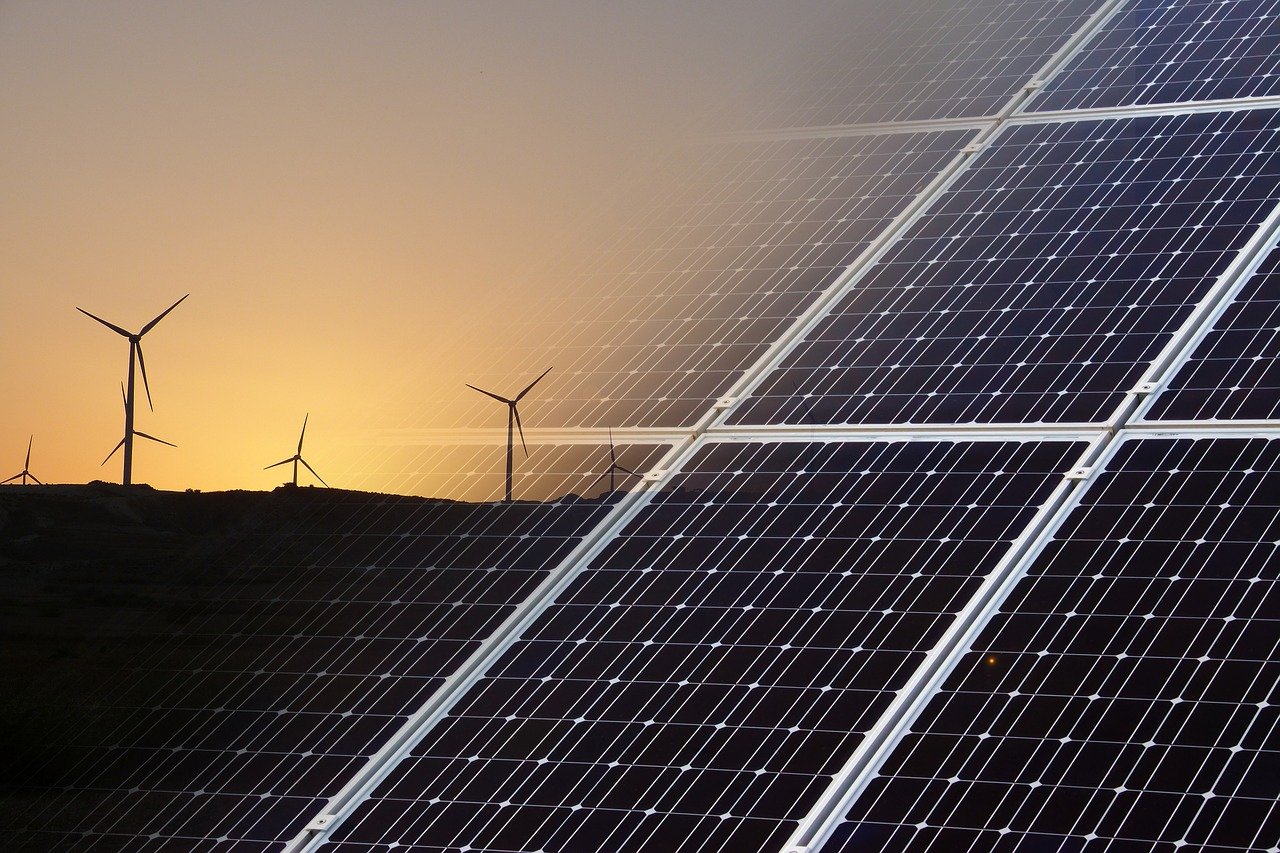
Together, solar and wind power generation have doubled their share of the global power mix in only the last five years, writes Sen. Rosa Galvez. Photograph courtesy of Pixabay
There is a clear and urgent need to hasten the transition to a low-carbon economy. Indeed, the transition we sorely needed over the past
Together, solar and wind power generation have doubled their share of the global power mix in only the last five years, writes Sen. Rosa Galvez. Photograph courtesy of Pixabay
Earlier this month, it was announced that $10-billion of the Canada Infrastructure Bank’s (CIB) $35-billion budget would be assigned to create jobs and grow
Protesters gather for an anti-climate change rally on Parliament Hill on Sept. 27, 2019. The CIB and other federal vehicles financing the recovery must adopt a rigorous and practical climate test which minimally includes the requirement to have a plan to reach net-zero emissions by latest 2050, writes Sen. Rosa Galvez. The Hill Times photograph by Sam Garcia
Earlier this month, it was announced that $10-billion of the Canada Infrastructure Bank’s (CIB) $35-billion budget would be assigned to create jobs and grow
Earlier this month, it was announced that $10-billion of the Canada Infrastructure Bank’s (CIB) $35-billion budget would be assigned to create jobs and grow
Protesters gather for an anti-climate change rally on Parliament Hill on Sept. 27, 2019. The CIB and other federal vehicles financing the recovery must adopt a rigorous and practical climate test which minimally includes the requirement to have a plan to reach net-zero emissions by latest 2050, writes Sen. Rosa Galvez. The Hill Times photograph by Sam Garcia
Environment Minister Jonathan Wilkinson, pictured on West Block. Ottawa has started putting requirements on climate-risk disclosure and plans to reach climate goals in some of its COVID financing and focused a specific oil and gas program on environmental remediation to maintain employment, writes Independent Senator Rosa Galvez. The Hill Times photograph by Andrew Meade
Relegated to a mere “externality” of our globalized economy for decades, nature has made a stark eruption to remind us of its importance on
Environment Minister Jonathan Wilkinson, pictured on West Block. Ottawa has started putting requirements on climate-risk disclosure and plans to reach climate goals in some of its COVID financing and focused a specific oil and gas program on environmental remediation to maintain employment, writes Independent Senator Rosa Galvez. The Hill Times photograph by Andrew Meade
Canadians want renewable energy. A public opinion poll conducted for the David Suzuki Foundation found that 86 per cent of Canadians are concerned about
Canadians want renewable energy. A public opinion poll conducted for the David Suzuki Foundation found that 86 per cent of Canadians are concerned about
Canadians want renewable energy. A public opinion poll conducted for the David Suzuki Foundation found that 86 per cent of Canadians are concerned about
Canada under Prime Minister Justin Trudeau has the opportunity to lead by example to take concrete action against single-use plastics, writes Independent Senator Rosa Galvez. The Hill Times photograph by Andrew Meade
Last week was Canadian Environment Week, a time to reflect on humanity’s impact on the natural world and what individuals can do to preserve
Canada under Prime Minister Justin Trudeau has the opportunity to lead by example to take concrete action against single-use plastics, writes Independent Senator Rosa Galvez. The Hill Times photograph by Andrew Meade
The impact of human activity on Earth’s atmosphere, landscapes, and oceans is so profound that some scientists recognize a new epoch of man-made change—the
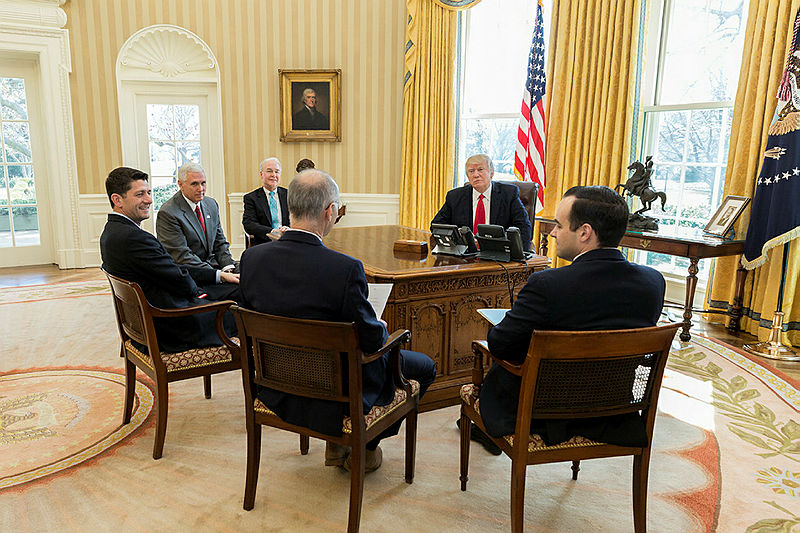
President Donald Trump during a meeting with some of the country's top politicians and public officials in the Oval office in March. Mr. Trump has decided to pull the United States out the international Paris climate agreement. Photograph by Benjamin Applebaum courtesy of the White House
The impact of human activity on Earth’s atmosphere, landscapes, and oceans is so profound that some scientists recognize a new epoch of man-made change—the
The impact of human activity on Earth’s atmosphere, landscapes, and oceans is so profound that some scientists recognize a new epoch of man-made change—the
President Donald Trump during a meeting with some of the country's top politicians and public officials in the Oval office in March. Mr. Trump has decided to pull the United States out the international Paris climate agreement. Photograph by Benjamin Applebaum courtesy of the White House