
No one living in Canada should lose a child because of measles — eradicated in this country more than 25 years ago. However, as anyone watching the news knows, Canada has lost its elimination status because of ongoing measles outbreaks in part due to falling vaccination rates, putting lives at risk.
Vaccine hesitancy has increased because of another deadly virus: online false health information. As a medical oncologist, I have also cared for cancer patients misled by claims of miracle cures.
Misinformation does not exist in a vacuum. It’s able to spread more easily due to the existing gaps in our health care system. When patients don’t have access to reliable and timely care, they search for answers elsewhere, out of necessity. With the rise of AI, it’s becoming harder for all of us — patients and providers alike — to differentiate between what’s real and what’s not. Recent policies under the Trump administration have further exacerbated the problem, diminishing the United States’ standing as a reliable global health authority.
For the past three years, the Canadian Medical Association (CMA) has partnered with Abacus Data to monitor an increasingly dangerous information environment. The Health and Media Annual Tracking Survey sheds light on the prevalence of false health information in Canada and its impact.
In 2025, the survey found that 62% of respondents have encountered health information that later proved to be false or misleading, an 8% jump from the previous year. Alarmingly, it also showed that 43% of respondents were highly susceptible to believing misinformation, while another 35% were moderately susceptible.
Most worryingly, almost one in four respondents (23%) reported negative health consequences after following online health advice.
While the problem is widespread, there is also some encouraging news: 80% of survey respondents indicated that doctors are among the most trusted sources for health information. This trust is a powerful foundation on which we can build a better information environment.
On Feb. 10, I encourage you to join the CMA online or in person for the release of our 2026 survey results. The Empire Club of Canada event at the Chateau Laurier will bring together health leaders including Dr. Tom Frieden, former director of the U.S. Centers for Disease Control and Prevention and founder and CEO of Resolve to Save Lives, OBGYN and author Dr. Jen Gunter, CEO of Abacus Data David Coletto and Managing Director of the Canadian SHIELD Institute Vass Bednar. Join us to talk about how we can protect our information environment and the health of everyone in Canada.
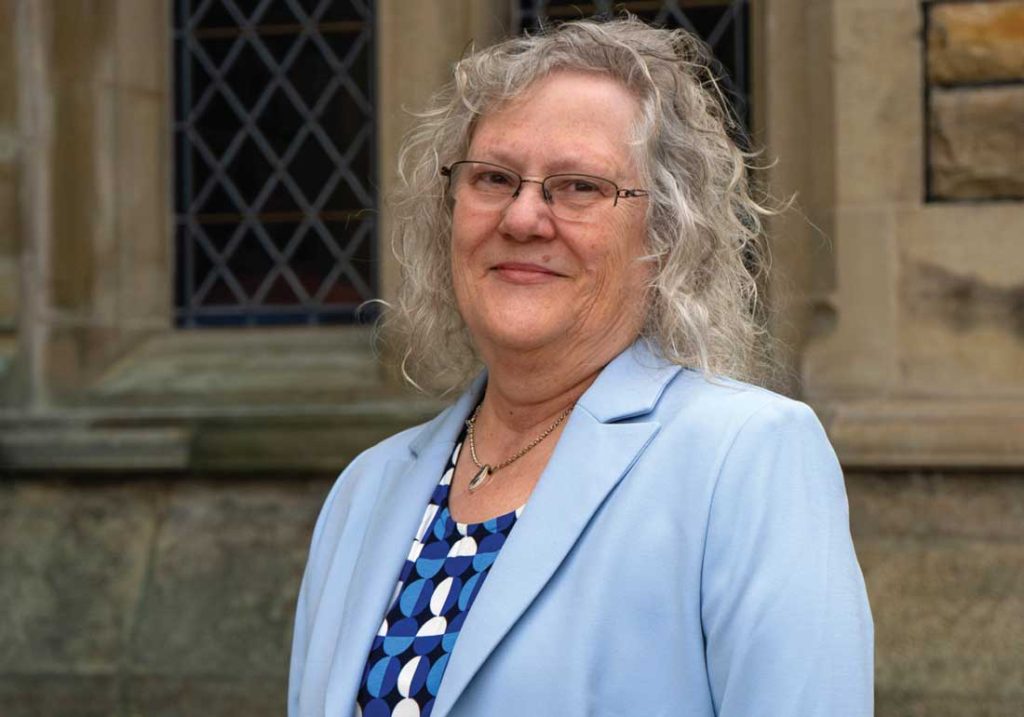
The annual Health and Media Tracking Survey is just one of the ways the CMA is committed to fighting false health information. Since 2022, the CMA has funded three reporting positions at The Canadian Press/La Presse Canadienne focused on health and health care. The CMA collaborated with The Canadian Journalism Foundation to establish a multi-year fellowship for Indigenous journalists, aimed at fostering expert reporting on health issues affecting Indigenous communities in Canada.
The CMA is also demystifying health care and debunking false information with Healthcare for Real. It’s a health content project designed for the next generation featuring innovative video and writing about the health system, doctors and how Canadians can help us fight misinformation.
There is clearly an appetite for evidence-backed resources: our YouTube channel has already reached more than 50,000 subscribers.
We work to amplify trusted physician voices through the CMA Media Network as well, which brings together doctors who share a passion for social media advocacy, including fighting false information.
Equally important, the CMA continues to fight for long-term sustainable solutions to strengthen our health care system through investment in team-based primary care, greater mobility for physicians to work where they’re needed most across Canada and improving how health data is collected and shared.
Combating health misinformation will take a collective effort from all levels of government, media, technology platforms and the public. Ensuring access to reliable and evidence-based health information is essential to protect both individual patients and the integrity of our health care system.
I know we can do it. Before measles was eliminated in Canada, it infected tens of thousands of people every year. Together, we can counter the spread of misinformation and safeguard our health and health system.