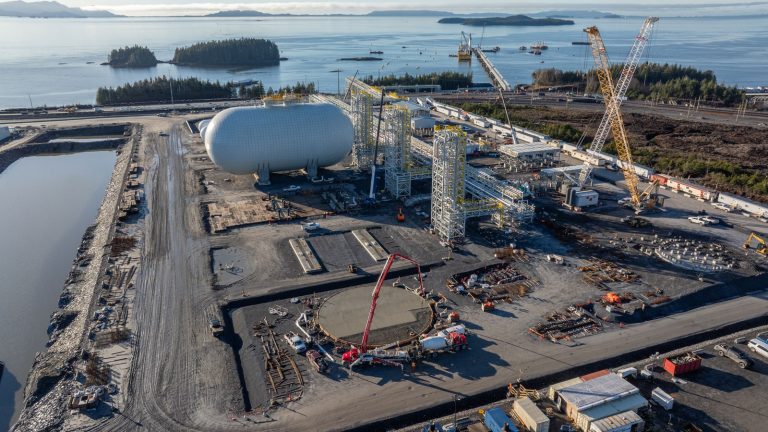
While debates over oil pipelines dominate headlines, a quiet export success is already unfolding on B.C.’s coast and it just might be the blueprint Canada needs to compete globally.
Canada has long wrestled with how to get its energy to global markets. While pipeline debates rage on and major infrastructure projects slowly advance or stall, a different kind of Canadian energy success story is taking shape, and it’s one that offers valuable lessons for others to follow.
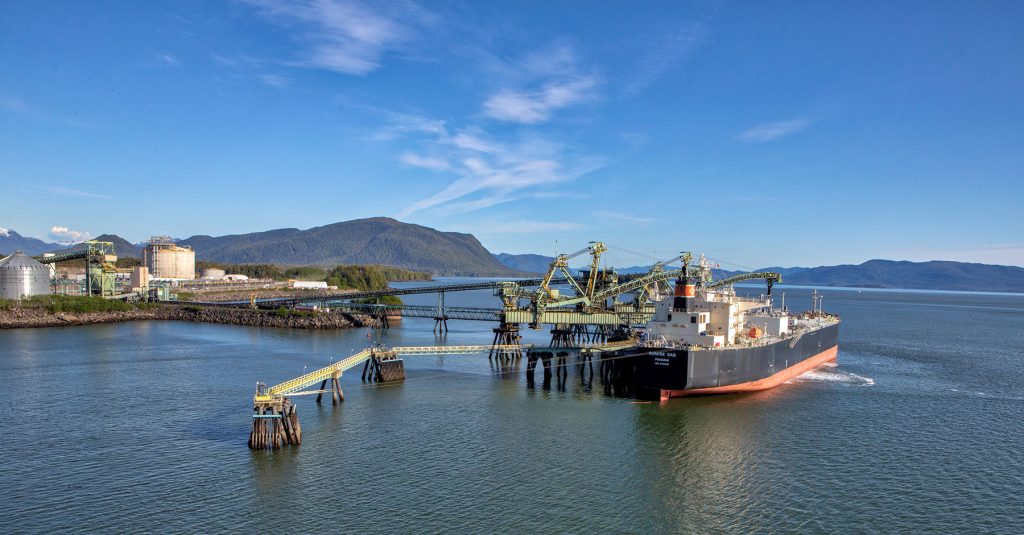
At AltaGas, working with our joint venture partner Vopak, we made what didn’t exist a reality, connecting Canadian propane to Asian markets via the Port of Prince Rupert. Until 2019, the only export market available to Canadian propane was the United States. Now, last year AltaGas supplied 8 per cent of China’s total propane imports since tariffs came into place in April, 14 per cent of South Korea’s Liquified Petroleum Gas (LPG) imports and 11 per cent of Japan’s LPG imports. That’s a lot of market share in a short time, because we connected gas processing facilities in Alberta and B.C. by rail to the Ridley Island Export Terminal (RIPET) at the Port of Prince Rupert.
Our shipments to China began last year, and in a few short months we have our market share significantly, underscoring the speed at which the Prince Rupert terminal is opening new global markets.
What we’ve built, and continue to build, is a modern export playbook grounded in four essential elements.
Sell something the world wants:
Global demand is shifting, especially in fast-growing regions where countries are seeking cleaner, more efficient, more secure and reliable products to support their energy transitions and economic growth. The market opportunity is clear. The challenge is delivering what the world wants, when and where it needs it. In Asia, propane is generally used for home heating, cooking, transportation and industrial uses, where it often displaces higher-emitting energy sources. Propane is also increasingly being used as a building block for recyclable plastic. Demand is expected to keep rising, with propane and butane (which make up LPG) imports into Asia projected to grow 40-50 per cent by 2040.
Invest in infrastructure to reach tidewater:
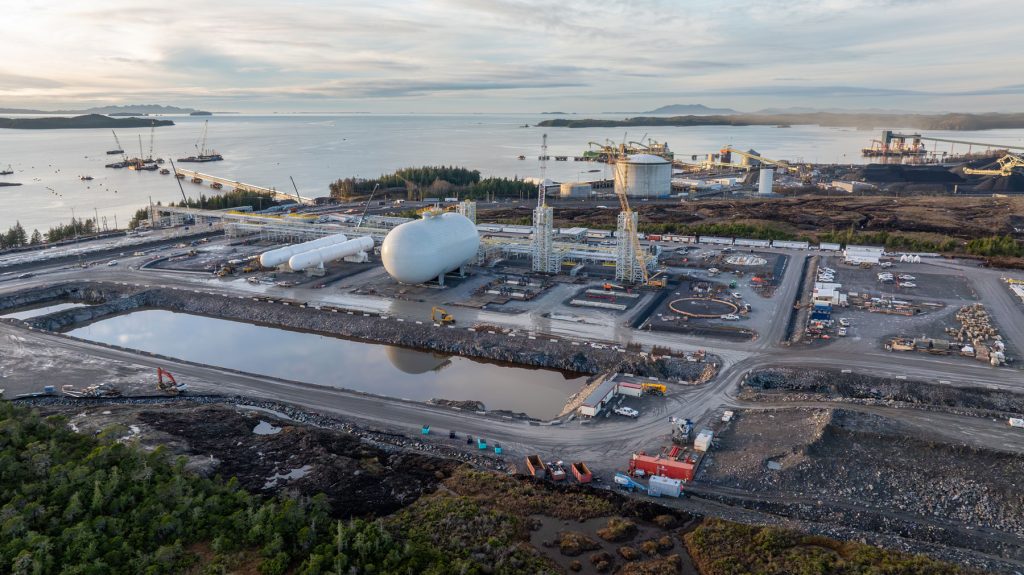
Without direct pipeline access to the West Coast, we leveraged Canada’s nimble rail network and partnered with CN to transport product safely and efficiently to Prince Rupert. There, we developed RIPET, the first of its kind in Canada, capable of handling over 1.2 million tonnes annually for shipment across the Pacific. In 2024, alongside Vopak, we announced the Ridley Island Energy Export Facility, or REEF. An initial investment of $1.35 billion, with an opportunity for future phases and future significant investments. REEF is a critical multi-phase project that will connect more of our LPG to global markets. Phase 1 of REEF will be operational in 2027; the project is the culmination of years of collaboration with Indigenous and local communities, as well as federal and provincial regulators.
Establish a framework that enables investment:
No investment is without risk and, before 2019, no terminal existed in Prince Rupert to export propane. The Port provided a framework for regulatory certainty that attracted new investment and has led to the opening of the Asian market for Canadian suppliers. This step was essential in providing the confidence to make a major investment and it’s clear the benefits are substantial.
AltaGas and Vopak have invested over a billion dollars, created hundreds of jobs and returned considerable tax revenues to governments. We are also actively collaborating with Indigenous communities and have committed significant spend through Indigenous-owned or affiliated partners, reinforcing our commitment to reconciliation and inclusive economic growth. On REEF, Indigenous owned and affiliated businesses have benefited from approximately $350 million in awarded contracts and services.
Work with the right partners, both here and abroad
Projects of this scale do not succeed alone. We’ve collaborated closely with shippers and suppliers, First Nations, local communities, CN, the Prince Rupert Port Authority, and international buyers in Asia to build lasting partnerships. Genuine alignment drives real opportunity and delivers long-term, stable returns. Diversifying our economy takes foresight, certainty from government, certainty with investors, relationships with communities – it’s not easy, but it can be done.
AltaGas’s success with LPG exports isn’t just a success story; it’s a roadmap for Canada’s energy future and a blueprint for how other resource sectors can succeed. By leveraging our abundant natural assets, investing in infrastructure, building strong partnerships, and a framework that enables investment, Canada can build a competitive and resilient presence on the world stage.

Vern Yu
President and CEO
AltaGas